Visa's Stablecoin Gambit: 5 New Blockchains Boost Settlements Past $7B
Visa just added five more blockchains to its stablecoin settlement party. The party's getting big, with $7 billion running through it annually.


Brazil just slammed the door shut on stablecoins and crypto for cross-border payments. The central bank's move signals a clear regulatory stance, but what's the real architecture behind this decision?
The line between a customer's thought and a completed transaction is dissolving. Agentic commerce, powered by AI, is rewriting the rules of payments.
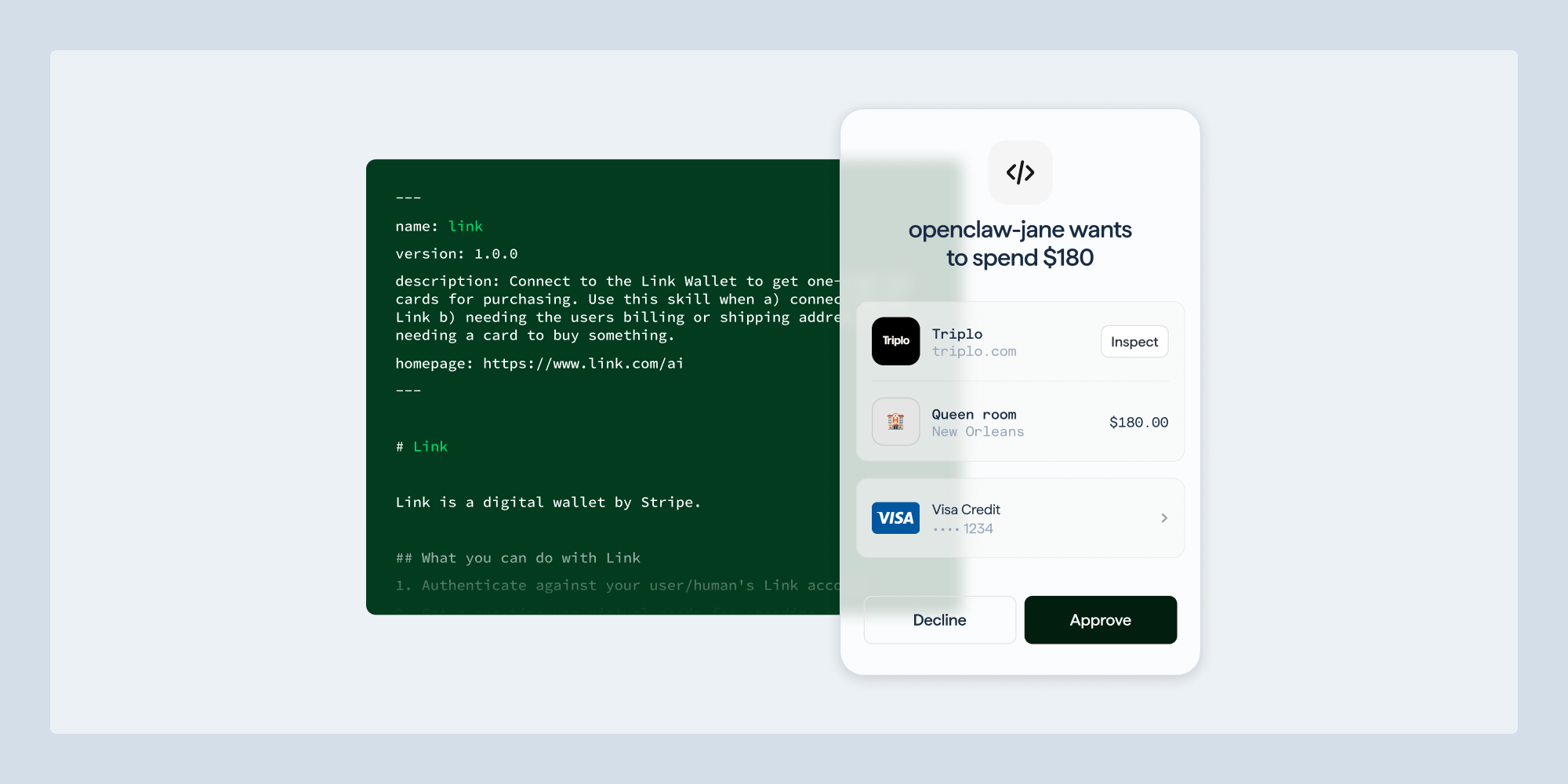
The era of AI agents making purchases is here. Link and Stripe's new integration empowers AI to engage directly with the internet economy, a significant shift for consumers and businesses alike.
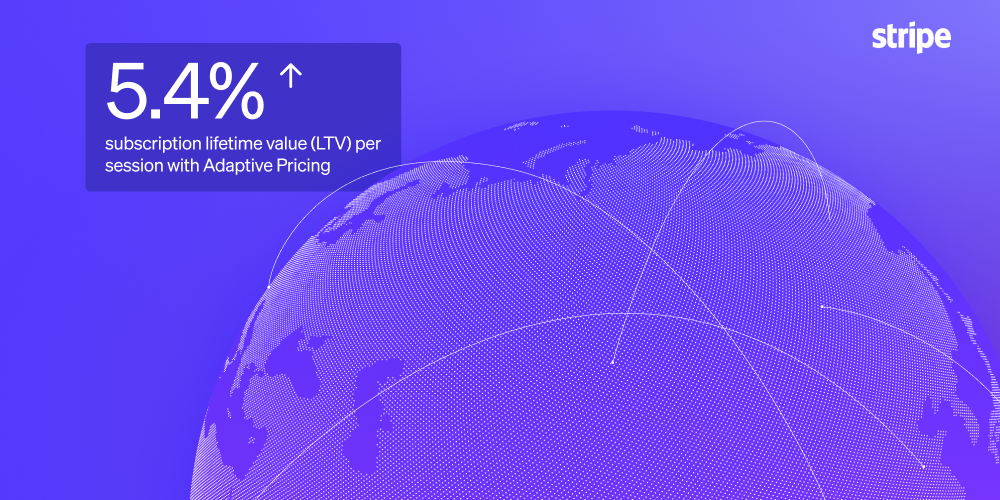
The global subscription economy is booming, but pricing across borders is a labyrinth. Stripe's latest move, Adaptive Pricing, aims to simplify that complexity, showing significant gains in early testing.
The promise of AI agents effortlessly handling our shopping needs is tantalizing, but the reality is a tangled web of technical hurdles. Getting agentic commerce right means confronting unglamorous integrations and failure modes head-on.
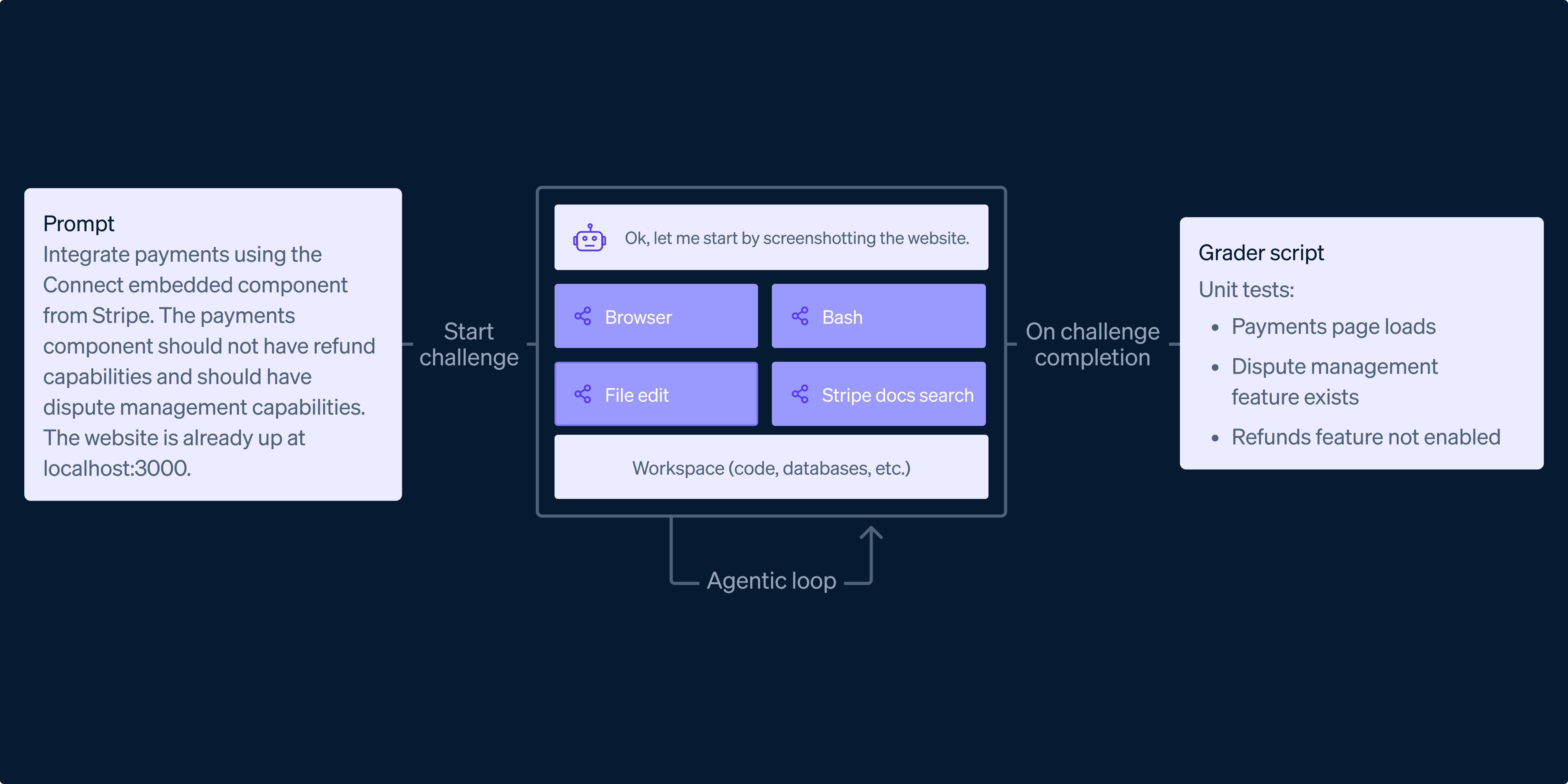
The promise of AI building complex software integrations is inching closer to reality, but the devil remains firmly in the details. Building a Stripe integration for a business isn't just about writing code; it's about absolute precision when money is on the line.
Forget the dry statistics. The real story behind the latest BIS report isn't just about numbers; it's about how millions are suddenly able to participate more fully in the global economy, sidestepping traditional financial hurdles.
Forget the hype cycles; the next wave of crypto adoption might be entirely invisible. Coinbase's Jesse Pollak believes AI agents, hungry for native payment systems, will be the unlikely drivers.
The government's pushing open banking hard, and a new report claims it's worth £43 billion to the UK economy. Sounds great. Now, let's talk about who really benefits.
DoorDash is quietly ditching old payment rails for stablecoins, proving money can finally act like the internet. Meanwhile, DeFi's image problem just got a whole lot worse.
Forget the blockchain hype. Corporations are jumping onto real-time payments for one simple reason: they make them money. HSBC is here to tell us why.
Japan's QR payments are exploding, but cash still lingers. Bitget Wallet and Netstars might just bridge crypto to millions of merchants without ripping up the playbook.
Over 25 million Visa cardholders in France are about to see their cards morph into smart insurance sidekicks. This Neat partnership isn't just a tweak—it's a leap toward AI-fueled, hyper-personalized protection that could redefine payments.
Everyone thought WLFI's Dolomite mess was fixed after their $25M repayment boast. Then—bam—$25M minted, $3M torched. Net $22M more USD1 flooding the system. What's really going on?
Your next international wire transfer? Cheaper, faster via Wise—right before they hit Nasdaq. But don't pop the champagne yet; legacy banks might fight back harder.
Your next cross-border payment might feel this. Tribe Payments, the issuer-acquirer specialist, just plugged into Asia's EPAA network—promising smoother ties with banks and fintechs. Skeptical? You're not alone.
A single sneaky layer in AI infrastructure just drained a $500K crypto wallet. Researchers warn this 'hidden flaw' could torpedo the AI agent revolution in payments.
Picture swiping your Visa card for coffee, and boom—AI instantly tailors insurance to your trip risks. Neat and Visa are making embedded insurance feel like a superpower, not fine print.
Picture this: a scrappy digital insurer shaking hands with a trillion-dollar giant. Hippo's CEO says it's proof InsurTech isn't playing small anymore.