Cartel Crypto Crackdown.
Here’s the thing: when you hear “Treasury sanctions,” you probably picture frozen bank accounts, maybe some travel bans. But this latest move against the Sinaloa Cartel and its alleged crypto-fueled fentanyl operations goes a few layers deeper, exposing the evolving architecture of illicit finance in the digital age.
We’re talking about individuals like Armando de Jesus Ojeda Aviles, allegedly the architect of converting dirty cash into clean crypto before funneling it to the cartel. His associate, Jesus Alonso Aispuro Felix, is reportedly doing the same dirty work, moving drug money across the blockchain. This isn’t the shadowy, untraceable underworld of fiction; this is sophisticated financial engineering, albeit for the vilest of purposes.
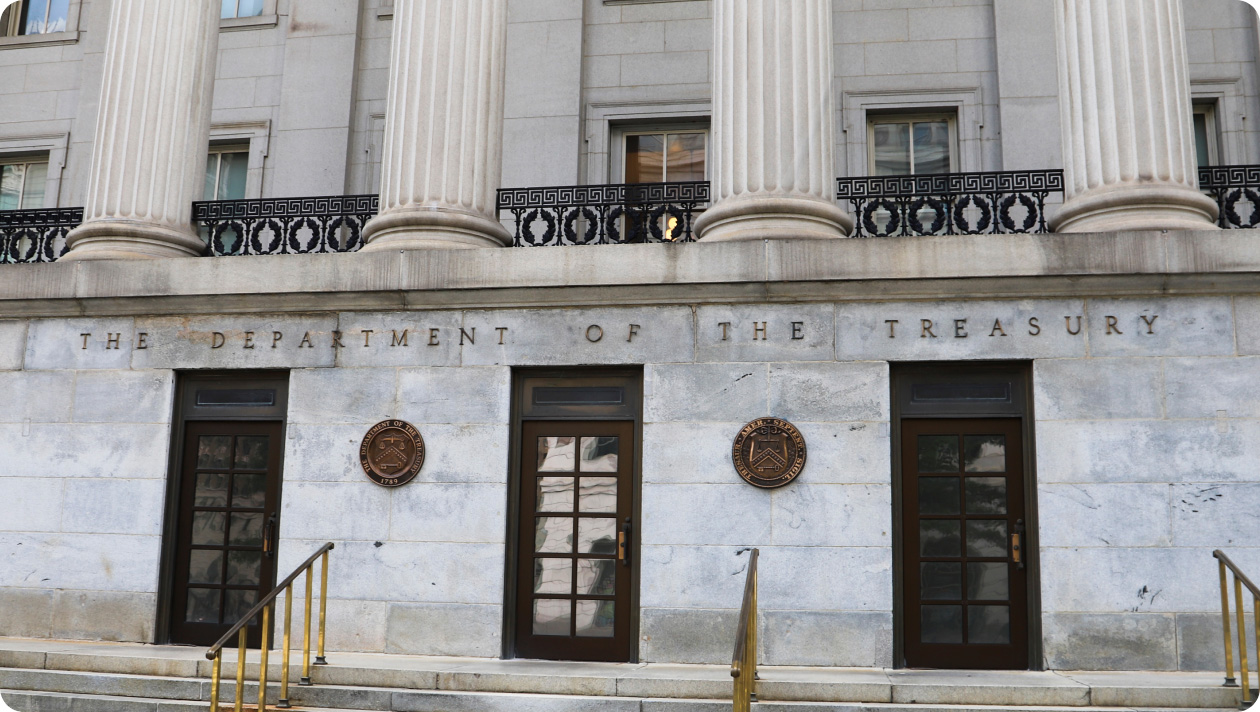
The Treasury’s Office of Foreign Assets Control (OFAC) added six Ethereum addresses to its sanctions list, five of which are supposedly linked to Ojeda Aviles. Most of these addresses are digital ghost towns, dormant for years. But one, an ETH address ending in “e27cb,” blinked to life on April 27th, quietly sending about $894 in Tether’s USDT. This wasn’t a massive heist, but it’s a data point, a whisper in the digital wind, showing that even dormant wallets can become active again, perhaps to move or launder funds.
It’s easy for corporate PR to paint these sanctions as a decisive blow. The Treasury Secretary, Scott Bessent, even tossed in the line, “As President Trump has made clear, this administration will not allow narco-terrorists to flood our borders with poison.” Strong words, but the reality on the ground is far more nuanced.
Why Does This Matter for Crypto Compliance?
This action isn’t just about penalizing criminals; it’s a signal to the broader crypto ecosystem. For years, the narrative around cryptocurrencies has been a tug-of-war between innovation and illicit use. While many in the space champion the transformative potential of blockchain, entities like OFAC are constantly adapting their tools to track and disrupt the dark side of this technology. The fact that six Ethereum addresses were specifically named and sanctioned underscores the Treasury’s growing sophistication in monitoring blockchain activity. It means that financial institutions, exchanges, and even individual users need to be more vigilant than ever about their counterparty risk and their own compliance protocols.
Think about it historically. When cash became too traceable, criminals moved to bearer bonds. When those became cumbersome, wire transfers offered a global reach. Now, with the advent of digital currencies, they’ve found another playground. This is less a proof to crypto’s inherent flaw and more an illustration of human ingenuity applied to—unfortunately—nefarious ends. The underlying architecture of these blockchains, while transparent, requires specialized tools and knowledge to navigate effectively. OFAC is essentially saying, we have those tools, and we’re learning to use them.
The violent Sinaloa Cartel is a U.S.-designated Foreign Terrorist Organization (FTO) responsible for a significant portion of the illicit fentanyl trafficked into the United States that kills tens of thousands of Americans each year.
This quote, pulled straight from the Treasury’s release, is chilling. It frames the issue not just as financial crime but as a national security and public health crisis. And it highlights why these financial sanctions, even if they seem like small amounts in the grand scheme of cartel operations, are so critical. It’s about disrupting their ability to operate, to fund their operations, and to expand their reach.
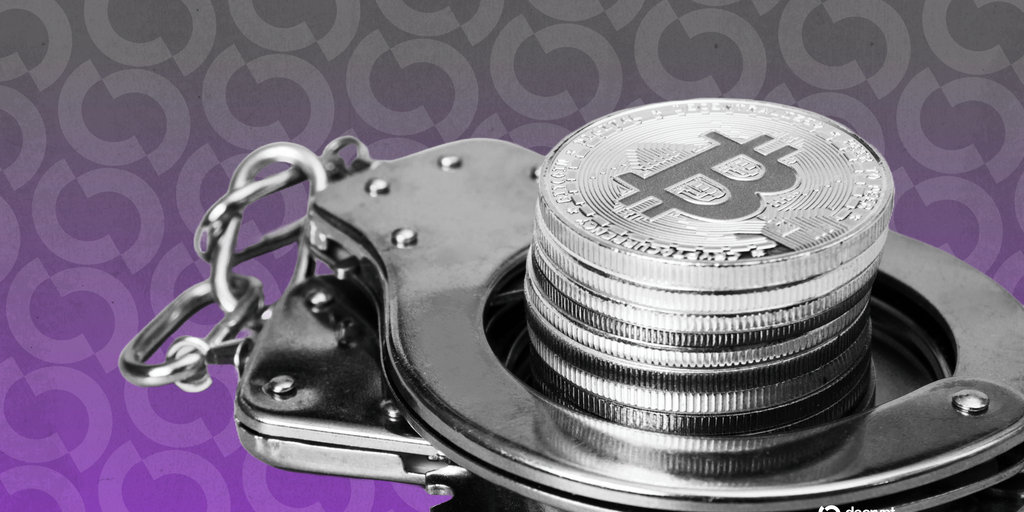
It’s also worth remembering that just last July, a Department of Justice report indicated that the DEA had seized over $10 million in crypto assets from the Sinaloa Cartel in 2025. This isn’t a one-off event; it’s an ongoing, evolving cat-and-mouse game. The cartels adapt, and so do the agencies tasked with stopping them. The architecture of crime is constantly being rebuilt, and the blueprints are increasingly found on the blockchain.
Is Crypto the Problem, or the Tool?
Here’s the unique insight: these sanctions are often perceived as an attack on cryptocurrency itself. But that’s missing the forest for the trees. This is an attack on a criminal enterprise that is using a tool. You don’t sanction hammers because people can use them to break windows. You sanction the people breaking windows. The underlying technology of blockchain, with its inherent transparency (albeit pseudonymous), is, in many ways, a gift to investigators if they have the right tools. The challenge for entities like OFAC is not just identifying illicit transactions but doing so at scale, across multiple blockchains, and in near real-time. The fact that they are publishing these addresses suggests they are indeed building that capability.
This also puts pressure on exchanges and wallet providers. They become the front lines in this war against illicit finance. Every transaction, every deposit, every withdrawal becomes a potential point of scrutiny. For legitimate users, this means more friction, more Know Your Customer (KYC) checks, and potentially slower transaction times. It’s the price of doing business in an era where illicit actors are actively trying to exploit the system.
Ultimately, these sanctions are a warning shot. They signal that while the digital frontier offers new avenues for financial innovation, it also presents new battlegrounds for law enforcement and regulatory bodies. The cartels are experimenting with crypto; so are the regulators, and the latter are starting to show their hand.
🧬 Related Insights
- Read more: AI’s AI Shift: Why ‘Human Capital’ Comment Stings
- Read more: SBI, Rakuten Build Crypto Trusts In-House [Japan Update]
Frequently Asked Questions
What does OFAC stand for and what do they do? OFAC stands for the Office of Foreign Assets Control, a division of the U.S. Department of the Treasury. It administers and enforces economic and trade sanctions based on U.S. foreign policy and national security goals. They can block assets and prohibit U.S. persons from engaging in transactions with sanctioned individuals or entities.
Will these sanctions stop fentanyl trafficking? These sanctions are a tool to disrupt and impede fentanyl trafficking by targeting the financial networks that support it, including those using cryptocurrency. While they don’t eliminate the problem entirely, they make it harder and more expensive for cartels to operate, seize illicit assets, and deter others. It’s part of a broader, multi-faceted approach to combating the crisis.
Are all cryptocurrencies used by criminals? No, not all cryptocurrencies are used by criminals. While illicit actors exploit cryptocurrencies for illegal activities, the vast majority of transactions and users are legitimate. The transparency of many blockchains, when combined with sophisticated analytical tools, can actually aid in tracking criminal activity, as demonstrated by OFAC’s actions.