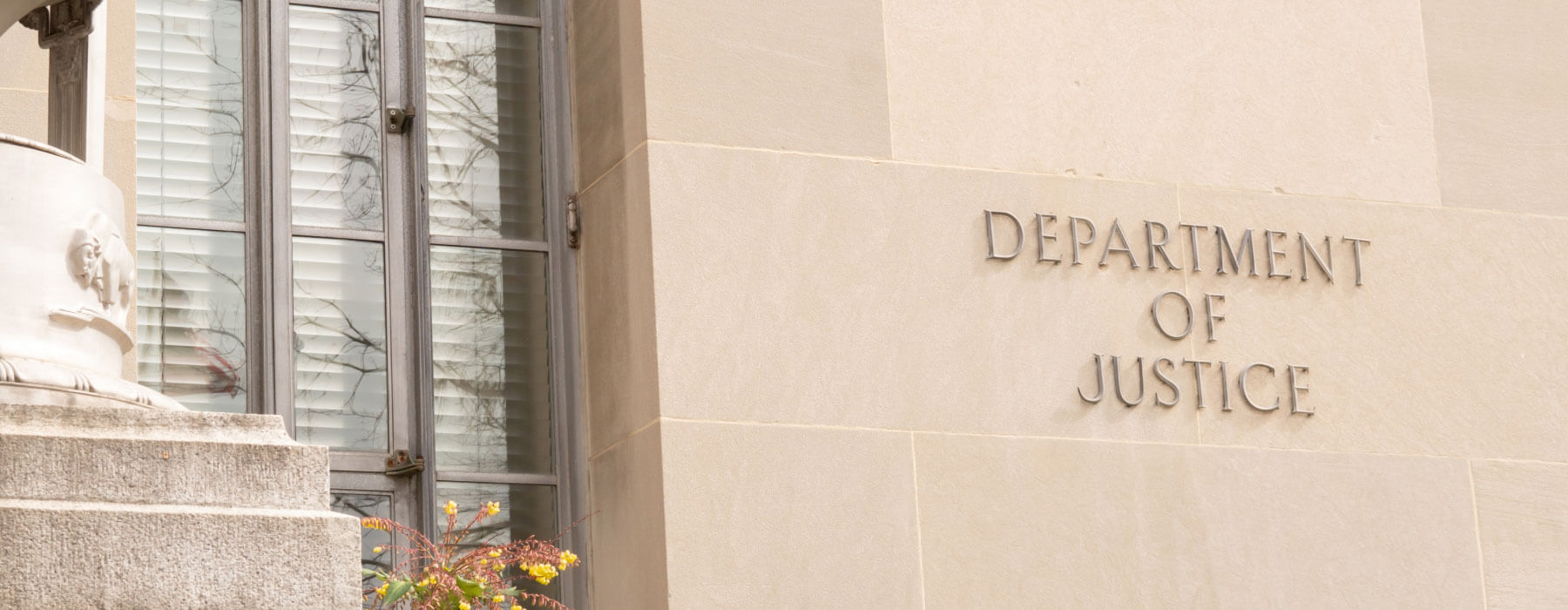
Everyone thought these digital snake pits were too big to touch. Globalized, faceless, churning out billions in stolen cash via crypto. The expectation? More hand-wringing, maybe a strongly worded op-ed. What we got instead was a federal sledgehammer. The DOJ, OFAC, and State Department dropped a coordinated bombshell this week, targeting the entire dirty ecosystem of these Southeast Asian scam operations.
And frankly, it’s about time.
For too long, the Wild West of crypto has been a playground for every grifter and dark-hearted syndicate imaginable. Billions siphoned from unsuspecting victims, often through horrific coercion and human trafficking. “Pig butchering” scams, where scammers build fake relationships to lure victims into bogus crypto investments, alone raked in an estimated $7.2 billion last year. Seven. Point. Two. Billion. Dollars. That’s not pocket change. That’s enough to make governments sweat.
This isn’t just about seizing illicit funds—though they did manage to restrain over $700 million in crypto. This is about dismantling the actual infrastructure. The DOJ’s Scam Center Strike Force nabbed two alleged managers of the Shunda compound in Burma. These weren’t low-level flunkies; they were reportedly overseeing operations where trafficked workers endured physical punishment to fleece Americans. Two arrests. In Thailand. While trying to hop between scam compounds. If that’s not a scene out of a B-movie, I don’t know what is.
They also did something novel: seized a Telegram channel. Not just any channel, mind you, but one used to recruit victims for forced labor. Lured by the promise of a high-paying job, individuals ended up operating sophisticated fraud schemes. And 503 fake crypto investment websites? Gone. Wiped from the internet. It’s a digital purge, and frankly, it’s satisfying to see.
But the DOJ’s actions are only part of the story. OFAC stepped in, wagging its sanctions finger at Cambodian Senator Kok An and his considerable business empire. Think casinos, front companies, a Cambodian bank. All allegedly facilitating human trafficking and cyber-enabled fraud. This cuts off the money flow, makes it harder for these operations to function when their financial enablers are cut off from the global U.S. financial system.
It’s a whole-of-government approach, they say. And for once, it feels like it. The State Department is even dangling a $10 million reward for info on the Tai Chang scam center. Basically, they’re putting a bounty on these criminals’ heads. Turn them in, get paid. It’s a carrot-and-stick approach, and the stick just got a lot heavier.
Why does this matter for the crypto world?
For years, crypto proponents have crowed about innovation and decentralization, often ignoring the dark underbelly where criminals thrive. The ability to move and launder vast sums of money with relative anonymity has made it a preferred tool for illicit actors. This crackdown is a clear signal that the days of crypto being a lawless frontier are numbered. Regulators are getting smarter, more coordinated, and frankly, a lot more aggressive.
This isn’t just about catching a few bad actors. It’s about demonstrating that the infrastructure supporting these scams—the compounds, the recruitment, the laundering—can be systematically dismantled. It’s a direct assault on the business model that has made crypto fraud so lucrative.
The big question now is sustainability. Can these efforts maintain momentum? Or will this be a flash in the pan, followed by more hand-wringing and compliance theater? My money’s on the latter, unless the underlying incentives driving these scams—the ease of anonymity, the global reach, the sheer volume of victims—are truly addressed. But for now, the U.S. government has thrown down the gauntlet.
These actions mark a significant escalation in the U.S. government’s “whole-of-government” strategy to disrupt the infrastructure of “pig butchering” and other cyber-enabled fraud schemes that have drained billions of dollars from American citizens.
This is more than just a headline. It’s a warning shot. The era of unchecked crypto scams is facing serious headwinds. Don’t say you weren’t warned.
What was everyone expecting?
Honestly? Not much. There’s been a lot of talk, a lot of reports of billions lost, but concrete, large-scale, multi-agency action targeting the physical and financial infrastructure of these scam centers felt distant. Many assumed the geographical dispersion and reliance on crypto made them too difficult to effectively combat.
How does this change things?
This signals a massive shift in enforcement priorities. It moves beyond just tracking crypto transactions to actively dismantling the human and logistical elements of scam operations. It demonstrates a commitment to a more holistic, aggressive approach that will undoubtedly force scam operators to become even more cautious—or, more likely, to scatter and rebuild elsewhere, necessitating further, sustained international cooperation.
Is this the end of crypto scams?
Of course not. Scammers are adaptable. But this crackdown makes operating these industrial-scale scam centers significantly riskier and more expensive. It’s a major blow, not an extinction event. The technology and the victims will continue to be exploited, but the ease and impunity with which these operations have run just took a serious hit.