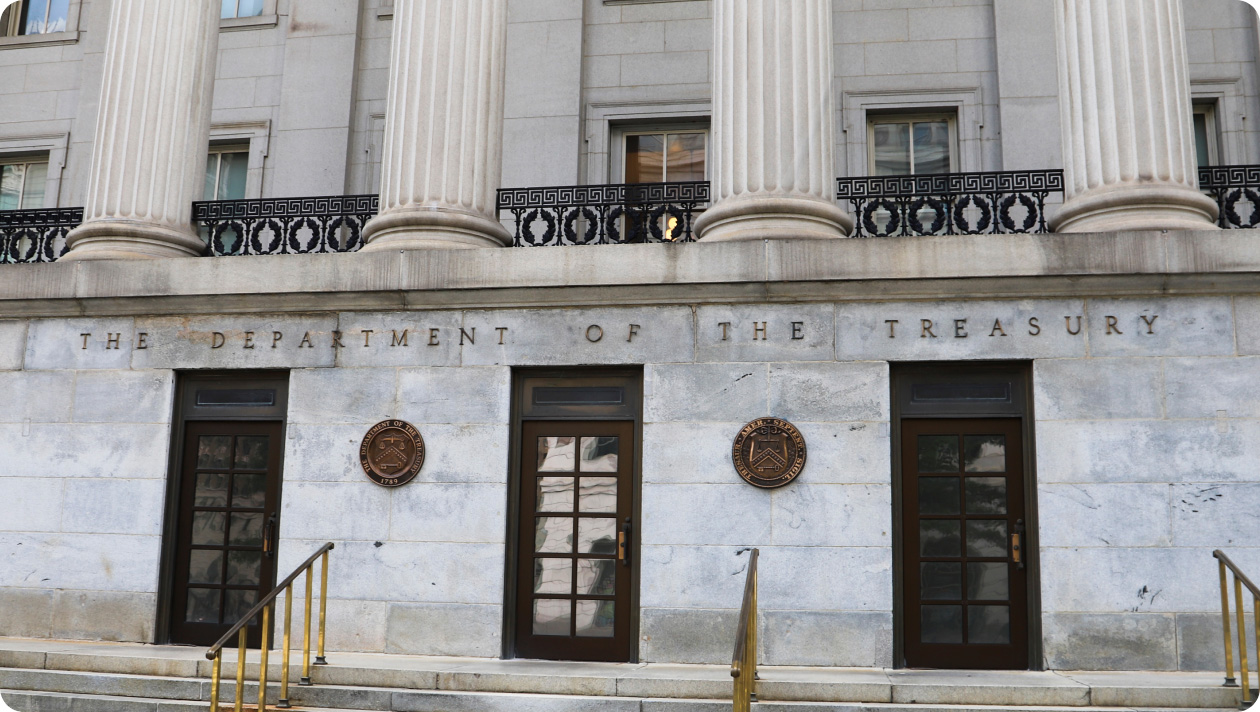
A dozen individuals and entities just got hit with sanctions by the U.S. Treasury’s Office of Foreign Assets Control (OFAC), and the reason? They’re the money launderers for the Sinaloa Cartel, specifically those turning fentanyl profits into cryptocurrency. This isn’t some abstract digital chess game; it’s a direct assault on the very arteries of narco-terrorism, aimed squarely at the networks that convert street-level drug cash into untraceable digital assets before they can even sniff the traditional banking system. Think of it like this: for years, cartels have been like financial ghosts, slipping through cracks. Now, the Treasury is plastering those cracks with neon signs, pointing directly at their digital hideouts.
The real target here? The Los Chapitos faction’s chief money launderer, Armando de Jesus Ojeda Aviles, and his associates. These aren’t just random hackers; these are the specialists, the financial wizards of the underworld, orchestrating the conversion of U.S. drug sales revenue into crypto for a swift, cross-border transfer to Mexico. It’s a high-tech hustle for a low-tech, devastating trade.
The Digital Ghost in the Machine
This entire operation hinges on a sophisticated, albeit dirty, pipeline. U.S.-based couriers, like Rodrigo Alarcon Palomares – who’s already facing federal charges – are scooping up piles of physical cash from fentanyl sales. This isn’t pocket change; it’s bulk, dirty money that needs a swift exit. Once aggregated, Ojeda Aviles’s network steps in, facilitating the conversion of this fiat currency into cryptocurrency. It’s a high-wire act designed to bypass the very institutions that would flag such massive, untraceable cash movements.
And the brains behind the digital operation? Jesus Alonso Aispuro Felix. He’s the chief money broker, the one managing the on-chain mechanics, ensuring these vast sums of drug proceeds flow through designated crypto addresses. It’s a stark reminder that even the most brutal criminal enterprises are rapidly adopting and adapting to the digital frontier. They’re not just using crypto; they’re using it strategically, like any legitimate business uses payment processors.
On-Chain Mechanics: A Digital Footprint?
The story unfolds on the blockchain, a ledger that, while often opaque, is becoming increasingly scrutinized. Chainalysis, a blockchain analytics firm, has been tracking the flow. The pattern is chillingly simple: cash is collected at the street level, converted into stablecoins (think Tether or USDC, those digital dollar equivalents) via bulk transactions, and then Ojeda Aviles-linked wallets swap these stablecoins around on decentralized exchanges. The ultimate goal? To move those funds onto centralized exchanges, effectively cashing out and making the money clean(er) in the eyes of the cartel. It’s a digital shell game, designed to obscure the origins of funds before they can be traced back to the fentanyl that’s poisoning communities.
“These sanctions represent a targeted effort by U.S. authorities to dismantle the cash-to-crypto pipelines utilized by transnational narco-terrorist organizations.”
This quote, straight from the Treasury’s announcement, is the crux of it. The U.S. government isn’t just going after the cartel leaders; they’re going after their financial infrastructure, the digital plumbing that keeps the whole operation humming.
The Specter of Stablecoins and Sanctions
This move is more than just a financial whack-a-mole; it’s a strategic pivot. Cartels are no longer dabbling in crypto; they’re actively integrating it into their core operations. The reliance on stablecoins, in particular, is a red flag for regulators. These digital tokens, designed to mimic fiat currency, offer stability and ease of transfer, making them an attractive vehicle for illicit finance. The Treasury is essentially saying: we see you, and we’re coming for your digital wallets.
What this means for compliance officers and exchanges is a wake-up call. The tools to monitor and detect high-risk activity aren’t just a suggestion anymore; they’re a battlefield necessity. Chainalysis has already labeled the relevant cryptocurrency addresses associated with this network in their product suite, offering a glimpse into the ongoing cat-and-mouse game. The goal is to make it so uncomfortable, so risky, for these networks to operate within the digital ecosystem that they’re forced back into the shadows of traditional finance – where they’re far easier to catch.
This is the fundamental platform shift we’re witnessing with AI and blockchain intersecting. It’s not just about new tools; it’s about entirely new attack vectors and defense mechanisms in the global fight against crime. The days of anonymous digital transactions for illicit gains are numbered, and the Treasury’s latest move is proof of that.