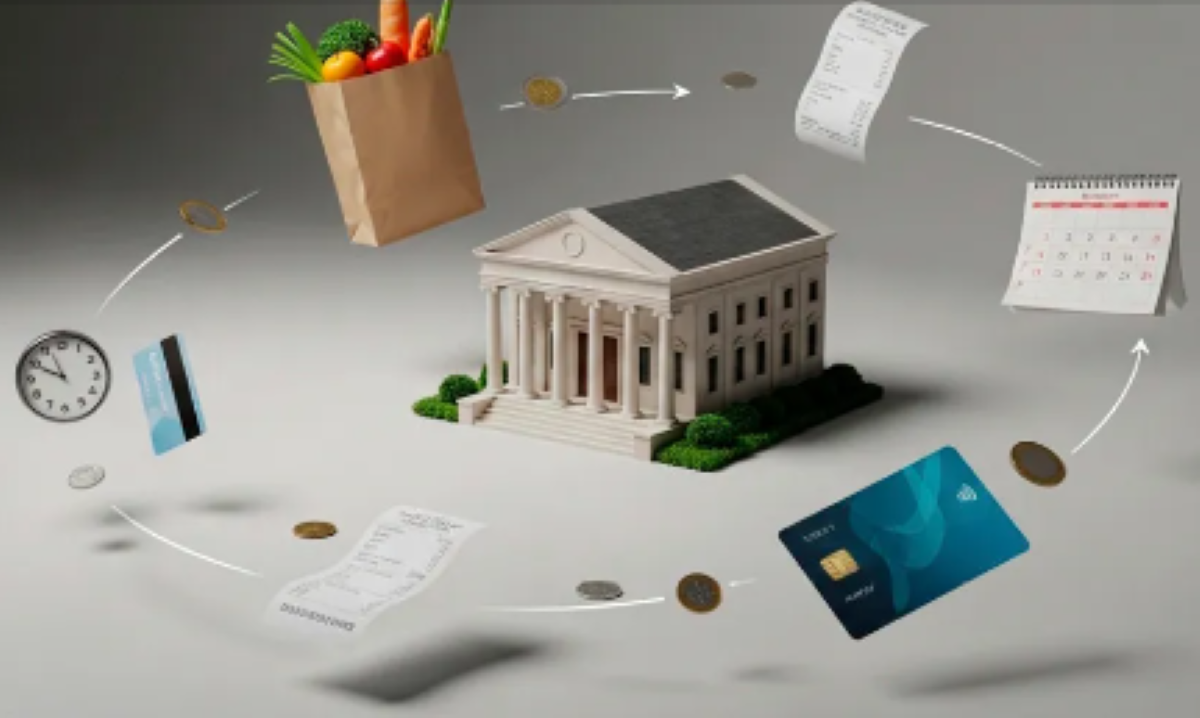
The competitive landscape has shifted. It’s no longer BNPL versus credit cards; it’s about who controls the embedded credit layer in commerce.
The narrative around buy now, pay later (BNPL) was always a bit off. These FinTech startups, promising a debt-free utopia for younger consumers, have found themselves outmaneuvered not by outright rejection, but by assimilation.
CNBC’s latest analysis reveals a startling truth: credit card issuers have effectively absorbed the competitive punch of pay later products. This isn’t a defeat for the incumbents; it’s an evolution driven by consumer demand, particularly from younger demographics.
Why did BNPL catch on? It reframed borrowing from a nebulous, open-ended relationship into a straightforward, transactional experience. Instead of grappling with an abstract revolving balance, consumers were presented with a finite series of payments for a specific purchase. It felt less like debt, more like disciplined budgeting. This psychological shift, combined with a heightened sensitivity to transparency around fees and repayment terms, was BNPL’s secret sauce.
But here’s the critical pivot: younger consumers weren’t necessarily demanding a new financial product. They were demanding a better borrowing experience. They craved transparency, predictability, and control – elements often missing from traditional credit offerings.
The Embedded Credit Wars Rage On
Installment lending itself isn’t a new concept. What BNPL providers did was scale it within eCommerce and mobile checkout environments, targeting demographics that prioritized budgeting clarity and predictable payment schedules. The early assumption that Gen Z and younger millennials were abandoning credit cards en masse now appears to be a misreading of the data. Their behavior suggests a preference for tools that offer greater visibility and control, not necessarily an outright rejection of credit.
Major issuers and card networks didn’t panic. They observed that consumers weren’t shunning cards; they were rejecting friction and uncertainty. The response wasn’t to build walls against installment lending but to integrate it directly into their established credit ecosystems. Today, many credit cards come with built-in installment functionality. Consumers can retroactively convert purchases into fixed payment plans, or utilize “Pay in 4” structures attached to existing accounts. Networks are even enabling merchant-linked installment experiences that bypass the need for entirely new financing relationships. It’s less a BNPL defeat and more its quiet, strategic assimilation.
The real lesson for banks and networks is profound: interface design now carries as much weight in shaping financial trust as strong underwriting. Gen Z’s influence on consumer finance is undeniable. They’ve effectively compelled the credit industry to re-engineer the entire feeling of borrowing. Transparency around fees, real-time notifications, embedded budgeting tools, and integrated financial management features have all accelerated due to this demand for greater financial visibility. This also reflects the broader platformization of commerce, where financing is increasingly viewed as a feature, not a standalone product.
Beyond user experience, the strategic value of these installment features extends to capturing invaluable behavioral insights. Consumer spending patterns, payment sensitivities, and purchase intent signals can now directly influence underwriting models, loyalty programs, marketing strategies, and merchant conversion optimization. In today’s macroeconomic climate—marked by persistent inflation and ongoing pressure on household budgets—these credit insights are becoming indispensable for driving growth and customer retention.
The next frontier of competition will likely hinge less on whether consumers opt for installments and more on which institutions can become the invisible orchestrators of this embedded finance. Card networks boast ubiquity and established infrastructure. FinTech firms retain an edge in user experience innovation and digital-native branding. Meanwhile, massive technology platforms and retailers are increasingly asserting ownership over the financial relationships occurring within their own ecosystems. The ultimate irony? The companies poised to capitalize most from the BNPL shift may well be the very incumbents many analysts predicted would be casualties.
Here’s the core takeaway:
Major issuers and card networks realized consumers were not rejecting cards outright; they were rejecting friction and uncertainty. The response was not to fight installment lending but to absorb it directly into existing credit ecosystems.
Has BNPL Actually Been Defeated?
It’s more accurate to say BNPL has been integrated. Its core value proposition—making purchases feel more manageable through discrete payment plans—has been adopted and amplified by credit card issuers. This isn’t about BNPL’s demise, but its successful infiltration into the mainstream credit product, blurring the lines between traditional and newer financing methods. The competitive battle has evolved from a direct confrontation to a sophisticated play for control over the embedded credit layer within commerce.
Why Does This Matter for Consumer Credit?
This assimilation means greater accessibility to installment options for a broader consumer base, often with the familiarity and existing infrastructure of their credit cards. For issuers, it’s a way to retain market share and gather richer data on consumer behavior. For consumers, it potentially means more flexible repayment options, but also a need to remain vigilant about managing multiple credit lines and understanding the fine print of integrated installment features. The consumer’s demand for better borrowing experiences has fundamentally reshaped the credit landscape, forcing incumbents to innovate or become irrelevant.
What’s Next in Embedded Finance?
The future belongs to those who can offer frictionless, integrated financial experiences. Expect continued innovation in how credit is embedded within merchant platforms, digital wallets, and even within the user interfaces of non-financial apps. Technology platforms and large retailers will likely seek to deepen their control over these financial relationships, potentially creating new ecosystems that challenge traditional banking models. The race is on to become the invisible plumbing of modern commerce.
🧬 Related Insights
- Read more: Singapore’s Anti-Illicit Finance Shield Holds Strong: FATF Says ‘strong & Effective’
- Read more: Addi’s Rebellion: Can One Fintech Topple Colombia’s Fee-Guzzling Banks?
Frequently Asked Questions
What does “embedded finance” mean in this context? Embedded finance refers to the integration of financial services—like payments, lending, or insurance—directly into non-financial products or services. In this case, it means installment payment options are built directly into credit card offerings or checkout processes, rather than requiring a separate BNPL application.
Will this lead to more consumer debt? It could, if not managed responsibly. While integrated installment plans offer flexibility, they are still a form of credit. Consumers need to be mindful of managing their overall credit utilization and ensuring they can meet repayment obligations across all their credit lines to avoid accumulating debt.
What is the advantage for credit card companies? For credit card companies, integrating BNPL-like features allows them to remain competitive, attract and retain customers (especially younger ones), gather more data on consumer spending habits, and potentially increase transaction volume and interchange fees by keeping consumers within their existing card ecosystems. It’s a defensive and offensive strategy rolled into one.