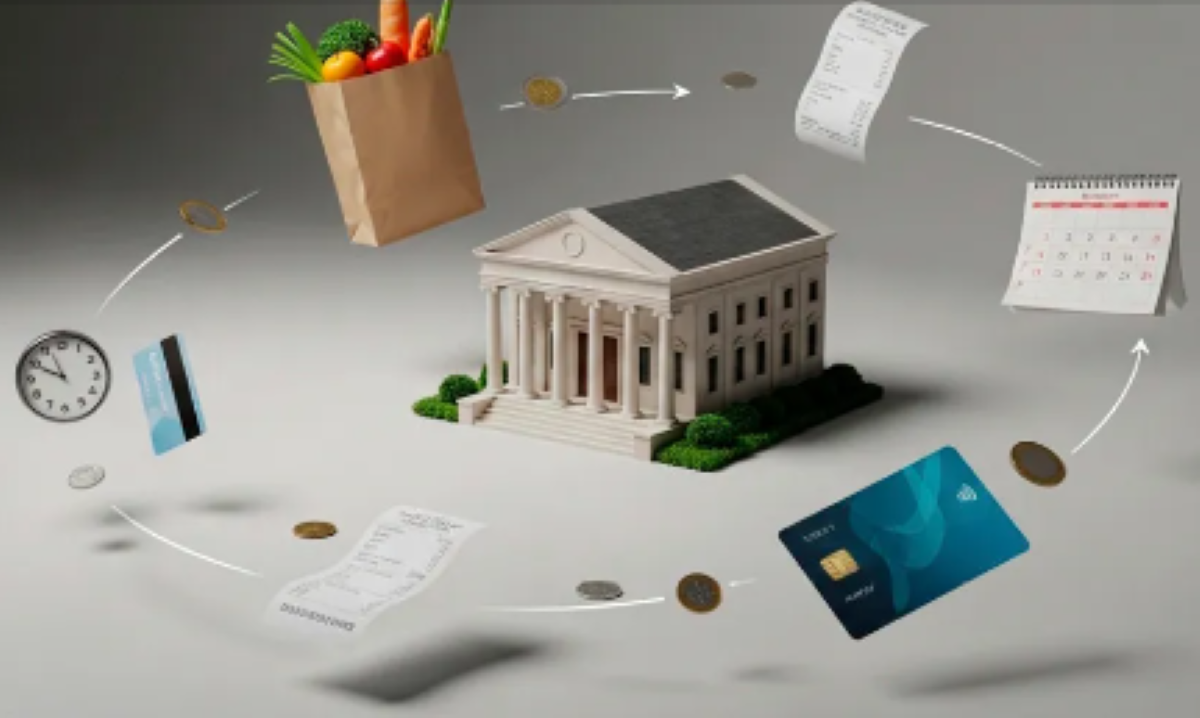
Here’s the thing: they said younger generations were the future. Then they started demanding things now. So, credit unions, bless their cotton socks, are scrambling. They’re eyeing Buy Now, Pay Later not as some flashy checkout perk for teenagers but as a sticky retention tool. A way to keep these demanding digital natives from wandering off to greener fintech pastures.
It’s a desperate pivot, if you ask me. For years, credit unions have been the beige cardigan of financial institutions. Reliable. Safe. Utterly uninspiring to anyone under 40. Now, they’re suddenly trying to wear neon. BNPL, the very thing that fueled a million impulse purchases of novelty socks and questionable gadgetry, is now their supposed secret weapon for loyalty.
Is BNPL Really the Retention Key?
Because that’s the narrative being spun, isn’t it? That offering BNPL services will suddenly make members stick around like they’re plastered to the ceiling. The argument goes that by integrating these payment plans, credit unions can cater to the ‘expectations’ of younger consumers. Expectations. What expectations? That debt is always just a click away? That responsible financial planning is for suckers?
This isn’t about meeting expectations; it’s about preventing churn. It’s a tactical move dressed up as strategic foresight. Credit unions, like many legacy institutions, are playing catch-up. They watched the neobanks and the disruptors offer these flashy features, and now they’re realizing their existing customer base—the one they painstakingly cultivated for decades—is susceptible to the siren song of instant gratification.
Younger generations are no longer a future growth segment for credit unions. They are an active, demanding customer base whose expectations around payments are shaping product decisions today.
See that? ‘Demanding customer base.’ Not ‘valuable partners’ or ‘members to educate.’ ‘Demanding.’ It’s a telling choice of words. It implies they’re less a community and more a problem to be managed. And what better way to manage a demanding customer than to give them precisely what they demand, even if it’s just a slightly more palatable version of what the fintechs are already peddling?
From Checkout to Core?
This isn’t about building genuine loyalty through superior service or financial literacy programs. It’s about adding another transactional layer. It’s the financial equivalent of adding extra sprinkles to a bland cupcake hoping nobody notices the stale cake underneath. Credit unions are hoping BNPL will act as a digital duct tape, holding their member base together while they figure out what to do next.
The real question isn’t whether BNPL can be a retention tool. It can. It’s a short-term fix. The real question is what happens after the novelty wears off, and the underlying issues that drive members to look elsewhere—lack of innovation, high fees on other products, or a perceived lack of understanding of their financial lives—remain unaddressed. Are we just rearranging the deck chairs on the Titanic, but with a slightly more modern payment option?
It’s a cynical view, perhaps. But when a venerable institution like a credit union starts talking about Gen Z’s ‘expectations’ around BNPL, it feels less like genuine engagement and more like a frantic bid for relevance. They’re trying to appear modern, to speak the language of the kids who grew up with a smartphone in their hand. But are they listening? Or just mimicking?
This move highlights a fundamental challenge for all traditional financial players: how to bridge the gap between their established models and the fluid, often impulsive, financial behaviors of younger consumers. BNPL is the current, shiny object being used to try and bridge that gap. Whether it builds a sturdy bridge or just a flimsy rope one that snaps under pressure remains to be seen.
FAQ
What does Buy Now, Pay Later mean for credit unions?
Credit unions are exploring BNPL as a way to attract and retain younger members by offering flexible payment options, moving beyond its traditional role as a checkout feature.
Will BNPL make credit unions more popular with young people?
It might offer a short-term boost in appeal by meeting immediate payment demands, but long-term popularity will likely depend on broader service offerings and genuine engagement with younger demographics.
Are credit unions adopting BNPL to compete with fintechs?
Yes, the shift signals an effort by credit unions to stay competitive in the digital payments landscape and prevent member attrition to newer financial service providers.