Crypto’s Big Moment Dawns.
And just like that, the tectonic plates of finance have shifted again. We’re talking about AI, of course, but more specifically, we’re talking about the kind of platform shift that redefines what’s possible. Think of it like the internet going from a niche hobby for academics to the global nervous system it is today. That’s the magnitude of what’s happening with AI. It’s not just a new tool; it’s a new operating system for industry, and the SEC’s recent pronouncements on crypto tokenization offer a fascinating, if slightly messy, glimpse into how this new world will be regulated.
A Ripple of Disappointment
Look, the crypto world has been buzzing, right? Rumors swirled this week that the U.S. Securities and Exchange Commission was about to drop a bombshell – a rule that would, dare I say it, open the floodgates to synthetic tokenization of securities. Imagine it: digital replicas of stocks, traded on decentralized platforms, offering exposure without the messy business of actual ownership. The possibilities, for those seeking novel financial instruments, seemed immense.
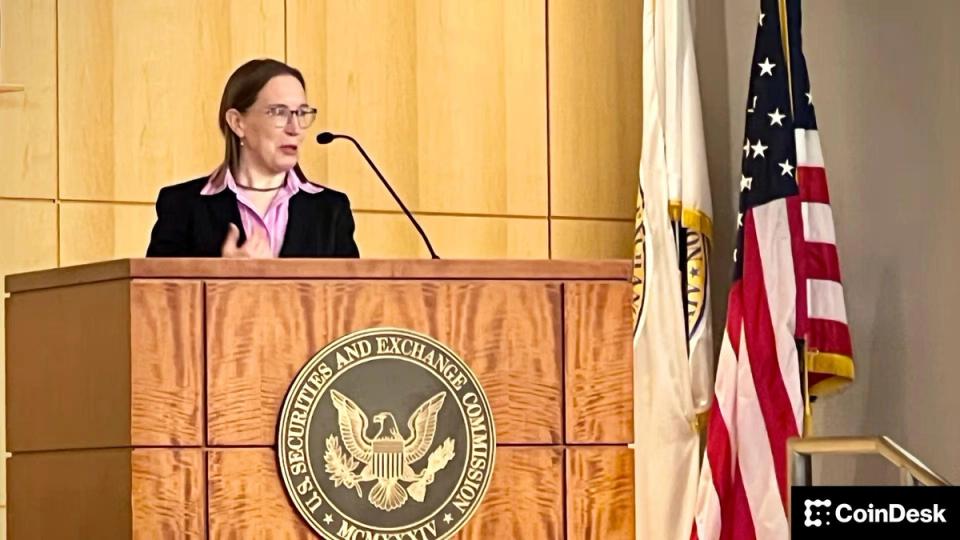
But then came Hester Peirce, the SEC Commissioner with a reputation for being, shall we say, more crypto-curious than some of her colleagues. In an unusual and frankly refreshing move, she took to social media – X, formerly Twitter – not once, but twice, to pour a bucket of cold water on the hype. Her message was clear: the much-anticipated rule, poised to be released soon, isn’t going to pave the way for synthetics.
Peirce wrote that she expects the coming rule would be “limited in scope & would facilitate trading only of digital representations of the same underlying equity security that an investor could purchase in the secondary market today, not synthetics.”
This is the crucial distinction. We’re not talking about synthetic exposures that merely reference a security. We’re talking about direct digital representations of actual equity. Think of it like this: instead of a carefully crafted imitation of a diamond, we’re getting a perfectly cut, digitally certified diamond itself. It carries the same inherent value, the same rights, the same everything.
Why the Hype Machine Fueled Up
The fuel for the synthetic token rumor mill? Bloomberg News, no less, reported that the agency was considering a path for these types of trades on decentralized crypto platforms. Peirce acknowledged the keen public interest, but she didn’t mince words about the “hyperbole” surrounding the situation. It’s a stark reminder that the market’s imagination often outpaces regulatory clarity, especially when new technologies like AI are involved in the process of creating these digital assets.
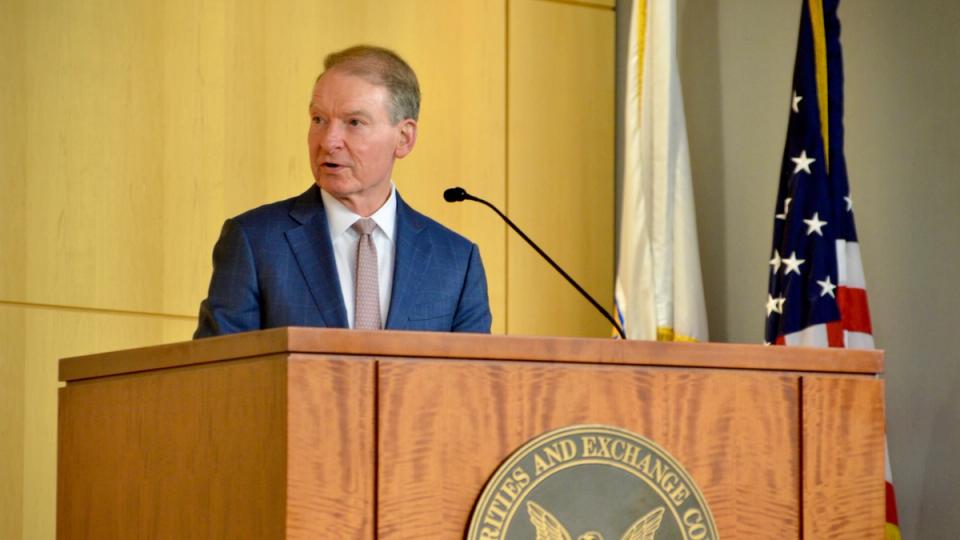
This rule, when it finally lands, is significant. It’s the SEC’s most substantial step yet towards a new regulatory paradigm for crypto trading in the U.S. For months, Chairman Paul Atkins has been telegraphing the agency’s intentions to offer regulatory exemptions in the crypto space. He’s spoken of safe harbors – essentially regulatory breathing room – for startups to mature, fundraising exemptions to help entrepreneurs get off the ground, and even an ‘investment contract safe harbor’ to keep certain crypto assets from being automatically classified as securities.
Peirce’s fingerprints, it’s been said, are all over this. And it’s not just the SEC. The Commodity Futures Trading Commission (CFTC) is also in the game, working in tandem with the SEC. The consensus seems to be that while they’re building the regulatory framework, Congress is poised to provide the permanent, future-proofed legislation through acts like the Digital Asset Market Clarity Act.
The AI Connection: My Take
Here’s where it gets truly fascinating, and where the SEC’s cautious approach to tokenization, even as it embraces AI, reveals something fundamental about platform shifts. While Peirce is tempering expectations on synthetics, the underlying technology enabling tokenization itself – and the AI that will undoubtedly be used to manage, audit, and analyze these digital assets – is a genuine platform shift. We’re not just tokenizing stocks; we’re building a new infrastructure for ownership and exchange, powered by algorithms that can learn, adapt, and optimize at speeds humans can only dream of.
Think of AI as the invisible hand guiding the evolution of these digital markets. It’s not just about creating synthetic tokens; it’s about making the entire process of security issuance, trading, and settlement more efficient, transparent, and accessible. The SEC’s caution on synthetics, while understandable from a regulatory perspective, might be a temporary pause before the full AI-powered revolution in tokenized assets truly takes hold. They’re ensuring the foundation is solid before the skyscrapers are built.
Is this a missed opportunity for innovation? Perhaps in the short term. But it’s also a calculated move to prevent a Wild West scenario, especially as AI continues to blur lines and accelerate complexity. The future of finance isn’t just about what we tokenize, but how AI will transform the very nature of ownership and value creation in the digital age. Peirce’s clarification, while perhaps disappointing to some speculators, is a necessary step in ensuring that the foundational elements of this new era are built on solid ground, ready to be amplified by the very AI that’s driving this entire paradigm shift.
🧬 Related Insights
- Read more: [Ray Dalio on Bitcoin]: Why Central Banks Won’t Adopt BTC
- Read more: Apple Blocked 1 Billion Fake App Store Accounts in 2025
Frequently Asked Questions
What does SEC Commissioner Hester Peirce mean by ‘synthetic tokens’? Synthetic tokens are digital assets that mimic the economic performance of an underlying security but don’t grant the holder the actual ownership rights, like voting or dividends. They provide exposure without direct ownership.
Will this SEC rule allow for tokenized real estate or other assets? Based on Commissioner Peirce’s statements, the rule appears to be focused narrowly on digital representations of existing equity securities that could be bought through traditional means. It doesn’t suggest broader asset tokenization is immediately on the table.
How is AI related to this crypto regulation? While not directly part of this specific SEC rule’s clarification, AI is profoundly impacting finance by enabling more sophisticated digital asset creation, management, and analysis. The SEC’s cautious approach to tokenization aims to build a stable regulatory environment that AI can eventually innovate within.