Does the SEC actually want to understand blockchain and AI, or just regulate them into oblivion? SEC Chair Paul Atkins has dropped a hint, and it’s not the usual boilerplate about investor protection. He’s talking about rules. For onchain markets. And AI-driven finance. Color me skeptical, but also… intrigued.
The Regulatory Pendulum Swings (Again)
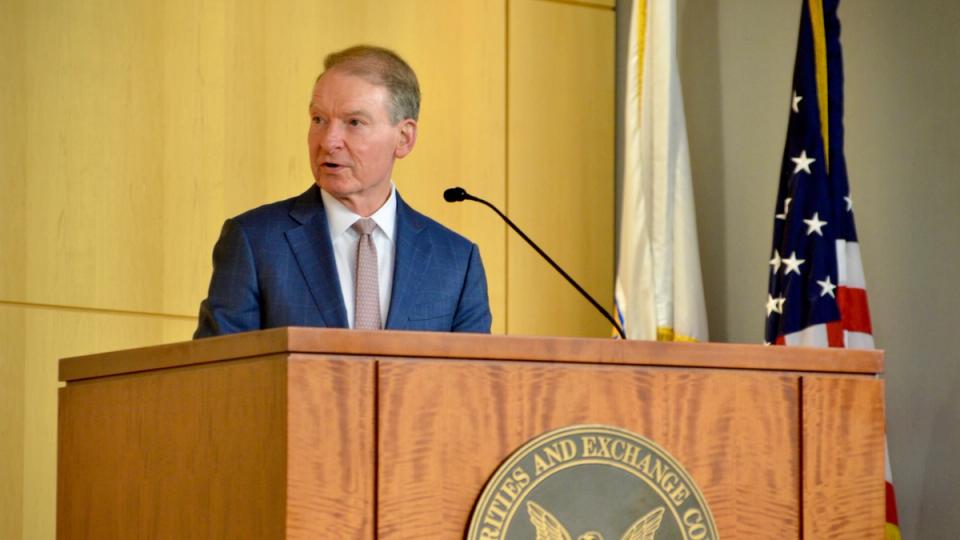
Atkins, speaking at some AI expo (because where else would you discuss financial revolution?), basically said the agency is mulling formal rulemaking for those crypto vaults and blockchain settlement systems. His argument? Existing securities laws, cobbled together for a pre-digital age, don’t quite fit systems that do everything – trade, collateralize, settle – in a single piece of code. He’s framing it as a broader shift to an AI-driven, automated financial future. It’s a stark contrast to the enforcement-first approach of his predecessor, Gary Gensler, who seemed to view every DeFi protocol as a personal affront. Atkins wants to clarify things. Through notice and comment rulemaking. Imagine that.
“A single protocol can execute a trade, manage collateral, route liquidity, execute trading strategies through vault structures and settle the transaction.”
This isn’t just about crypto firms getting a hug. It’s about the SEC trying to grapple with hybrid models that blend traditional finance with the wild west of DeFi. Atkins’ predecessor, Gensler, often used lawsuits to paint these hybrid structures into a corner, mostly focusing on centralized exchanges that bundled services. Now, Atkins is suggesting a more… structured path. A path that, dare I say, might actually involve listening to the industry. The SEC’s job, he posited, is to set the rules, not to pick winners. A noble sentiment. We’ll see if it survives contact with reality.
AI: The New Regulator-Bait?
The real kicker here is the AI angle. Atkins sees AI agents operating at machine speed, moving value instantly on blockchain rails. This isn’t some sci-fi fantasy; it’s the direction finance is heading. And the SEC, bless its bureaucratic heart, is trying to avoid trapping these emerging technologies in outdated frameworks. It’s like trying to fit a rocket ship into a horse-drawn carriage.
This pivot towards rulemaking could be a significant win for digital asset firms bogged down by regulatory uncertainty. For years, the approach has been a game of whack-a-mole, with enforcement actions popping up like digital dandelions. If Atkins can deliver on his promise of clarity via formal rules, it would be a seismic shift. It suggests a more mature understanding at the SEC that innovation shouldn’t be stifled by regulatory fear. Of course, the devil, as always, will be in the details. What constitutes a “hybrid model”? How will collateral management be viewed? Will the rules actually be practical, or just more red tape masquerading as progress?
A Familiar Tune: Congressional Support
And in a move that will surprise precisely no one, Atkins also reiterated support for congressional efforts to create crypto market structure legislation. The CLARITY Act, which aims to split regulatory oversight between the SEC and CFTC, is back in the spotlight. This is the same song and dance we’ve heard before – a legislative fix to a regulatory mess. Whether Congress can actually deliver something coherent, or if it will devolve into partisan bickering, remains to be seen. But at least the SEC is signaling a willingness to work with lawmakers. It’s a cooperative stance, a far cry from the adversarial posture we’ve witnessed in recent years. This could be the push the industry needs, or just another layer of bureaucracy. The jury’s still out.
What About Kraken’s Trust Company Bid?
In related news, Payward, the parent company of Kraken, has filed for a national trust company charter with the OCC. This would allow them to offer federally regulated crypto custody services, building on their existing Wyoming bank charter and Federal Reserve access. It’s a smart move, aiming to bring traditional regulatory oversight to their crypto operations. If approved, it signals a growing appetite among major players to operate within established financial frameworks, perhaps in anticipation of clearer rules from the SEC. It’s about legitimacy. And perhaps, avoiding future regulatory headaches.
🧬 Related Insights
- Read more: HB Wealth Dumps Spreadsheets for Arch to Dominate Private Markets
- Read more: Alloy’s Laura Spiekerman: Agentic AI Might Finally Fix Identity Fraud — Or Not
Frequently Asked Questions
What does SEC Chair Atkins want to regulate? SEC Chair Paul Atkins is considering new rules for onchain trading systems, crypto vaults, and blockchain settlement infrastructure, along with AI-driven financial applications.
Will these new rules affect AI in finance? Yes, Atkins framed the rulemaking effort as part of a broader shift toward an AI-driven and automated financial infrastructure, suggesting AI agents will increasingly participate in markets.
Is this good news for crypto companies? Potentially. Atkins’ signal of formal rulemaking, rather than enforcement-only, suggests a move toward greater regulatory clarity, which could benefit digital asset firms.