Agentic AI was supposed to be the next big nothingburger in fintech — flashy demos, zero trust from compliance wonks. But Alloy’s president, Laura Spiekerman, just flipped the script. She’s pitching it as the invisible shield for identity risk, the kind that lets banks onboard more customers without fraudsters crashing the party.
Look, I’ve covered this beat for two decades. Back in the early 2010s, every startup swore data orchestration would end manual reviews forever. Spoiler: it didn’t. Alloy’s been at it since then, powering 800-plus institutions with their identity platform. Now they’re layering in agentic AI — not the opaque stuff, but agents that follow rules, log every move, and outpace humans.
Spiekerman’s no newbie. College thesis on microfinance, stint in East Africa fiddling with M-PESA. She saw the ID bottleneck up close — folks can’t get money if they can’t prove who they are. Fast-forward, she’s co-founding Alloy to fix that U.S.-style: unify verification, fraud checks, compliance into one API pulling 200+ data sources.
Why Does Fintech Still Suck at Onboarding?
Renewing a driver’s license? Nightmare. For immigrants or credit newbies? Hellscape. Spiekerman nailed it:
“It was this very human problem literally blocking people’s access to the financial infrastructure and ecosystem,” Spiekerman said.
Alloy started there — onboarding API for higher conversions, less fraud. Today? It’s lifecycle-wide: logins, transactions, changes. One SMB client doubled approvals. A credit union saves $5 per $1 spent. Numbers like that make you wonder: who’s actually pocketing the cash here? Alloy, sure — but clients too, if it scales.
But global? Oof. Germany’s video-ID mandates, UK’s push-payment scams. Alloy bakes in local data, spits out policies. Smart. They’re even porting U.K. lessons back to a sleepy U.S. regulator scene.
Here’s my unique take, absent from the PR fluff: this echoes the post-2008 compliance gold rush. Remember KYC platforms like Jumio? Hyped agent-like smarts, got bogged by false positives. Agentic AI might dodge that with audit trails — but fraudsters adapt. Always do. Predict this: in two years, we’ll see ‘agentic fraud rings’ gaming the agents themselves.
Can Agentic AI Survive the Regulator Gauntlet?
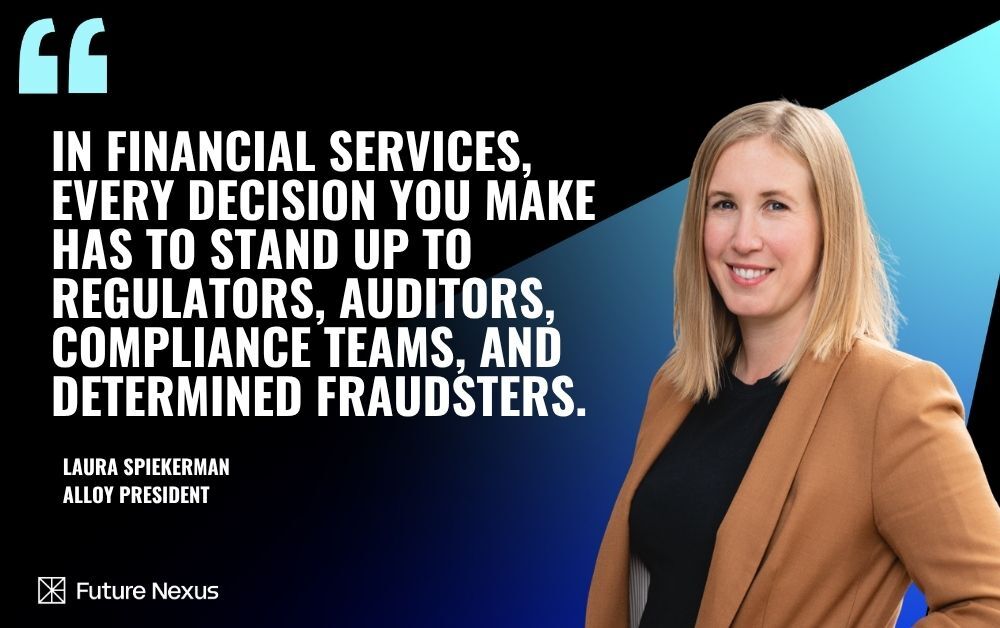
Financial services as AI’s ultimate testbed? Spiekerman’s all in:
“In financial services, every decision you make has to stand up to regulators, auditors, compliance teams, and determined fraudsters.”
She’s right — zero tolerance for black boxes. Alloy’s agents? Policy-driven, step-by-step docs. Faster than analysts, explainable. If it works, banks get low-friction everything: transact, login, update info — no drop-offs.
Cynic hat on: I’ve seen ‘invisible infrastructure’ promises before. Alloy’s got traction — real customers, ROI stats — but agentic AI’s early. What if edge cases break it? Or costs balloon with 200 sources? They’re making money now on orchestration; AI’s the upcharge. Watch for churn if conversions dip.
Spiekerman’s panel at HumanX AI (April 6-9) — ‘Building global financial infrastructure’ — should stir debate. She’s fixated on inclusion sans fraud, a decade strong. Respectable. But Silicon Valley loves ‘do anything’ pivots. Alloy went from onboarding to full lifecycle. Next? Betting on agents to stay ahead.
Friction kills fintech. Alloy abstracts it — configurable policies over point solutions. U.S. firms prep for EU/UK regs via Alloy’s learnings. Side perk? Higher approvals mean more revenue for everyone (except fraudsters).
Still, who wins biggest? Alloy’s investors — Series C cash flowing. Clients save ops bucks. Customers? Maybe less hassle. Fraudsters? They’ll find gaps.
Short para. Boom.
And this sprawls: think about the economics, though — one credit union’s $5:1 savings sounds killer, but scale to millions of transactions, and you’re talking real dollars; pair that with doubled approvals for SMBs chasing growth in a tight economy, and Alloy’s not just compliant, they’re a growth enabler; yet, here’s the rub — if agentic AI mandates more data buys or compute, costs creep up, eroding that ROI; Spiekerman touts real-time orchestration, but I’ve grilled execs who overpromised on ‘holistic views’ only to deliver dashboards from hell; Alloy seems cleaner, battle-tested over years.
Global push sharpens everything. Fragmented data? They integrate. Weird rules? Abstracted. But entering markets like Germany — video verification mandatory — tests the ‘invisible’ claim hard.
Is Alloy’s Agentic Bet Paying Off Yet?
Outcomes first: less fraud, fewer false positives, higher conversions. Under hood? AI, but auditable. No black box.
Skeptical me asks: proof beyond anecdotes? They claim it. Investors buy in. But in 20 years, I’ve seen fraud tech hype cycles bust — dot-com era check-writing scams, anyone? Agentic might break it — explicit policies mimic human reasoning regulators crave.
Spiekerman’s thesis holds: phones fixed distribution; ID’s the blocker. Alloy unblocks. Agentic scales it.
One sentence punch: Cash flows to those who deliver.
Detailed now — expansion means U.K. scam regs schooling U.S. players; policy heads there anyway, Alloy frontruns; clients avoid building in-house, saving dev cycles; but dependency risk — one outage, everyone’s onboarding grinds.
Voice strong: love the cynicism on buzz, but Alloy’s no vaporware. Real platform, real users.
🧬 Related Insights
- Read more: $100 Trillion Handover: Will Stablecoins Actually Kill Legacy Payments?
- Read more: CFTC Just Got a Court-Stamped Monopoly on Sports Bets and Event Contracts
Frequently Asked Questions
What is agentic AI in Alloy’s identity platform?
Agentic AI at Alloy means autonomous agents that follow explicit policies, document decisions, and handle identity risk faster than humans — all while staying regulator-friendly.
Will Alloy’s agentic AI reduce fraud in my fintech?
Possibly — clients report less fraud, higher approvals, ops savings; but test it, as fraud evolves.
How does Alloy handle global identity verification?
Through local data integrations and configurable policies, abstracting regs like Germany’s video-ID into smoothly APIs.