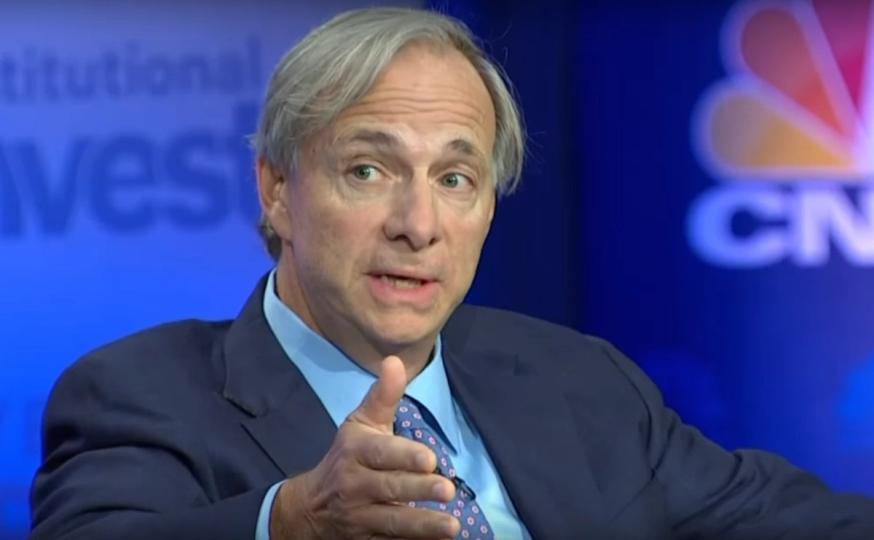
Could the very feature Bitcoin enthusiasts tout as its greatest strength—its unwavering transparency—actually be its undoing with the world’s most powerful financial institutions? It’s a question few seem to be asking, but one that hedge fund titan Ray Dalio just put squarely on the table. His assertion? Central banks, in their pursuit of stable, controllable reserve assets, are fundamentally put off by Bitcoin’s public ledger.
This isn’t just some casual observation from a crypto skeptic. Dalio, who famously allocates a small but deliberate portion of his portfolio to Bitcoin, articulated his reasoning via X: “Bitcoin lacks privacy. Transactions can be monitored and potentially controlled, which is why central banks aren’t looking to hold it.”
Look, the mechanics are clear. Bitcoin, at its core, is built on a decentralized, peer-to-peer network with a public ledger where every single transaction is etched in stone. Anyone with a curious mind and an internet connection can fire up a block explorer, plug in a wallet address, and watch the BTC flow in real-time. While wallet addresses offer a veil of pseudonymity, the sophisticated tools employed by blockchain analytics firms and law enforcement agencies can, and often do, peel back that layer, tracing funds and potentially linking digital activity to real-world entities. The flow of the asset is undeniably, and perhaps troublingly for some, highly transparent and traceable.
This open-book approach, lauded by many in the crypto community, stands in stark contrast to the operational imperatives of central banks. Imagine a world where the exact holdings and transaction patterns of a nation’s strategic reserves are laid bare for all to see. It’s a scenario that runs counter to the very concept of sovereign financial control and security. This lack of inherent privacy isn’t just a theoretical hurdle; it’s a practical barrier that resonates with institutional players too. Reports from industry events have already highlighted that widespread institutional adoption of blockchain tech hinges on strong privacy features, especially for the massive transactions that move markets.
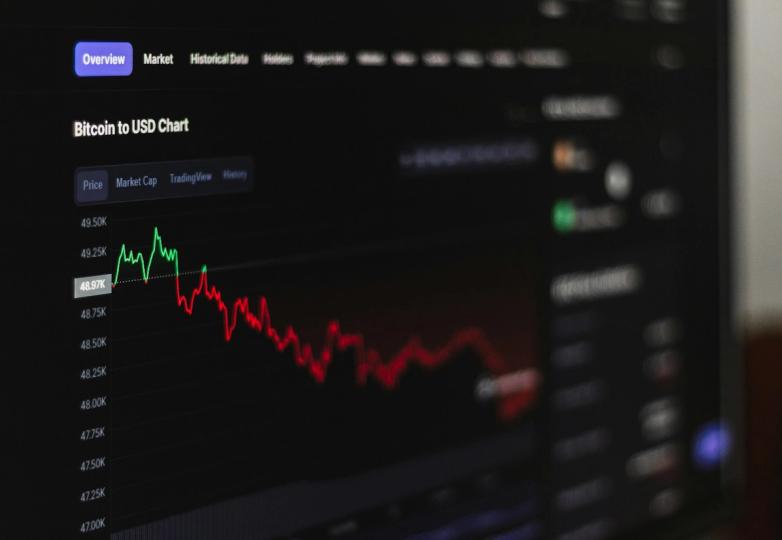
The market itself, oddly enough, seems to be whispering a similar tune. While Bitcoin has languished, down over 10% recently, privacy-focused cryptocurrencies like Zcash have seen their valuations surge by more than 800% since the start of 2025. This divergence certainly suggests that while the broader crypto market might be chasing speculative gains, a more discerning segment is prioritizing the very privacy Dalio points to as a sticking point for governments.
Is Bitcoin a True Store of Value or Just a Tech Stock Proxy?
Dalio’s critique, however, extends beyond the privacy debate and dive into Bitcoin’s suitability as a quintessential reserve asset. He points to a structural dependency that undermines its claim to independent value preservation. Specifically, Bitcoin’s tendency to mirror the movements of tech stocks—particularly on the Nasdaq—rather than exhibiting counter-cyclical behavior during market downturns. The data doesn’t lie: a 90-day correlation coefficient of 0.89 with the Nasdaq means that roughly 79% of Bitcoin’s price fluctuations can be explained by its relationship with the tech-heavy index. This isn’t the hallmark of a safe-haven asset; it’s the behavior of a risk-on digital commodity, tethered to the whims of broader equity markets.
Then there’s the sheer scale and established nature of the market. Gold, a historical benchmark for reserve assets, is deeply embedded in the global financial system, widely held, and exists independently of any single digital infrastructure. Bitcoin, in contrast, operates within a relatively nascent and far more easily influenced market. These structural differences, Dalio argues, significantly diminish Bitcoin’s case as a global reserve asset, irrespective of the increasing institutional interest it has garnered.
“Ultimately, gold is more widely held, deeply established, and still plays a central role in the global system.”
Dalio’s consistent preference for gold over Bitcoin isn’t a new revelation, but his articulation of why—focusing on transparency, market correlation, and scale—provides a clearer, data-backed rationale that crypto proponents must now contend with.
The Privacy Paradox: A Feature or a Flaw?
It’s fascinating how the narrative around Bitcoin’s transparency shifts depending on the audience. For the retail user or the cypherpunk, the open ledger is a badge of honor, a bulwark against censorship and control. For a central banker tasked with managing national reserves, it’s a glaring vulnerability. They operate in a world where opacity is often a feature, a necessary component for strategic financial maneuvering and maintaining stability. The inability to obscure or selectively control transaction flows on a public, immutable ledger is precisely what makes it anathema to their operational framework. This isn’t a bug; it’s a fundamental incompatibility.
🧬 Related Insights
- Read more: Nordics’ Fintech Mythbuster: NextGen Reveals AI Lag and Fraud Fiascos
- Read more: IMF Warns of Tokenization Traps as US Banks Charge Ahead Permissionless
Frequently Asked Questions
What does Ray Dalio think about Bitcoin? Ray Dalio, a billionaire investor and founder of Bridgewater Associates, is a Bitcoin investor. He believes Bitcoin’s lack of privacy, its correlation with tech stocks, and its relatively small market size make it less attractive as a reserve asset for central banks compared to gold.
Why are central banks hesitant to adopt Bitcoin? Central banks are hesitant due to Bitcoin’s complete transparency, meaning transactions can be monitored and potentially controlled, which clashes with their need for privacy and control over reserve assets. Additionally, its correlation with volatile tech stocks and smaller market capitalization weaken its appeal as a stable store of value.
Is Bitcoin more transparent than gold? Yes, Bitcoin transactions are recorded on a public, immutable ledger that anyone can view, making them highly transparent and traceable. Gold, while its ownership can be tracked through registries and financial instruments, does not have this real-time, public transaction visibility.