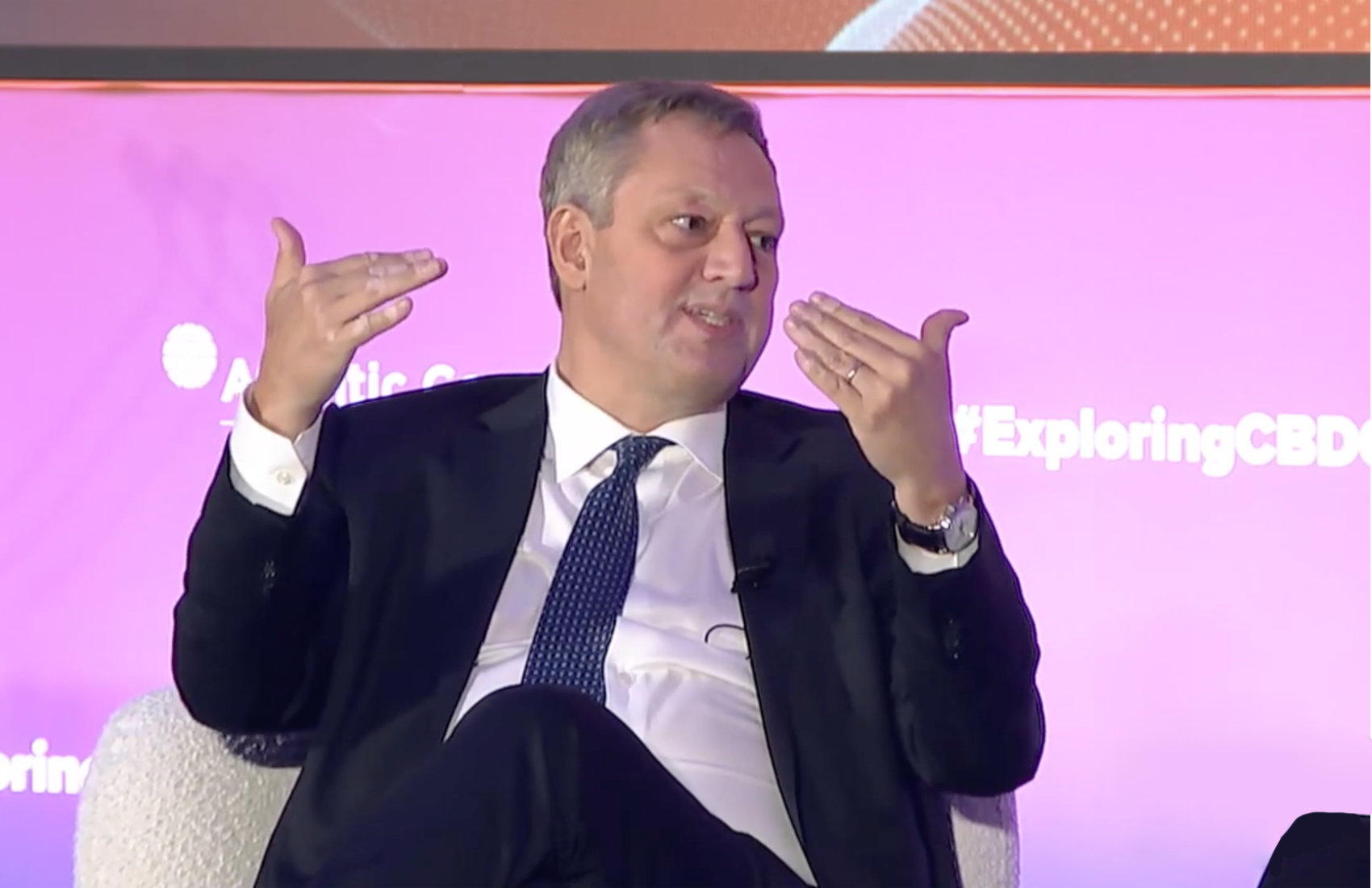
Tobias Adrian drops his IMF note, and suddenly everyone’s rethinking tokenized finance. Not as some shiny tech toy, but a trust-shifting beast that could upend everything.
Zoom out. Adrian, the IMF’s financial counselor and capital markets boss, isn’t here for the blockchain party. His paper, “Tokenized Finance,” argues tokenization rewires trust—from banks you can yell at to code that doesn’t care. Efficiency? Sure. Lower credit risk? Fractional assets for the little guy? All on the table. But without anchors like safe settlement assets, smart contract oversight, legal clarity, and global hand-holding, it’s a recipe for chaos: faster crashes, concentrated power, fragmented markets.
Why Does the IMF Obsess Over Permissioned Ledgers?
Adrian’s world? Permissioned ledgers only. Identifiable players. Override buttons. Auditable code. Authorities clutching the keys to pause the madness.
Crypto? Barely a nod. Stablecoins get a paragraph. Permissionless blockchains? Crickets. It’s like writing a book on cars and skipping the highways.
Here’s the thing—he’s building a fortress. Trust moves to shared infrastructure and programmable rules. Fine. But regulators want control points. Emergency brakes. Because who trusts code audited by the same folks who built it?
And yet. US moves fast. March joint statement from Fed, OCC, FDIC: banks can tokenize securities on permissionless chains, same capital treatment as old-school stuff. SEC nods to DTC minting tokens—even permissionless. Basel’s rethinking its 1250% risk hammer on unpermissioned assets.
Adrian omits this. Strikingly.
The omission screams. Permissionless is the wild west—Ethereum, Solana, whatever. No KYC gatekeepers. No off-switch. Adrian’s framework crumbles there.
Tokenization shifts the locus of trust from regulated institutions to shared infrastructure and programmable code.
That’s the core quote. Elegant. Terrifying for suits. But US banks? They’re strapping in anyway.
Is the IMF’s Caution Just Globalist Hand-Wringing?
Look, Adrian’s no fool. He’s shaped IMF stability policy. Tokenization could amplify shocks—speed means flash crashes on steroids. Concentration in a few protocols? One bug, and poof. Fragmentation? Siloed chains, liquidity traps.
Public anchoring, he says. Safe assets for settlement. Governance for code. Legal nets. Coordination across borders.
Sounds reasonable. Until you see the US sprinting the other way.
My take? This reeks of IMF’s permissioned bias, a historical echo of the gold standard era. Back then, central banks clung to gold-backed trust, ignoring fiat’s flexibility. Result? Great Depression rigidity. Today, permissionless tokenization is fiat 2.0—decentralized, resilient, messy. IMF wants gold. US bets on evolution.
Bold prediction: within two years, a permissionless blowup forces IMF rewrite. But by then, trillions tokenized on public chains. Too late.
US regulators smell opportunity. Banks hold tokenized treasuries on Ethereum? Real-world assets explode. BlackRock’s already in. Permissionless means composability—tokens talking to DeFi protocols, yields compounding automatically.
Risks? Yeah. But capital equivalence says banks can play. DTC’s no-action letter? Game on for tokenized stocks.
Adrian warns of instability amplifiers. Fair. But omission of US shift? That’s the real red flag. Like advising on nukes while ignoring Hiroshima.
Why Does Permissionless Scare the Suits?
Permissioned: club with a bouncer. Know your participants. Clawbacks possible. IMF loves it—fits the regulated mold.
Permissionless: open bar. Anyone joins. No take-backs without social consensus. Hacks? Immutable losses. But resilience? Battle-tested. Ethereum’s up since DAO hack, code audited to death.
Adrian assumes overrides. Crypto natives laugh. That’s the fork—governance tokens, multisigs, or pure on-chain votes.
US push ignores this. Banks get in, learn fast. Or blow up spectacularly.
Corporate spin? IMF’s note polishes the establishment view. No hype, just sober analysis. But it’s spin by silence—pretend permissionless doesn’t exist, problem solved.
Fragmentation looms largest. Tokenized bonds on one chain, equities on another. Liquidity islands. IMF’s coordination call? Pipe dream without standards.
Yet benefits beckon. Settlement in seconds, not T+2. 24/7 markets. Fractional gold for retail. Credit risk slashed via atomic swaps.
Adrian concedes gains. Demands guardrails. US says: build as you go.
Who’s right? History favors the bold. Remember internet stocks? Bust, then boom. Tokenization’s no different.
The US Permissionless Gamble: Winners and Losers
Winners: Innovators. Banks like JPM with Onyx, now eyeing public chains. Asset managers tokenizing funds.
Losers: Laggards. Pure permissioned players—R3, Hyperledger—stuck in sandbox.
IMF? Sidelined advisor. Its note influential, but not binding. G20 nods, but US leads.
Dry humor time: Adrian’s charting a path so cautious, it’s a parking lot. Meanwhile, US revs the engine.
Unique insight: this mirrors 1971 Nixon shock. Bretton Woods clung to dollar-gold peg. Nixon snapped it, unleashed fiat world. IMF wailed. We got inflation, but growth too. Tokenization’s Nixon moment—permissionless fiat for assets.
Safeguards needed? Absolutely. But not IMF’s iron fist. Oracles for off-chain truth. Insurance protocols like Nexus Mutual. DAOs for governance.
Future? Hybrid wins. Permissioned on-ramps to permissionless cores.
But ignore Adrian at peril. Instability’s real.
🧬 Related Insights
- Read more: Quantum Miners Swarm Postquant’s Testnet: The First Blockchain Crunch on Real Quantum Hardware
- Read more: AI’s Quiet Takeover: Controlling What Consumers Buy Next
Frequently Asked Questions
What is the IMF’s stance on tokenization?
Cautious. Sees efficiency but demands public safeguards, governance, and coordination to manage risks like speed and fragmentation.
Can US banks use permissionless blockchains for tokenized assets?
Yes, per recent Fed, OCC, FDIC guidance—treated like traditional securities for capital rules.
Will tokenization destabilize finance?
Potentially, warns IMF, without anchors. But US push suggests controlled risks.