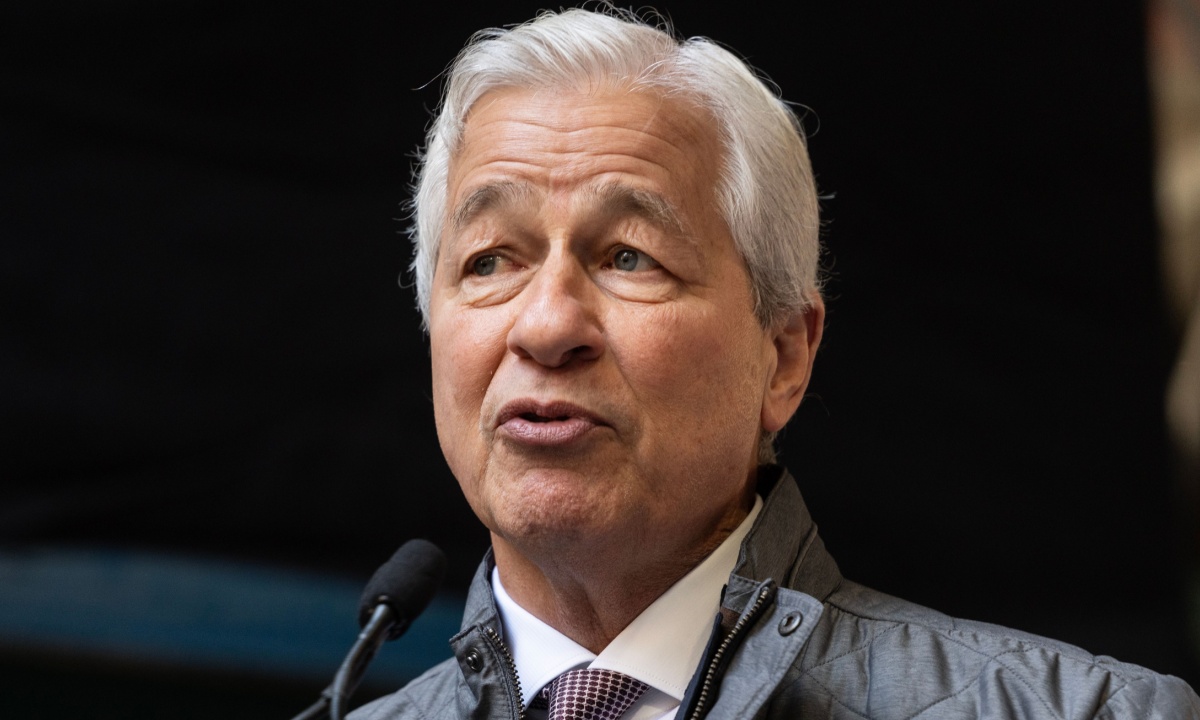
Everyone expected Jamie Dimon and JPMorgan Chase to keep doing what they always do: grow internally, organically. Build it themselves. That’s been the mantra. Payments, banking, investment—you name it. But now? The tune’s shifted. Slightly. But enough to make the market prick up its ears.
“But, yes, looking at acquisitions is important,” Dimon declared. He also tossed in that it “keeps you quite smart.” Smart? Or just hungry for a new toy? The bank, he suggests, might actually be on the lookout. Finally, a break from the relentless ‘build, build, build’ sermon.
The Price Tag Problem
Here’s the thing: Dimon’s not exactly known for his impulsive spending. He’s talking about opportunities, sure, but they have to “make sense.” None of this “pie in the sky” nonsense. Whatever they snag, it’s gotta integrate. Enhance the business. They’ll even “explain to you why we think it’s a great purchase.” Like we’re children.
But there’s a massive asterisk here: asset prices. “I’m not that fond of buying stock at these prices, or companies,” he admits. So, they’ve got piles of cash—think $40 billion to $50 billion of excess capital, thanks to the hyperscalers and governments practically begging for large financial institutions to handle their problems. But this cash isn’t about to be frittered away on some overpriced fintech darling. JPM is “quite patient.” The capital can just sit there. No sweat.
Is This Just More Corporate Talk?
We’ve heard this song and dance before. Banks always say they’re open to M&A. It’s the standard PR playbook. But Dimon’s hinting at a real shift. He’s not just talking about internal investment—though they are busy opening branches and renovating the old ones. That’s the steady, predictable move. This acquisition talk feels different. It’s a sign that maybe, just maybe, organic growth alone isn’t enough anymore. Or, more likely, that certain attractive assets are becoming too expensive to build from scratch.
Think about it. The fintech boom has been on for years. Many of the truly innovative disruptors are now mature companies. Some are struggling. Some are ripe for the picking. JPMorgan, flush with cash, could be eyeing those that fit their grand plan. But the price is the kicker. They aren’t going to overpay. This isn’t a desperate grab; it’s a calculated chess move.
“It keeps you quite smart, and I do think there might be opportunities. So, we are on the lookout, but it’s got to make sense, it can’t just be a pie in the sky type of thing.”
This quote sums it up perfectly. It’s not a blank check. It’s a strategic search for the right fit, at the right price. And that price is currently too high for Dimon’s liking.
Why Does JPMorgan Chase Need Acquisitions Now?
The immediate answer is: they’ve got the capital. Dimon mentioned the bank could end up with a massive surplus of cash. That kind of money needs to go somewhere. Reinvesting in the business is one option—and they’re doing it with branches. But acquisitions can accelerate growth, bring in new technology, or eliminate a competitor much faster than building it in-house. Especially in areas where JPM might be lagging or sees a strategic advantage in owning. Payments, for instance, is a constant battleground.
Furthermore, the sheer scale of JPMorgan Chase means that any acquisition needs to be substantial enough to move the needle. They’re not buying a cute little app. They’re looking for companies that can absorb into their colossal structure and add significant value. This requires meticulous due diligence and a very, very clear understanding of how the acquired entity will function within the JPM ecosystem. It’s about strategic integration, not just adding to the portfolio.
But the underlying tension remains. Dimon is a builder. He loves building. So this shift, however slight, is noteworthy. It signals a recognition that sometimes, the fastest or best way to achieve strategic goals is through acquisition. It’s a mature company recognizing its limitations, or perhaps, its opportunities.
The Quiet Patience Game
What’s most telling is the emphasis on patience. They aren’t going to rush. They’ve got capital sitting there, earning… well, whatever it earns. It’s not burning a hole. This isn’t a desperate scramble. It’s a deliberate strategy. They’ll wait for the right deal. The right asset. The right price. This is the hallmark of a well-managed giant, not a panicked startup. They’re playing the long game, as always. And if that means waiting for asset prices to cool off, so be it.
🧬 Related Insights
- Read more: BNPL Shifts: Checkout Trick to Credit Union Lifeline?
- Read more: Feedzai’s RiskFM: AI’s Bold Leap Against Evolving Financial Crime
Frequently Asked Questions
What kind of companies is JPMorgan Chase looking to acquire? JPMorgan Chase is looking for acquisitions that can integrate into its existing business and enhance its operations, rather than just speculative ventures. The focus is on strategic fit and value enhancement.
Will JPMorgan Chase overpay for acquisitions? No, Jamie Dimon has explicitly stated he is not fond of buying companies at high prices and emphasizes patience with capital, indicating they will not overpay.
Is JPMorgan Chase abandoning its organic growth strategy? Not entirely. JPMorgan Chase believes it can grow every business internally, organically. However, they are also open to acquisitions if the right opportunity arises and makes strategic sense.