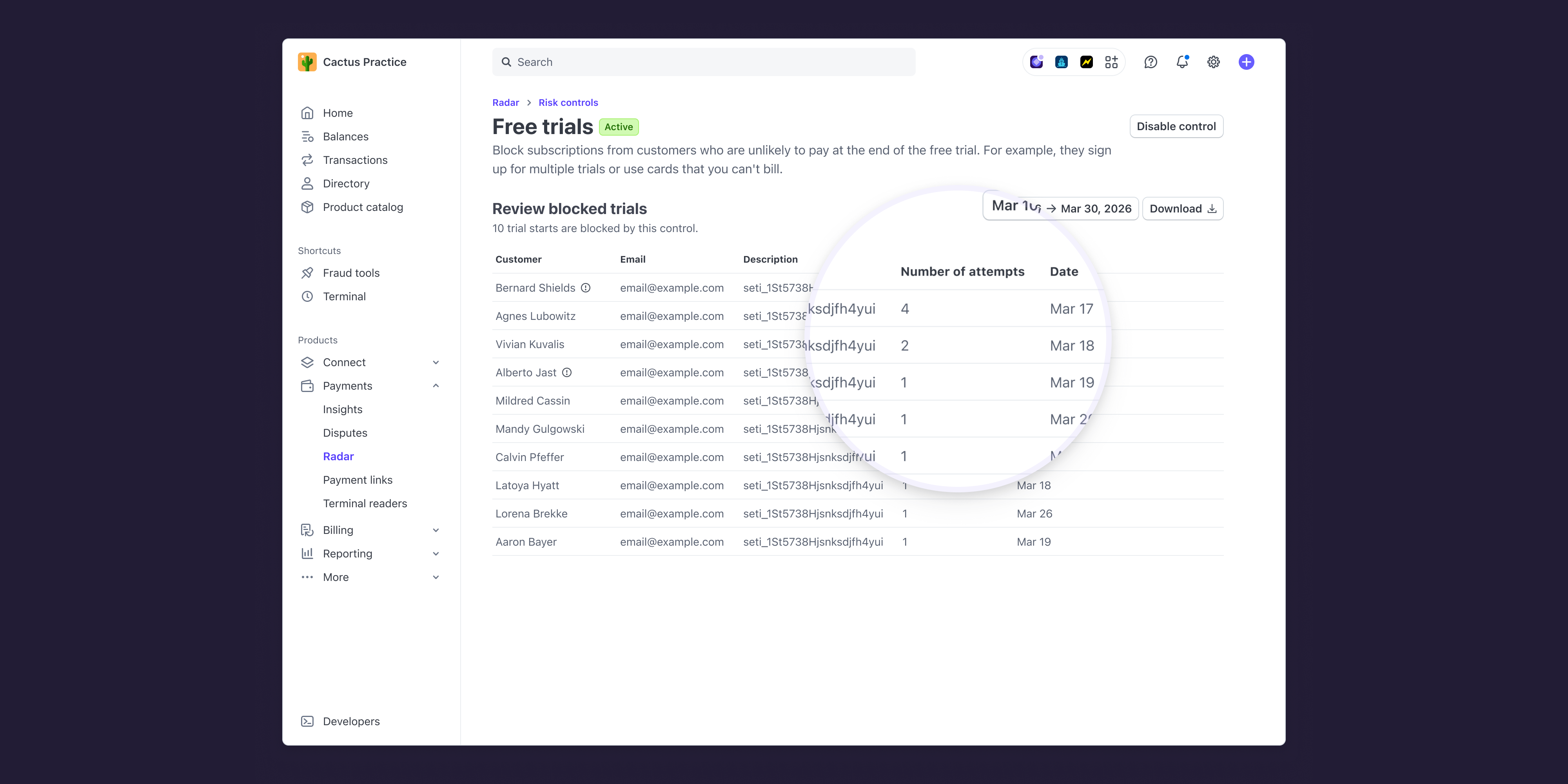
Free trial abuse isn’t just accelerating. It’s detonating. We’re talking a 6.2x surge in just a few months. From November 2025 to February 2026, Stripe’s network saw a dizzying spike in fake sign-ups. This isn’t some niche problem. It’s a full-blown digital plague.
And who’s the prime target these days? AI companies. Naturally. They run on compute power that costs more than your average private jet fuel. Free trials are their golden goose for customer acquisition, which makes them a buffet for bad actors. These aren’t your granddad’s phishers; they’re sophisticated digital bandits. They milk trials, use fake payment info, and vanish before anyone notices.
The numbers are stark. AI startups offering self-serve access and direct API connections? They’re seeing 10 times the abuse of their enterprise cousins. It’s a free-for-all in the land of artificial intelligence. But don’t think this is just an AI problem. SaaS, marketplaces — anyone offering a taste of free is on the menu.
The One-Click Fix (Supposedly)
So, what’s the cavalry? Stripe Radar. Their AI-powered fraud tool now claims to stop this mess. With a single click, supposedly. It predicts abusive behavior with 90% accuracy. Think repeat sign-ups, missed cancellations. Basic stuff, but apparently harder than rocket science to catch until now.
This new model is fed by a firehose of data: payment instruments, device info, and historical payment patterns. They can see if your card has been used for past trial scams. They know virtual card brands. They flag dodgy email domains. It’s a digital dragnet. Suspicious session timing, weird card characteristics — it all adds up.
Cursor, an AI company, is already on board. They’re blocking high-risk trials before the compute costs mount. That’s the dream, right? Block the dirtbags, save the dough.
In a mere two months, four high-growth AI businesses using this feature blocked over 550,000 trials. That’s an estimated $4.4 million saved in compute costs alone. Four million dollars. Just by flicking a switch. If that doesn’t make you want to hit that switch, nothing will.
Our free trial abuse solution is available to all businesses, making Radar more effective at identifying and blocking first-party fraud regardless of your industry or business model.
Is This Too Good to Be True?
Stripe Radar’s move here is predictable. Fraudsters adapt. So do the tools designed to catch them. What’s interesting is the sheer scale of the free trial abuse increase. It signals a shift. Businesses relying on free access are now a primary vector for exploitation. It’s not just about stealing money anymore; it’s about draining resources.
We’ve seen this movie before. Every time a new technology offers a taste of value without immediate cost, the exploiters descend. Think early days of software, then cloud services. Now it’s compute cycles for AI. It’s a pattern as old as commerce itself. The only difference is the speed and the stakes.
Stripe’s PR spin is, of course, optimistic. “One click.” “Helping prevent abuse.” But the real test is deployment. How many false positives? How much friction for legitimate users? These AI companies are running on fumes, burning cash with every inference. If Radar slows down legitimate users, it becomes another problem.
And let’s not forget the underlying issue: the economics of AI. These models are expensive. Free trials, while a necessary customer acquisition tool, are inherently vulnerable. The question isn’t if they’ll be abused, but how severely. Stripe’s new tool attempts to draw a line in the sand. Whether that line holds is another story entirely.
🧬 Related Insights
- Read more: Citi’s AI Adviser: Genius or Just More Buzz?
- Read more: Solana’s ‘AI Economy’ Pivot: Beyond Humans?
Frequently Asked Questions
What exactly is free trial abuse? Free trial abuse happens when individuals or groups repeatedly sign up for free trial periods offered by businesses, often using fake or stolen payment information, with no intention of becoming paying customers. They exploit the service for its resources, driving up costs for the provider.
How much has free trial abuse increased? Stripe’s data shows a 6.2x increase in detected abusive free trials across their network between November 2025 and February 2026.
Can Stripe Radar prevent all free trial abuse? Stripe Radar predicts the presence of abusive behavior with 90% accuracy and helps prevent it. However, no system is 100% foolproof against all sophisticated fraud attempts.