Hana Bank's $670M Upbit Stake: Crypto Consolidation or Overreach?
Hana Bank is betting big on crypto, injecting $670 million into Upbit's parent company, Dunamu. Is this a savvy diversification or a high-stakes gamble?

Solana's treasury firm DeFi Development Corp has posted an astonishing 108% annual growth in SOL per share. The secret? 'Unconventional' strategies that reportedly sync perfectly with the Solana ecosystem.
Exodus, the crypto wallet giant, just shed a significant chunk of its Bitcoin reserves. The goal? To bankroll an ambitious push into the payments sector.
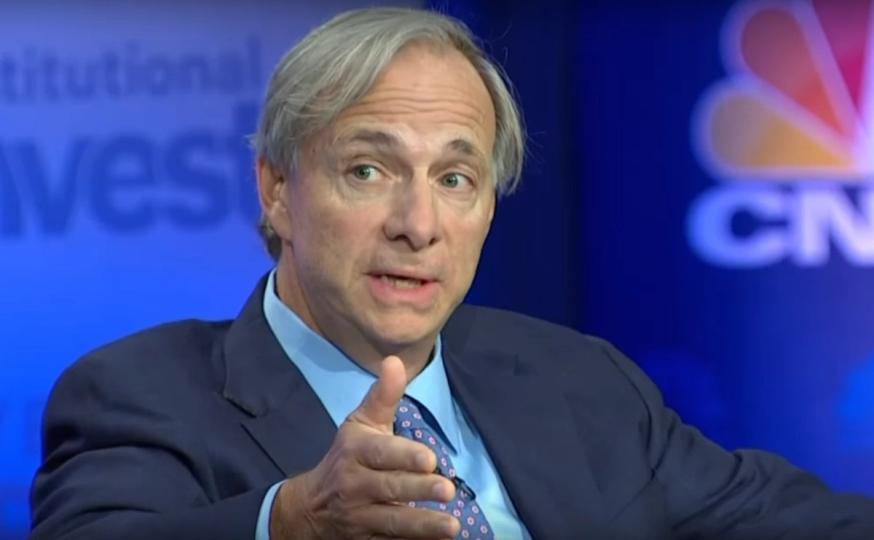
Ray Dalio, a noted Bitcoin investor, argues the cryptocurrency's inherent transparency, not its volatility, is the primary barrier to central bank adoption. He also highlights its correlation with tech stocks and limited market size as key drawbacks compared to gold.
The Bank of England Governor Andrew Bailey isn't mincing words. He sees a global "wrestle" brewing over stablecoin regulation, and the US is squarely in his crosshairs.
The grand plan to make Bitcoin a national reserve asset alongside gold in Switzerland just crashed and burned. Turns out, gathering 100,000 signatures is harder than it looks, especially when the central bank isn't exactly thrilled.
A shocking indictment in Taiwan alleges a news anchor accepted cryptocurrency from an "overseas hostile force" to produce propaganda and bribe soldiers. This case pulls back the curtain on how digital assets can be weaponized in geopolitical information warfare.
Kraken is inching closer to its public debut, reporting '80% ready' for an IPO. Simultaneously, a bold new partnership with MoneyGram aims to smash the barriers between digital assets and everyday cash.
The Digital Chamber is pushing back on the SEC and CFTC's latest crypto guidance, demanding more clarity on what constitutes an 'investment contract' and how decentralized protocols should be treated. This isn't just semantics; it's about who makes money and how.
OxPay is planting its flag in Bhutan with a crypto-payments license. It's a bold move, aiming to smooth cross-border transactions via stablecoins. The question is, can this 'asset-light' dream survive actual commerce?
Just when the crypto industry thought it might get a friendly ear in Washington, a new poll suggests a significant chunk of American voters aren't buying it. The findings cast a shadow over the Trump administration's ambitious crypto agenda.
Brazil just slammed the door shut on stablecoins and crypto for cross-border payments. The central bank's move signals a clear regulatory stance, but what's the real architecture behind this decision?