Ever wonder who’s really building the plumbing for the digital dollar, beyond the breathless announcements from the behemoths? It turns out, sometimes it’s a forty-year-old bank from Texas, quietly rerouting its entire operational DNA to become the unexpected bridge between crypto’s wild frontier and the staid halls of American finance.
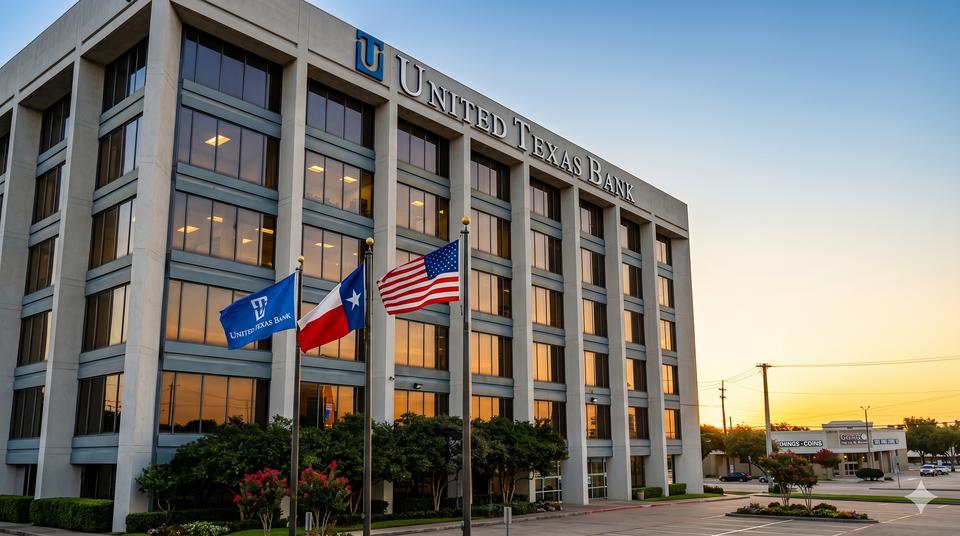
United Texas Bank (UTB), a name likely unfamiliar to most outside a specific crypto niche, just pulled off a move that’s got people whispering: it’s converted from a state-chartered institution to a nationally chartered one, greenlit by the Office of the Comptroller of the Currency (OCC). This isn’t just a nameplate change; it’s a fundamental architectural shift, granting UTB the same federal heft as Bank of America or JPMorgan Chase, but with a decidedly crypto-friendly chassis.
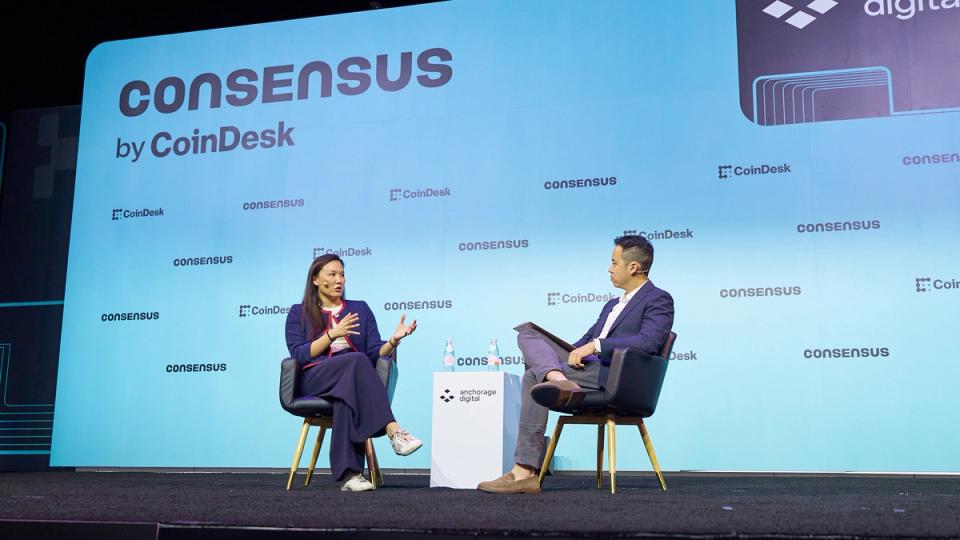
Here’s the thing: while Wall Street firms are still debating whether to dip a toe into the digital asset pool, UTB has been wading in the deep end for years, clearing a staggering $10 billion a month in dollar volume for global crypto players. Their CEO, Scott Beck, practically scoffs at the legacy institutions, telling CoinDesk they’re still “tiptoeing.” UTB, on the other hand, is building express lanes.
The backstory here is crucial. UTB has been operating under a Federal Reserve Consent Order since 2024, a situation that might make lesser banks retreat. Instead, UTB’s leadership framed it as a mandate. “Rather than viewing that as a setback, we treated it as a mandate to build something exceptional, and we did,” Beck stated. The result? UTB Prism Sentinel, their proprietary Bank Secrecy Act (BSA) and Anti-Money Laundering (AML) compliance platform. This isn’t just ticking boxes; it’s a foundational piece for earning national trust, especially when your clientele operates in a perpetually scrutinized sector.
This OCC conversion isn’t just another charter. Beck claims it’s a U.S. first for a bank moving to the national stage with direct Federal Reserve access for wires and ACH, all while retaining FDIC insurance. It’s about bypassing the fragmented, often hostile regulatory terrain that has historically throttled crypto firms. Think of it as upgrading from a dirt road to a superhighway, directly connecting to the national financial network.
The AI-Powered Payments Gambit
But the real headline grabber is UTB Atomic, their new 24/7 AI-driven payments network. Paired with their Sentinel compliance platform, it’s a not-so-subtle play to capture global digital dollar volumes. This isn’t just about faster payments; it’s about liquidity, round-the-clock access, and anticipating the next wave of digital asset regulations. The AI angle here isn’t just buzzword bingo; it hints at sophisticated risk management, fraud detection, and the ability to process transactions at speeds and volumes previously unimaginable in traditional banking for this specific asset class.
This move places UTB directly in competition with, and potentially as a crucial facilitator for, the broader financial system’s engagement with digital assets. It’s a bet that the future of finance isn’t just about traditional dollars moving through old rails, but about digital assets – especially stablecoins and other tokenized value – needing a strong, regulated, and — dare I say — accessible on-ramp. UTB is positioning itself as that on-ramp, one that doesn’t require a handshake from a Bank of America executive who might be replaced next quarter.
Is This the Real ‘Crypto Bridge’ We’ve Been Waiting For?
For years, the crypto industry has grappled with the “bank problem.” Startups couldn’t get accounts at major banks, leaving them reliant on less regulated, often volatile, digital asset custodians. UTB’s pivot, especially with its stated goal of providing “full access to the U.S. dollar” for digital asset players, could be a seismic shift. It’s an acknowledgement from a federally chartered bank that the $120 billion in annual transactions they’re already handling for crypto firms is not a fringe activity, but a core component of future financial flows.
This isn’t just about Texas. Minnesota is also making moves, allowing state banks and credit unions to offer crypto custody services. The regulatory landscape is starting to fragment and coalesce in strange ways. UTB’s national charter is a deliberate attempt to sidestep that fragmentation by planting its flag squarely under the federal banner, offering a more unified and, crucially, accessible pathway for crypto firms looking to integrate with the U.S. financial system.
Consider the broader implications: If UTB can successfully execute its AI-driven payment rails and compliance platform, it sets a precedent. It might force traditional banks, who have been content to watch from the sidelines or offer custodied solutions that don’t touch the core banking infrastructure, to either play catch-up or risk being bypassed by a more agile, purpose-built competitor.
The real insight here isn’t just that a bank is getting into crypto. It’s that a bank, facing regulatory scrutiny, has decided to fundamentally architect itself around the needs of the digital asset economy, using AI as a core operational pillar and seeking a federal charter that grants it direct, powerful access to the very systems Wall Street has long controlled. This is less about Wall Street getting a new rival, and more about the financial plumbing itself undergoing a quiet but profound retooling, with Texas at its heart.
“The concept for United Texas Bank is a centralized value hub. If you’re a digital asset player, you can’t get an account at a Bank of America or a Citibank. You can come to United Texas Bank and basically have full access to the U.S. dollar.”
This isn’t a small thing. It’s a declaration that the future of financial infrastructure might not be built by the old guard alone, but by those willing to embrace the new, integrate it, and build the rails for it. UTB’s gamble, backed by its new national charter and AI-powered ambitions, could very well redefine what it means to be a modern U.S. bank in the digital asset age.
🧬 Related Insights
- Read more: Regulators Scrutinize Credit Ratings: Methodology Under Fire
- Read more: White House Opens Payment Rails to FinTech: What It Means
Frequently Asked Questions
What does United Texas Bank actually do now? United Texas Bank has converted to a national charter, allowing it to offer a full range of banking services with direct access to Federal Reserve payment systems. It’s specifically positioning itself as a bridge for cryptocurrency firms to access U.S. dollar services and is launching an AI-driven payment network called UTB Atomic.
Will this replace traditional banks? It’s unlikely to replace traditional banks entirely, but it aims to capture a significant portion of the digital asset market share. UTB is offering services that many large, traditional banks are hesitant or unable to provide to crypto businesses, potentially creating a parallel or integrated financial ecosystem.
How does AI play a role in UTB’s strategy? UTB is leveraging AI for its UTB Atomic payment network to enable 24/7, real-time processing and liquidity for digital asset transactions. AI is also implied in their UTB Prism Sentinel compliance platform for enhanced BSA/AML monitoring and risk management, aiming for more efficient and sophisticated regulatory adherence.