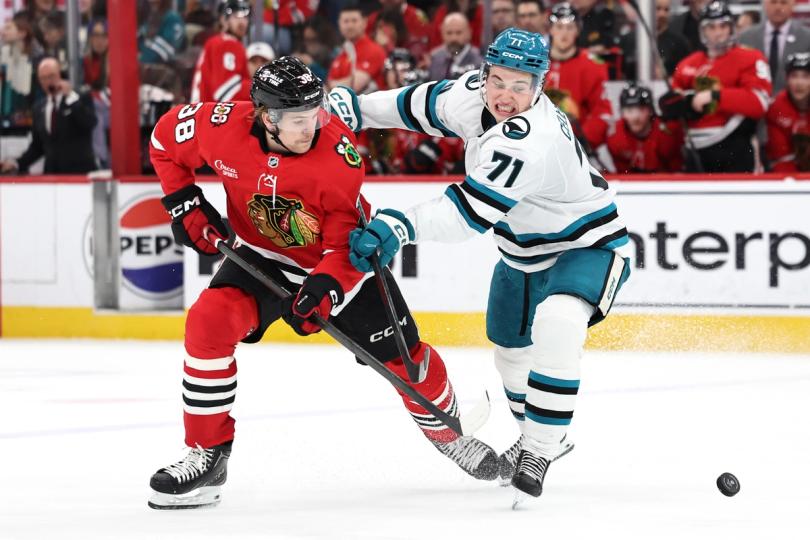
Here we are, in the thick of it. The NHL playoffs are roaring, pucks are flying, and behind the scenes, a quiet but monumental shift is underway. The U.S. Commodity Futures Trading Commission, that unflappable guardian of derivatives, has just struck a deal with the National Hockey League. This isn’t about scoring goals; it’s about safeguarding the very foundations of prediction markets, ensuring they don’t become the Wild West of digital wagering.
Think of it like this: prediction markets are the new digital arenas where people bet on future events – anything from election outcomes to, yes, even the weather. They’re booming, and that growth, as it often does with disruptive tech, has attracted a spotlight. Not all of it friendly. Lawmakers are raising eyebrows, fearing bad actors might exploit these platforms, casting doubt on the integrity of sports and everything else.
So, what’s the play? A memorandum of understanding. This MOU, identical in spirit to the one struck with Major League Baseball not too long ago, is a handshake between sports leagues and the regulator. It means the NHL will now share information with the CFTC related to betting on events tied to its games. It’s like giving the referee a direct line to the stats crew in real-time.
Safeguarding the Game’s Integrity
Chairman Mike Selig of the CFTC has been on a mission, really pushing for these partnerships across all major sports leagues. He sees this as more than just a regulatory checkbox; it’s about building trust. He’s been vocal about wanting to foster the prediction market industry while also acting as its sole, vigilant regulator.
“This agreement is another step toward safeguarding the integrity of sports and protecting market participants in prediction markets from insider trading, fraud, and other abuses.”
That’s the core of it. No one wants a repeat of scandals that have plagued traditional sports betting. With prediction markets, the stakes are arguably even higher because they touch on a broader spectrum of events, blurring lines between entertainment and finance in ways we’re still trying to fully grasp.
NHL Commissioner Gary Bettman chimed in, and his words are worth noting, echoing the sentiment of protecting the game. “Integrity has always been and remains paramount to the NHL and fundamental to the trust our fans and partners place in our game,” he stated. The agreement, he added, “enhances the comprehensive integrity monitoring systems already in place and strengthens our ability to identify, deter, and address potential risks.”
This isn’t just about catching cheaters; it’s about prevention. It’s about creating an ecosystem where transparency is the default, not an afterthought. The MOU specifies that the league and the regulator will “endeavor to share information, upon request, regarding the integrity of professional hockey and the event contract markets related thereto or other matters deemed appropriate.” That’s a fairly broad mandate, opening the door for collaboration on all sorts of potential issues.
Why Does This Matter for the Future of Prediction Markets?
This push for regulatory clarity and cooperation is, in my view, absolutely critical. It feels like we’re witnessing the birth pangs of a new platform – AI, but applied to information aggregation and predictive analysis. Prediction markets, in essence, are crowdsourced AI, distilling vast amounts of public knowledge and sentiment into discernible probabilities. When you have a regulator like the CFTC proactively engaging with major sports leagues, it signals that these aren’t just niche curiosities anymore. They’re becoming integrated into the broader financial and informational landscape.
It’s a bit like the early days of the internet. You had this incredible new technology, but nobody was quite sure how to regulate it, how to ensure fair play. We saw the dot-com bubble, the rise of e-commerce, and the subsequent need for consumer protection. This is that moment for prediction markets. The deals with MLB and the NHL aren’t just about sports integrity; they’re about building the guardrails for a technology that could fundamentally change how we understand and interact with future probabilities.
What’s fascinating is the potential for these markets to become incredibly sophisticated, acting as early warning systems for everything from economic shifts to technological breakthroughs. But that sophistication demands a parallel sophistication in oversight. The CFTC’s proactive approach, rather than waiting for a major crisis, is exactly the kind of forward-thinking regulation needed to ensure these powerful tools are used for good.
Is This a New Paradigm Shift?
Absolutely. This isn’t just another regulatory update; it’s a signpost indicating a fundamental platform shift is underway. We’re moving beyond simple financial derivatives into markets that predict the very fabric of future events. The convergence of sports, regulation, and predictive analytics is creating a fertile ground for innovation, but also for potential pitfalls. The CFTC’s engagement with the NHL shows a clear understanding that these markets are deeply intertwined with public trust and market integrity.
It’s an exciting time. The very act of betting on outcomes forces a kind of real-time data synthesis that traditional forecasting struggles to match. And when you add strong oversight, you create a virtuous cycle: increased trust leads to more participation, which leads to better data, which leads to more accurate predictions. It’s a feedback loop that could prove incredibly valuable.
The fear, of course, is that over-regulation could stifle innovation. But here, the CFTC seems to be walking a fine line, working with the industries involved. This collaborative approach is key. It’s not an adversarial stance, but one of partnership aimed at mutual benefit – safeguarding markets while allowing them to flourish.
Think of the early days of the stock market. It was a chaotic, often untrustworthy environment until regulatory bodies like the SEC stepped in to create rules and protections. This is the prediction market equivalent. The NHL and MLB deals are building blocks, laying the foundation for a more mature and reliable prediction market ecosystem. It’s a proof to how quickly these platforms are evolving from niche curiosities to integral parts of our informational infrastructure.
Looking Ahead
This partnership between the NHL and the CFTC is more than just a headline; it’s a critical step in the maturation of prediction markets. As these platforms evolve, so too must the frameworks that govern them. The embrace of collaboration over confrontation by both sides suggests a future where prediction markets can indeed serve as valuable tools for understanding and navigating the uncertainties of tomorrow, without compromising the integrity of the present.
The question now becomes: which league is next? And how will this template evolve as prediction markets encompass even more diverse and complex events?