Ever stop to think about what happens when the digital wild west starts building its own casinos? No, not just slot machines and poker tables, but places where you can bet on anything – from election outcomes to the next big tech breakthrough.
Well, brace yourselves, because Gemini just made a giant leap towards building just that.
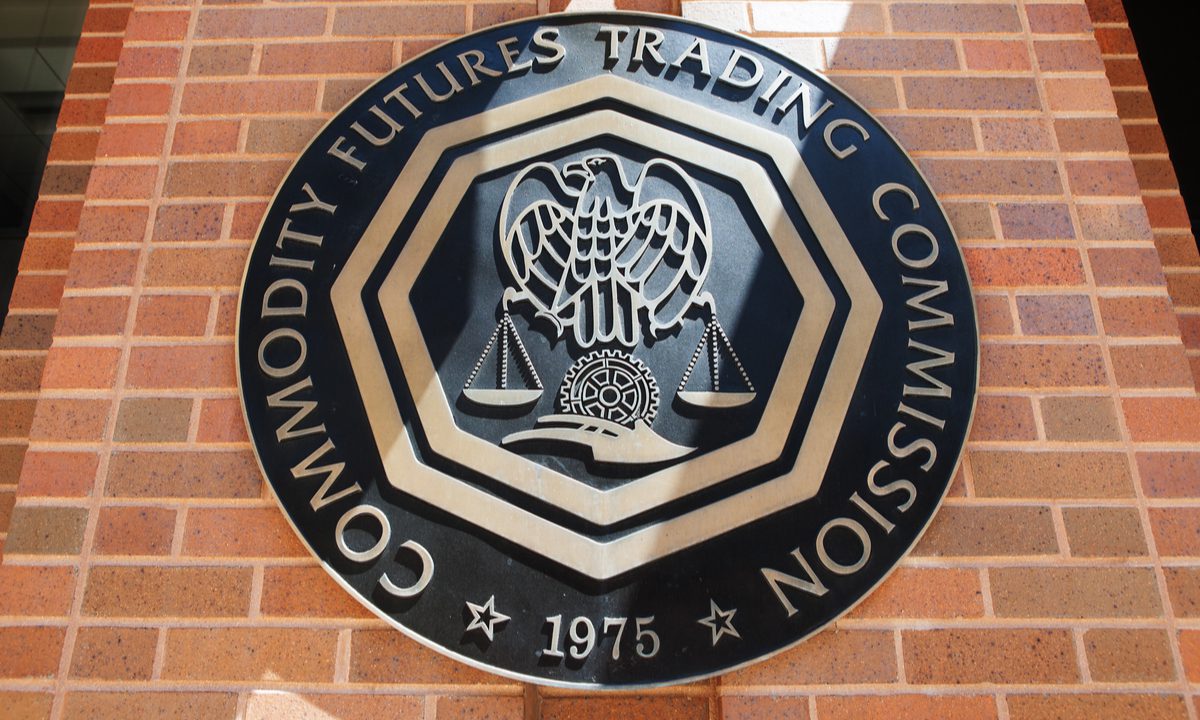
The Winklevoss twins’ crypto exchange, Gemini, has officially secured a derivatives clearinghouse (DCO) license from the U.S. Commodity Futures Trading Commission (CFTC). Now, this isn’t just another regulatory hoop they’ve jumped through. This is them strapping rocket boosters onto their ambition, aiming squarely at the burgeoning prediction market sector.
Think of it this way: until now, Gemini was like a brilliant chef who could only serve appetizers. They had the ingredients, they had the skills, but they were reliant on others to actually cook and serve the main course. This DCO license? That’s them finally getting their own full-service kitchen, complete with the ovens, the fryers, and the seating for a hundred discerning diners. They can now clear and settle their own derivatives and, crucially, their own prediction-market trades. That means more control, faster innovation, and a direct line to scaling up.
And scale they will, because prediction markets are absolutely exploding. We’re not talking about small, niche communities anymore. We’re seeing trading volumes in 2025 that are frankly mind-boggling – over 300% growth to a staggering $63.5 billion! It’s like the market realized it had a collective crystal ball and decided to start monetizing it.
This isn’t just a crypto play. Wall Street is sniffing around too. There’s talk of exchange-traded funds (ETFs) tied to prediction markets rolling out as soon as May 5th. Imagine, your grandma could soon be investing in the likelihood of AI achieving sentience. That’s the level we’re talking about.
Gemini’s move, coupled with their existing designated contract market (DCM) authorization from the CFTC (which they snagged back in December), essentially means they’re building out a complete U.S. trading ecosystem. Sports, crypto, futures, options, event-based contracts – the whole nine yards. They’re not just dipping their toes in; they’re diving headfirst into a sector that’s rapidly becoming a new frontier for financial innovation.
It’s fascinating, really, how this mirrors other platform shifts we’ve seen. Remember when personal computers were just fancy typewriters? Then they became communication hubs, then entertainment centers, then the engines of global commerce. AI is doing that now, and prediction markets? They’re the ultimate expression of quantified human insight, a way to crowdsource and price probability itself. Gemini’s bet is that these markets will eventually rival, or even surpass, today’s capital markets. That’s a bold claim, but the early numbers are certainly shouting it from the rooftops.
This decision also underlines Gemini’s renewed focus on the U.S. market. They’ve been strategically exiting operations in the U.K., EU, and Australia, and trimming staff, all while doubling down on their home turf. As the Winklevoss twins put it, “America has the world’s greatest capital markets and America has always been where it’s at for Gemini.” They see the U.S. as the fertile ground for this ambitious vision. It’s a calculated gamble, certainly, but one that seems to be paying off already, with Gemini shares reportedly jumping about 7% on the news. That’s the market’s immediate vote of confidence.
But here’s the kicker, and the unique insight: Gemini isn’t just entering the prediction market race; they’re actively trying to redefine it by building the rails for regulated, in-house clearing and settlement. Most of the current players, like Kalshi and Polymarket, operate in a slightly different regulatory space. Gemini, with these new licenses, is essentially aiming to become the institutional-grade, regulated backbone for this entire burgeoning industry. It’s like the difference between a pop-up carnival and a permanently established, NASDAQ-listed exchange for future events.
This isn’t just about betting on who wins the next Super Bowl. This is about a fundamental shift in how we aggregate, price, and trade collective knowledge. Imagine being able to get a market price on the probability of a specific scientific breakthrough, or the likelihood of a geopolitical event resolving peacefully. Gemini is positioning itself to be the infrastructure provider for this new reality, and that’s where the real, long-term potential lies.
“Today marks a major milestone in Gemini’s marketplace expansion.”
Cameron Winklevoss’s statement, framing this as part of a broader push toward a “super app” for financial services, is key. They’re not just building a prediction market; they’re building a platform where users can manage all sorts of financial bets and derivatives. It’s about turning collective intelligence into liquid capital, all under one roof.
The question now isn’t if prediction markets will grow, but who will own the infrastructure and the liquidity. Gemini’s regulatory wins put them in a very strong position to be that player in the U.S.
Why This Matters for the Future of Investing
This move by Gemini isn’t just another headline in the often-turbulent crypto world. It’s a signal flare, illuminating a path forward for financial innovation that’s deeply intertwined with artificial intelligence and the collective wisdom of crowds.
For years, we’ve talked about AI as a tool for analysis. But what if AI becomes a generator of tradable insights? Prediction markets, fueled by vast datasets and sophisticated AI algorithms, can essentially create real-time probabilities for almost any conceivable future event. Gemini’s infrastructure could become the engine that powers this new form of asset creation and trading.
Think about it: instead of traditional financial analysts, we’ll have AI models that can process global news, scientific papers, and social media sentiment to generate a market price for, say, the likelihood of climate change reaching a certain tipping point by 2050. Gemini, with its licenses, could then provide the regulated venue for trading those probabilities. It’s a profound evolution from mere speculation to a highly sophisticated form of quantified foresight.
And for those who dismiss prediction markets as glorified gambling? They’re missing the forest for the trees. These markets, at their best, are powerful information aggregation tools. They can provide highly accurate forecasts on everything from economic indicators to disease outbreaks. By bringing institutional-grade regulation and infrastructure, Gemini is aiming to legitimize and scale this capability, making it accessible to a wider range of investors and institutions.
This is the future of how we’ll price risk and opportunity. It’s a future where the collective, informed opinion of humanity—amplified and refined by AI—becomes a tangible, tradable asset class. Gemini just bought a significant piece of that future.
🧬 Related Insights
- Read more: White-Label Banking Platforms: Building a Bank Without a Banking License
- Read more: Bank of Korea Wants Crypto Circuit Breakers After Bithumb Blunder
Frequently Asked Questions
Will Gemini’s prediction markets replace traditional stock markets? Gemini’s prediction markets are unlikely to replace traditional stock markets entirely, but they offer a new avenue for trading on future events and probabilities, complementing existing financial instruments.
What’s the difference between Gemini’s prediction market and a sportsbook? While both involve betting on outcomes, prediction markets aim to forecast real-world events with an emphasis on information aggregation and hedging, rather than pure entertainment. Gemini’s regulated approach adds a layer of institutional legitimacy.
Is this move by Gemini good for crypto regulation? Gemini’s successful acquisition of a DCO license and its expansion into regulated derivatives and prediction markets can be seen as a positive step for crypto regulation, demonstrating that established regulatory frameworks can accommodate innovative digital assets.