So, MoonPay’s gone and done it. They’re ditching the digital storefront for banks and fintechs, promising them a shiny new one-stop shop for tokenized assets and DeFi. Call it MoonPay Trade.
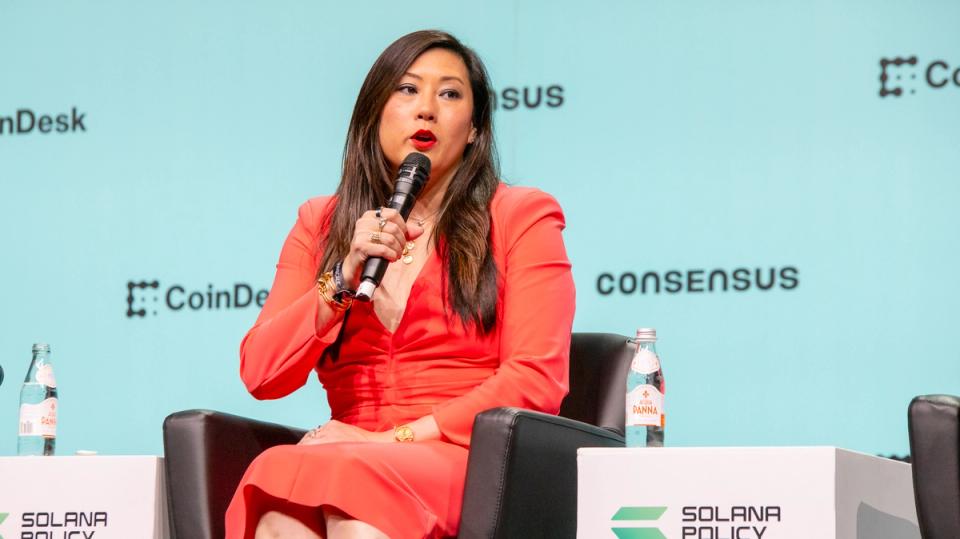
This isn’t just about buying Bitcoin anymore. This is about dipping institutional toes into the wild west of on-chain finance. Stablecoins, tokenized funds, yield-generating protocols – it’s all on the menu. Apparently, “every major financial institution is building a tokenized asset strategy,” according to Caroline Pham, who heads up MoonPay Institutional. It’s a bold claim, and this platform is designed to be their compliant gateway.
Beneath the hood is Decent.xyz, a cross-chain startup MoonPay gobbled up for a pretty penny. Smart move, if you can stomach the price tag. They’re aiming to route transactions across more than 200 blockchains. That’s ambitious. And maybe a little terrifying.
This expansion isn’t happening in a vacuum. Tokenization is the shiny new toy on Wall Street, with real-world assets already valued in the tens of billions and projected to hit nearly $19 trillion by 2033. BlackRock, Franklin Templeton, JPMorgan – they’re all playing the tokenization game. Stablecoins are already the plumbing for a lot of this activity.
MoonPay Trade will act as the operational arm for MoonPay Institutional. Think of it as the high-minded strategy meeting with the actual boots-on-the-ground execution. They’re talking about subscriptions for tokenized funds, collateral transfers, and integrations with DeFi lending giants like Aave and Maple Finance. Earn yield, borrow against digital assets – the usual DeFi song and dance, but hopefully with fewer rug pulls.
The company’s been on an acquisition spree, buying up trading infrastructure providers and security startups. It’s clear they’re building more than just a payment gateway. They want to be the plumbing for the new financial system. It’s a risky gambit. Traditional finance is slow, regulated, and risk-averse. DeFi is, well, not. Bridging that gap without sacrificing speed or introducing new systemic risks is the perennial unicorn hunt.
Are Banks Really Ready for This Kind of On-Chain Action?
Banks are notoriously cautious. They operate under a thick blanket of regulation and compliance. Offering DeFi yield, even through a seemingly regulated interface, feels like asking a goldfish to swim in a shark tank. While MoonPay promises “full compliance,” the inherent volatility and smart contract risks of DeFi remain. This platform essentially acts as an intermediary, but the underlying risks don’t magically disappear. It’s like selling a luxury yacht with a built-in emergency escape pod – you hope you never need it, but the fact that it’s there is…telling.
Look, MoonPay has been around the block in the crypto payments space. They know how to handle volume. But institutional finance? That’s a different beast entirely. They’ve acquired a string of companies – DFlow, Sodot, Meso, Helio. This isn’t just tinkering; it’s a deliberate push into becoming a foundational layer for institutional crypto. The question is whether the market is mature enough for this, and more importantly, if MoonPay can maintain its own operational integrity while navigating these complex waters. Their previous acquisitions signal a desire to own more of the value chain, which can be a great strategy, or a recipe for overreach.
One of the more intriguing aspects is their initial offering of perpetual futures on real-world assets. Oil, silver, copper, gold – these are the traditional assets that institutions understand. Tokenizing them and allowing futures trading on-chain is a logical next step in bridging TradFi and DeFi. But the execution has to be flawless. A single hiccup in pricing, settlement, or collateral management could send shockwaves through their institutional client base and, by extension, the broader market. It’s the kind of high-stakes play that could either cement their position or burn them spectacularly.
What’s the Real Risk for Institutions?
This entire venture hinges on trust. Banks need to trust MoonPay’s technology, its security, and its regulatory compliance. They’re essentially outsourcing a significant part of their digital asset strategy to a third party. If MoonPay stumbles, it’s not just their reputation that suffers; it’s the reputation of every bank that uses their platform. The phrase “tokenized asset strategy” sounds impressive, but it often translates to a desire to capture new revenue streams and stay ahead of competitors. Whether MoonPay Trade can actually facilitate this without introducing undue risk is the million-dollar—or rather, the high-eight-figure—question.
“Every major financial institution is building a tokenized asset strategy,” Pham said in a statement, adding that the platform gives institutions access to onchain markets “with full compliance.”
This statement from Pham is the company line, polished and presented. The reality is far messier. Compliance in the DeFi space is a moving target, and regulators are still figuring out how to approach it. MoonPay is essentially betting that they can create a compliant bridge to a still-evolving ecosystem. It’s a bet with high stakes, and the outcome is far from guaranteed. This isn’t just about technology; it’s about navigating a minefield of regulatory uncertainty and market volatility. It’s a brave new world, or just another gilded cage for institutional money.