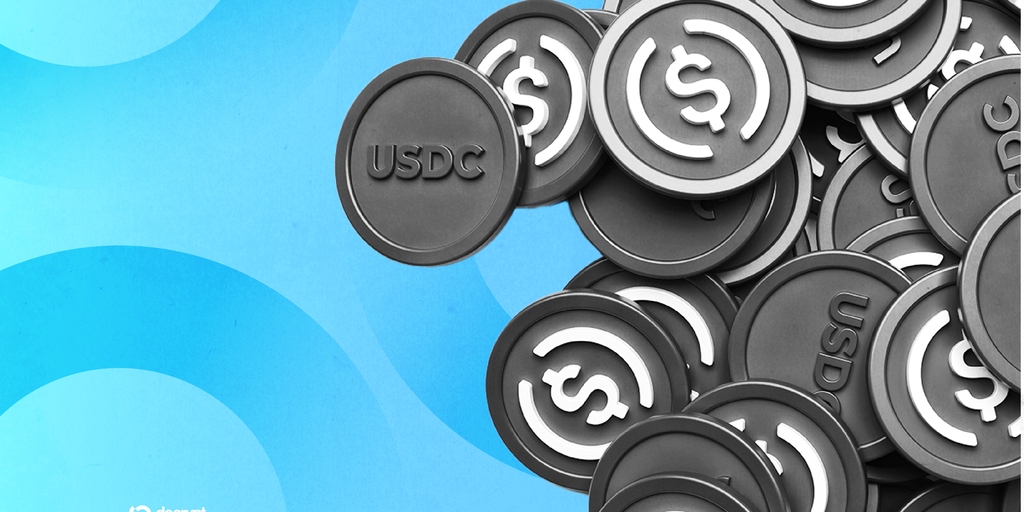
So, Circle, the folks who bring you USDC, have decided the existing blockchain world is just… messy. They’re rolling out something called Arc, a new layer-1 network supposedly designed from the ground up for… you guessed it, stablecoins. Because apparently, running dollar-pegged tokens on, say, Ethereum is like trying to run a Fortune 500 accounting department out of a TikTok influencer’s closet – full of unpredictable fees and settlement hiccups. This is pitched as the cure for what ails institutional finance dabbling in crypto, promising predictable costs and, gasp, actual privacy. But let’s be honest, who’s actually making money when the jargon gets this thick?
The pitch is simple enough on the surface: Most blockchains weren’t built for the cold, hard realities of institutional finance. Think about it. You’re a big bank, or a major corporation. Do you want your multi-million dollar transaction fees to fluctuate wildly based on some meme coin rally? No. Do you want your settlement to be finalized hours later with a nagging worry about chain reorganizations? Absolutely not. And privacy? Forget about it when you’re dealing with sensitive commercial data. Circle claims Arc fixes all this with “deterministic finality” (fancy talk for instant and irreversible settlement), predictable fees in USDC, and privacy features that won’t get you hauled before a congressional committee.
Paying for Gas with Greenbacks (Kind Of)
Here’s where they try to sound innovative: Instead of paying gas fees with some volatile Ether or SOL token, you’ll be using USDC. Genius, right? It’s like using a credit card to buy your groceries instead of bartering with rare Beanie Babies. This whole setup is meant to keep costs flat and predictable, a concept so alien to most of crypto it might as well be from another dimension. They’re even calling it “native gas.” The fees, denominated in USDC, flow into an on-chain treasury. The idea is to create a stablecoin-optimized highway, letting USDC zip around the ecosystem with less friction, all while builders and users can still hang out on their preferred networks.
Circle’s VP of Product Management, Rachel Mayer, lays it out:
“Arc’s fast finality and native gas coupled with Circle’s CCTP and Gateway interoperability service-as-a-stablecoin liquidity hub, enable USDC to move across the blockchain ecosystem freely,” Mayer said. “So builders and users can be on the networks that fit their needs while still tapping Arc’s stablecoin-optimized rails.”
It’s a nice vision, but the devil, as always, is in the implementation. And in the case of Arc, the validators are currently a permissioned bunch, chosen for their ‘operational resilience’ and ‘regulatory compliance.’ Read: friends of Circle. They’re talking a future transition to a “permissioned” Proof-of-Stake, which sounds suspiciously like a club where you need an invitation.
The ARC Token: Is It Just Another Speculative Play?
And then there’s the ARC token. Circle wants you to believe it’s not just another way for early investors to get rich quick, but a “coordination mechanism” as the network grows and eventually transitions to Proof-of-Stake. Holders might get “discounted transaction rates” and “preferential access.” Sounds… familiar. While they preach stability with USDC gas, the ARC token itself is set to have an initial supply of 10 billion, with a planned annual issuance rate of 2-3%. The stated goal is “inflation neutrality,” but let’s be clear: any new token launch, especially with these kinds of incentives, is going to attract speculators like moths to a flame. Who’s really benefiting here? The people holding ARC, or the people building on Arc?
This whole endeavor reminds me of the early days of enterprise blockchain hype. Everyone was building private, permissioned ledgers, promising efficiency and security. Most of them sputtered out. Arc feels like a similar play, but with the significant advantage of Circle’s existing USDC user base and a clear, albeit narrow, use case. The question remains: can they build a truly compelling ecosystem around stablecoins that transcends the hype and delivers tangible value, or is this just another layer of infrastructure designed to extract fees from the ever-growing stablecoin economy?