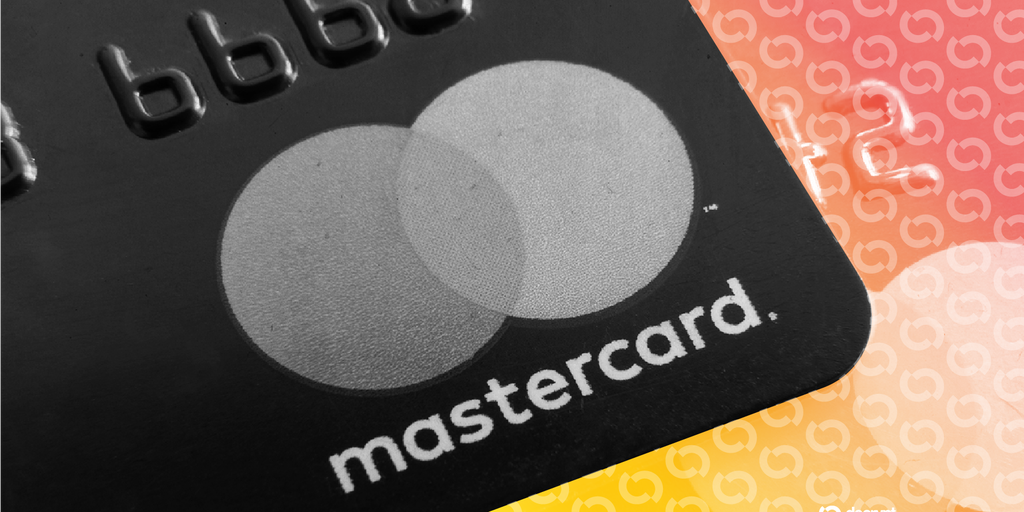
Mastercard Transaction Services has landed a BitLicense from the New York State Department of Financial Services (NYDFS). This isn’t just another corporate announcement; it’s a deliberate, calculated move by a legacy payment giant to get its hands dirty in the messy, exhilarating world of digital currencies, particularly stablecoins and tokenized deposits. Think of it as a carefully planted flag in the digital frontier.
Why the fuss over a license? Because in New York, the BitLicense is the golden ticket for any entity wanting to engage in virtual currency business. It’s notoriously tough to get, a gauntlet of compliance, security protocols, and financial scrutiny. For Mastercard, securing this means they’ve not only cleared a significant regulatory hurdle but are signaling a deep, structural commitment, not just a dabble.
But here’s the thing: Mastercard isn’t a scrappy startup. They’re a behemoth. Their entry isn’t about disrupting from the outside; it’s about integrating from within, subtly re-architecting the plumbing of finance. They’re not building a new blockchain for the kids to play on; they’re figuring out how to run their existing, colossal network of transactions on — or at least adjacent to — digital rails.
Why the BitLicense Matters for Payments Giants
This isn’t just about playing nice with regulators. It’s about future-proofing. The traditional payment rails are creaking under the strain of innovation. Every time a new fintech emerges with a novel way to move money, faster, cheaper, or with more transparency, it’s a subtle jab at the established order. Mastercard, and Visa for that matter, can’t afford to be left behind.
By obtaining the BitLicense, Mastercard is positioning itself to facilitate the flow of digital assets – stablecoins, tokenized representations of fiat currency, and potentially even tokenized deposits held at traditional banks. This means they’re not just accepting digital payments; they’re building the infrastructure to process them, to clear and settle them, just like they do with Visa and Mastercard-branded cards today. It’s about bringing the magic of blockchain’s potential efficiency and programmability into their own vast ecosystem.
Think about tokenized deposits. Imagine a bank issuing a token that represents a dollar held in a customer’s account. This token could then be transferred near-instantly, 24/7, without intermediaries clogging up the works. Mastercard, with its new license, could be the conduit, the trusted intermediary ensuring that these token transfers are secure, compliant, and integrate with the existing financial system.
A Long Game, Not a Sprint
This move echoes historical plays by established financial institutions. Remember when banks were terrified of the internet? Then they slowly, cautiously started building online portals. This is that, but on steroids, powered by a technology that promises to fundamentally alter intermediation itself. Mastercard isn’t just reacting; they’re proactively shaping the next era of financial infrastructure.
They’re essentially saying: ‘You want digital currencies? Great. We’ll be the ones to make sure they can flow through the arteries of global commerce reliably and securely.’ It’s a play for control, for relevance, and for a significant slice of the inevitable digital asset economy.
And it’s not just about stablecoins. Tokenized deposits represent a potential shift in how value is represented and moved. If Mastercard can become a key player in tokenizing and transacting these digital representations of traditional assets, they solidify their position as the indispensable connective tissue in finance.
“Mastercard Transaction Services has been granted a BitLicense by the New York State Department of Financial Services (NYDFS), cementing its support for digital currencies such as stablecoins and tokenized deposits.”
That’s the official line. But the subtext is about architectural shift. They’re building bridges from the old world of SWIFT and ACH to the new world of smart contracts and distributed ledgers. It’s a massive undertaking, one that requires deep technical expertise, regulatory finesse, and a willingness to embrace technology that once felt alien.
So, what’s the underlying architectural shift here? It’s the quiet, methodical integration of blockchain-inspired technologies into the core payment processing infrastructure. It’s about making digital assets fungible within their existing, massive network. They’re not abandoning their legacy; they’re building a hybrid future, one where the old and the new coexist and, eventually, merge.
This isn’t about whether crypto is a fad. It’s about whether Mastercard will be one of the architects of the next financial operating system. With this BitLicense, they’ve just bought themselves a seat at the design table in one of the world’s most critical financial jurisdictions. That’s a profoundly bullish signal for their long-term strategy.
🧬 Related Insights
- Read more: $2B FinTech Funding Frenzy: RegTech Leads, But Smells Like Refinancing Hype
- Read more: Hana Bank Dumps $672M Into Upbit Owner
Frequently Asked Questions
What does a BitLicense actually allow Mastercard to do?
A BitLicense allows entities to engage in virtual currency business activities within New York State, including dealing in, holding, or exchanging virtual currencies. For Mastercard, this means they can now legally offer services related to stablecoins and tokenized deposits in a heavily regulated environment.
Will this make crypto transactions faster or cheaper for consumers?
Potentially, yes. By integrating digital currencies into their existing infrastructure, Mastercard aims to streamline processes, which could lead to faster settlement times and reduced transaction fees compared to some existing methods, especially for cross-border or complex transactions. However, the full impact will depend on their implementation.
Is Mastercard creating its own cryptocurrency?
No, the BitLicense doesn’t mean Mastercard is launching its own coin. It’s about facilitating transactions with existing digital currencies like stablecoins (e.g., USDC, USDT) and exploring tokenized versions of traditional assets like deposits. They are acting as an infrastructure provider, not an issuer.