Banks are crypto-curious again. Or maybe just thirsty for anything that looks like innovation.
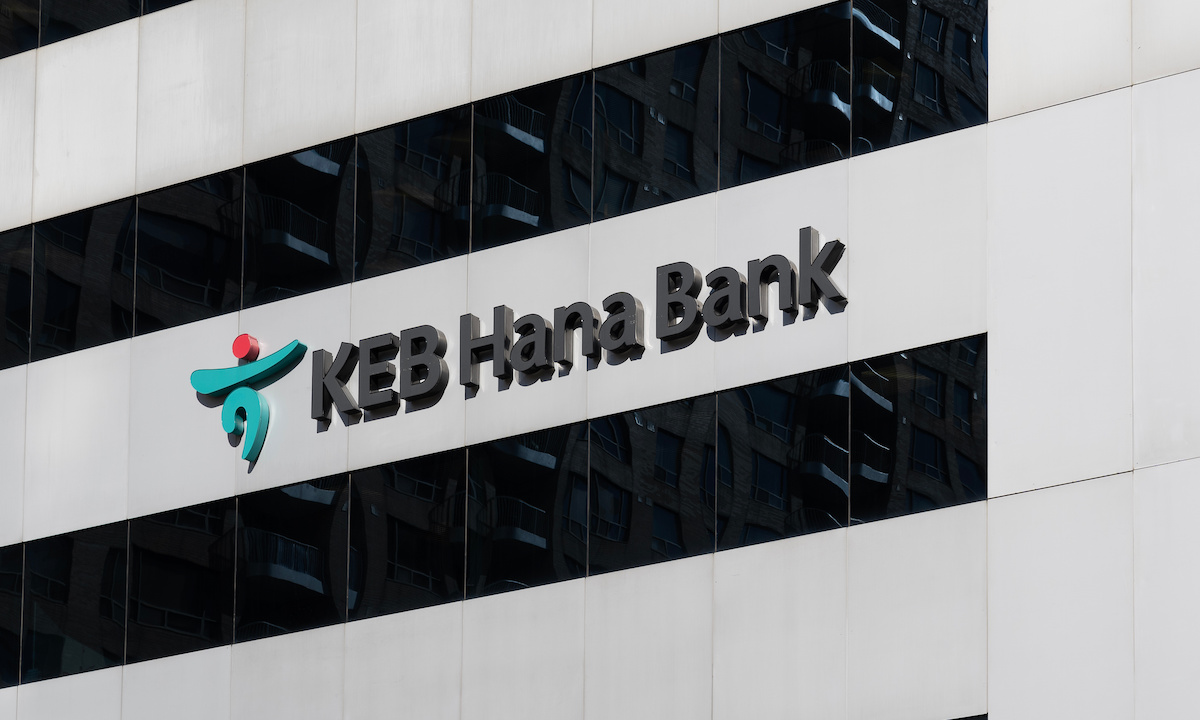
Hana Bank, a big South Korean lender, is buying a hefty $672.5 million stake in Dunamu. Dunamu? That’s the outfit behind Upbit, the country’s biggest crypto exchange. The deal, slated for June 15, hands Hana a cool 6.55% of Dunamu. All this from Kakao, the internet giant. Apparently, it’s all about “financial innovation based on digital assets.” Right.
This isn’t entirely out of the blue. Hana and Dunamu have been tinkering with a blockchain-based overseas remittance service. Now they’re talking stablecoins, tokenized securities, asset management – the whole digital asset bingo card. Dunamu already swallows over 80% of South Korea’s virtual asset trading volume. Merging with Naver Financial, another local tech titan, is also on the table. If that goes through, expect a serious acceleration in digital asset adoption. Sixteen million Koreans, over a third of the population, already trade digital assets. They’re not shy.
Is this a genuine shift, or just another bank trying to look relevant? Woori Bank, another South Korean lender, is also dabbling with a won-backed stablecoin with MoonPay. The regulators are signalling openness too. It feels like a land grab for the digital future. Or at least, what passes for it.
But let’s pump the brakes. Crypto exchanges are volatile beasts. Regulators can pivot on a dime. And a 6.55% stake isn’t exactly a controlling interest. It’s a significant bet, sure, but it’s also a hedge. They’re dipping a toe, not diving headfirst.
Hana Financial Group Chairman and CEO Ham Young-joo framed it as:
“a strategic decision to accelerate financial innovation based on digital assets.”
Sounds good on paper. But does it translate to actual, tangible innovation? Or just more digital window dressing? The South Korean market is ripe for disruption, with millions already engaged in digital asset trading. The convergence of tech and crypto is undeniable.
But here’s the rub: Hana’s investment is more telling about the current financial climate than about Dunamu’s inherent value. Banks are desperate for growth avenues outside of traditional lending, which is getting squeezed. Digital assets, despite their inherent risks, represent a shiny new playground. It’s less about conviction in crypto and more about fear of missing out. This isn’t about groundbreaking tech; it’s about asset diversification and maybe, just maybe, capturing a slice of the next big thing before it completely bypasses them.
Why South Korea’s Banks Are Suddenly Interested
South Korea’s financial landscape is a peculiar beast. Tech adoption is sky-high, and consumers are surprisingly open to digital currencies. Dunamu’s Upbit isn’t just an exchange; it’s a gateway for millions. When you’ve got 18 million people actively trading crypto, a bank would be foolish to ignore it entirely. The government’s evolving stance on crypto adds another layer, signalling a willingness to allow innovation within certain boundaries. It’s a calculated move to stay ahead of the curve, or at least appear to be.
Will This Fuel Crypto Adoption?
Possibly. Having a major bank like Hana involved lends a semblance of legitimacy. It could encourage hesitant investors and businesses to explore digital assets more seriously. The planned collaborations on stablecoins and remittances could smooth out some of the friction points that have held back broader adoption. But don’t expect overnight miracles. The crypto market is still a wild west, and regulatory uncertainties loom large. This investment is a step, not a leap, towards mainstream integration.
🧬 Related Insights
- Read more: Billtrust Bets on AI for AR: Smarter Portals, Sharper Forecasts
- Read more: Tribe Payments Joins EPAA: Asia Payments Shakeup?
Frequently Asked Questions
What is Dunamu?
Dunamu is the South Korean company that operates Upbit, the country’s largest cryptocurrency exchange. They are also involved in other digital asset initiatives.
Is Hana Bank entering the cryptocurrency market?
Hana Bank is investing in Dunamu, the operator of a cryptocurrency exchange, rather than directly trading cryptocurrencies itself. The bank plans to collaborate on various digital asset initiatives.
Will this investment make crypto safer?
While Hana Bank’s investment could lend a degree of legitimacy and encourage further development, it does not inherently make the cryptocurrency market safer. Crypto markets remain subject to volatility and regulatory risks.