Look, for years the promise of cryptocurrency has been about more than just abstract digital gold or speculative bets. It’s been about decentralization, about freedom from traditional finance, and, crucially, about everyday utility. The question, however, has always been: who actually benefits when that utility finally arrives?
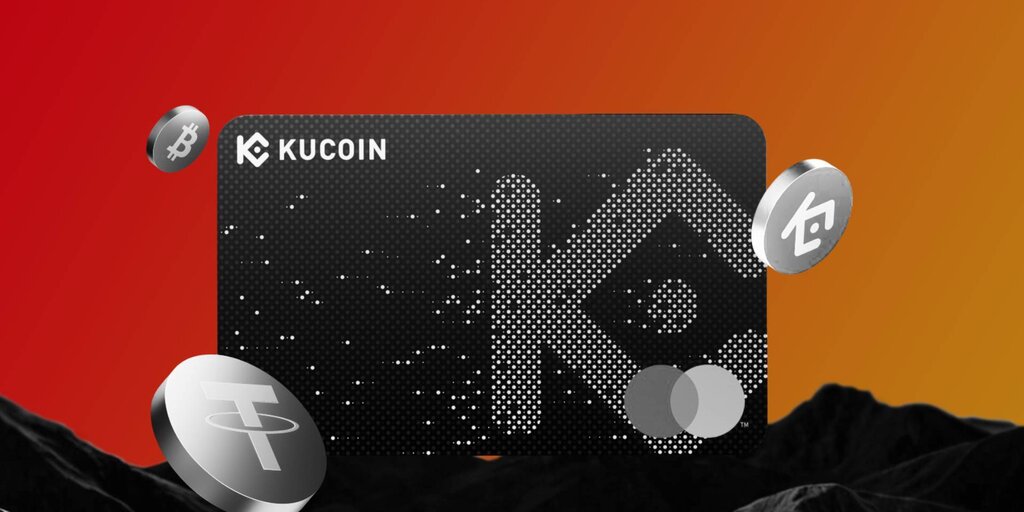
This week, KuCoin decided to throw its hat into the ring in Australia, a market that’s increasingly showing a serious appetite for digital assets. They’re not just setting up shop; they’re rolling out a new product, the KuCard, a crypto-backed debit card that lets users spend their digital holdings anywhere Mastercard is accepted. It’s a move that, on the surface, sounds like the kind of mainstream adoption the crypto faithful have been dreaming of.
What was everyone expecting? Well, the chatter around crypto in developed markets has been a mix of regulatory caution and eager anticipation for tangible use cases. Regulators, understandably, want to keep an eye on things, ensuring consumer protection and financial stability. Meanwhile, the industry itself has been desperately seeking that “killer app” beyond trading – something that proves crypto isn’t just a niche investment for tech bros.
And how does KuCoin’s new play change things? It injects a dose of reality into the hype. This isn’t just about holding crypto; it’s about spending it, directly, using familiar infrastructure. It’s an “evolution,” as KuCoin’s Australian MD James Pinch calls it, designed to fit into existing payment habits.
Compliance: The New Black in Crypto?
What’s most interesting about KuCoin’s Australian push isn’t just the flashy new card. It’s the heavy emphasis on regulation. They’ve formally registered with AUSTRAC, Australia’s financial intelligence agency. This isn’t just a casual nod to compliance; it’s a calculated move to operate under the watchful eye of the authorities.
“As a global platform built on trust, securing AUSTRAC registration is a key milestone in strengthening KuCoin’s global compliance architecture,” KuCoin’s CEO BC Wong said.
This focus on regulation is telling. It signals a broader trend: for crypto exchanges to survive and thrive in major markets, playing by the established financial rules is no longer optional. It’s the price of admission. It also means that those who balk at these regulatory hoops – and the associated costs – will likely find themselves sidelined.
Crypto Spending, Real World Style
So, the KuCard. It lets users spend USDC, a stablecoin pegged to the US dollar. The idea is simple: you hold USDC, you swipe your card (or tap your phone via Apple/Google Pay), and the USDC is converted to fiat currency at the point of sale. No more manually moving funds from your crypto wallet to your bank account. It’s supposed to make crypto “truly usable in everyday life,” according to Mastercard’s senior VP Christian Rau.
And this is where my skepticism kicks in. Who is actually making money here, beyond the obvious transaction fees? While users might find it convenient to spend crypto, they’re likely still incurring conversion fees on the back end, not to mention potential capital gains tax implications every time they make a purchase. It’s a neat trick for adoption, but is it economically sensible for the average user?
Historically, the crypto card attempts have always been a bit of a mixed bag. They often involve hidden costs, limits, and a reliance on third-party processors that can make the whole decentralized dream feel rather centralized and expensive.
The Australian Angle: A Crypto-Forward Market?
Pinch claims Australians are “ahead of the curve” on alternative investments, and that 22% of them hold digital assets. That’s a significant chunk, and it’s understandable why KuCoin would target this market. The exchange’s own research suggests Aussies want accessible, compliant platforms. They’re using bank transfers and cards to top up their crypto accounts, indicating a comfort with traditional funding methods.
The KuCard taps into this. It’s designed to integrate with payment habits people already know and trust. For KuCoin and Mastercard, it’s about making a familiar experience—buying your morning coffee or groceries—accessible with digital assets. It’s a way to connect the abstract world of crypto to the concrete reality of commerce.
But let’s not get ahead of ourselves. This is still an early iteration. The fact that it’s a virtual card initially, and limited to USDC and specific trading pairs, means it’s not quite the all-encompassing crypto debit card of sci-fi dreams. It’s a step, and perhaps a significant one for some users, but it’s not the finish line.
The Bottom Line: Utility or Just Another Fee Machine?
Ultimately, the success of KuCard in Australia will depend on a few things: transparency around fees, the actual conversion rates, and whether users feel the convenience outweighs the potential costs and tax headaches. If it becomes just another way to spend money with an extra layer of fees and complexity, it won’t stick.
If, however, it genuinely simplifies everyday spending for a significant portion of the 22% of Australians holding crypto, then it could be a genuine step forward for utility. But as always, keep an eye on where the money flows. It’s rarely just about the users.
Is KuCoin’s Regulatory Play Smart?
It certainly seems like the smart play for long-term survival. By obtaining AUSTRAC registration, KuCoin is positioning itself as a compliant player in a market that’s increasingly demanding regulatory oversight. This can attract more risk-averse users and institutional money that shies away from unregulated platforms. The cost of compliance is high, but the cost of being shut out of major markets is higher.
Why Does This Matter for Developers?
For developers, this signals a growing need for integration with traditional financial rails. As crypto products like KuCard become more mainstream, there will be increased demand for APIs and tools that bridge the gap between blockchain technology and existing payment systems like Mastercard’s. It also highlights the importance of understanding financial regulations, even if you’re building on the blockchain.
🧬 Related Insights
- Read more: StarCompliance Embeds AI for Compliance Clarity
- Read more: CFTC’s Innovation Task Force: AI, Crypto, and Prediction Markets Get Their Rulebook Squad
Frequently Asked Questions
What does KuCoin’s KuCard actually do? KuCoin’s KuCard is a crypto-backed virtual debit card that allows users in Australia to spend their USDC stablecoin holdings anywhere Mastercard is accepted. It converts the cryptocurrency to fiat currency at the point of sale.
Is this the first crypto debit card in Australia? While not the absolute first attempt at crypto spending solutions, KuCoin’s launch in partnership with Mastercard and its focus on regulatory compliance marks a significant move towards mainstream adoption for crypto debit cards in Australia.
Can I spend any cryptocurrency with the KuCard? No, the KuCard currently supports spending using USDC, a stablecoin pegged to the US dollar. KuCoin accepts 37 trading pairs involving USDC for transactions.