Can you truly power a data center — or an entire city — with sunshine and wind, day in and day out? It’s a question that has long vexed renewable energy advocates, and it’s one that a hefty $1 billion price tag from Google may finally be starting to answer.
The tech giant’s massive investment in startup Form Energy, revealed in The Information’s reporting, is for the company’s unique iron-air battery technology. We’re not talking about your typical lithium-ion cells here. Form Energy’s behemoth is designed to discharge a staggering 300 megawatts of electricity for a continuous 100 hours. That’s not a typo; one hundred hours. Enough to bridge those pesky gaps when the sun isn’t shining and the wind isn’t blowing.
How does this electrochemical marvel work? It’s surprisingly simple, almost elemental. The battery essentially “breathes,” drawing in oxygen to rust iron. This process, a form of controlled oxidation, releases electrons, generating electricity. It’s a far cry from the complex chemistry found in many contemporary battery systems, and that simplicity is arguably its greatest strength.
Why 100 Hours? The math on grid-scale energy storage has always been tricky. Most solutions focus on a few hours of backup – enough to smooth out short-term fluctuations. But what about those extended periods of low wind or cloud cover? Form Energy’s target is to provide that much-needed multi-day buffer, enabling data centers and, potentially, entire grids to run almost entirely on renewables. This Google deal, powering a new Minnesota facility, is the first major commercial validation of that ambitious goal.
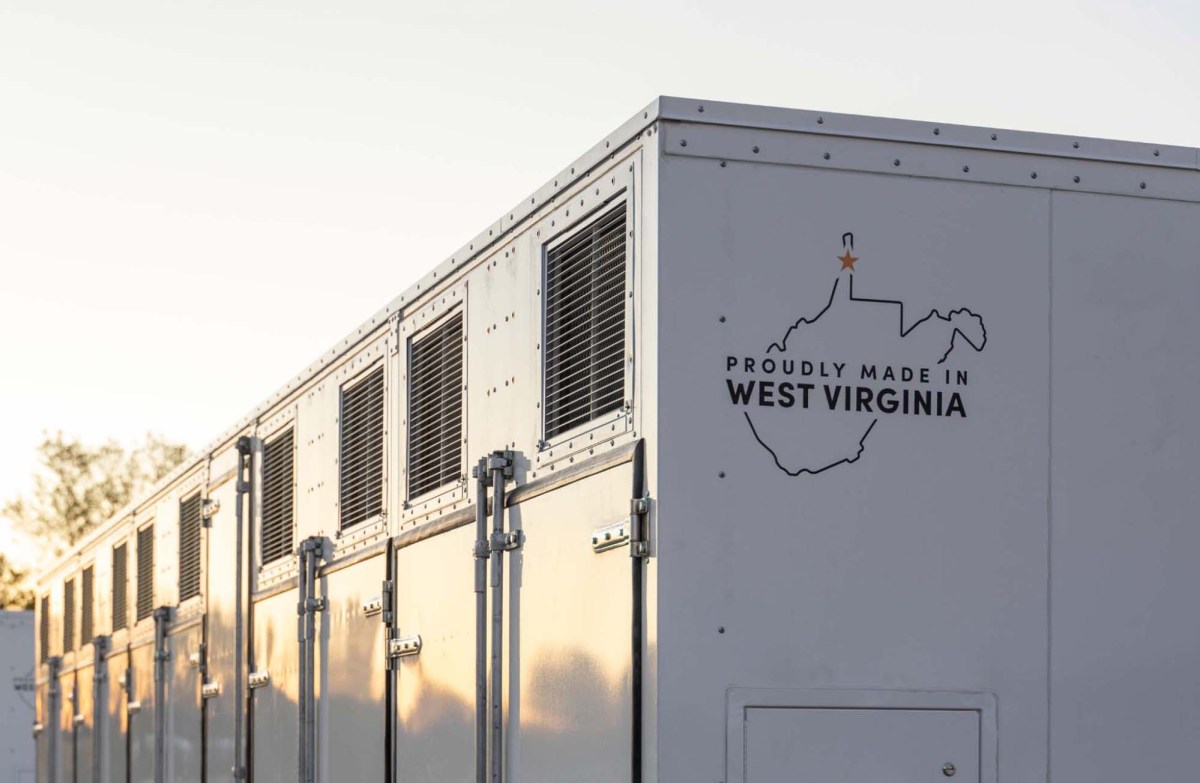
The company has been quietly developing this tech for years, building out a manufacturing facility in West Virginia. But without a significant customer, the path to commercial viability was uncertain. Now, with a billion-dollar order on the books – and CEO Mateo Jaramillo reportedly lining up a $500 million funding round on the back of it – Form Energy is firmly on the map. They’ve already raised $1.4 billion, and the whispers of an IPO next year are growing louder.
Is This Just Another Tech Hype Cycle?
It’s easy to get swept up in the narrative of innovation. But the economics of long-duration energy storage are notoriously challenging. Lithium-ion, while dominant for short-duration needs, scales poorly and expensively for 100-hour discharge cycles. Form Energy’s iron-air approach promises lower costs due to its abundant raw materials – iron and air. If they can truly deliver on the promise of cost-effective, multi-day storage, it could fundamentally alter the energy landscape. The $1 billion figure suggests Google believes it’s more than just hype.
This deal also represents a significant strategic play for Google. Owning and operating massive data centers requires immense, reliable power. While they’ve been a leader in renewable energy procurement, true energy independence from fossil fuels, especially for baseload power needs, has remained elusive. By investing in and deploying Form Energy’s technology, Google is not just securing power; it’s actively shaping the future of energy infrastructure.
Think about it historically: the development of the steam engine didn’t just mean a better way to pump water; it powered the Industrial Revolution. Form Energy’s battery, if it lives up to its potential, could be a similar inflection point for the renewable energy transition. It’s about moving from intermittent power to reliable, dispatchable green energy. The sheer scale of the Google order is a massive vote of confidence, but the real test will be in the deployment and long-term performance. The market will be watching closely to see if this $1 billion bet pays off.
What Does Form Energy’s Battery Mean for the Grid?
It means the possibility of a grid that’s no longer tethered to the unpredictability of weather patterns for its primary power sources. It means potentially lower energy costs as the reliance on expensive and polluting peaker plants diminishes. And, most importantly, it means a significantly accelerated path to decarbonizing our energy supply. The implications for climate goals are enormous, and it’s a development that will resonate far beyond the tech and energy sectors.
Form Energy’s iron-air battery relies on a simple chemical process: oxygen reacts with iron, creating rust and releasing electrons. This method aims to provide affordable, long-duration energy storage. The significant $1 billion investment from Google for their new data center marks a major milestone for the startup, potentially paving the way for wider adoption.
🧬 Related Insights
- Read more: Banks Go Bank-Ready: MiCAR Licenses Hit 20%
- Read more: QuoIntelligence Bags €7.3M for EU Cyber Threat Intelligence
Frequently Asked Questions
What does Form Energy’s battery actually do? Form Energy’s battery uses iron and air to store and release electricity over extended periods, designed to provide power for up to 100 hours continuously, unlike shorter-duration batteries.
Will this battery replace lithium-ion batteries? It’s unlikely to fully replace lithium-ion, which excels at short-duration, high-power applications. Form Energy’s technology is aimed at the long-duration storage market where lithium-ion is less cost-effective.
How much does Form Energy’s battery cost? While specific pricing per megawatt-hour for the Google project isn’t public, the company’s goal is to achieve significantly lower costs than other long-duration storage technologies, due to its use of abundant materials like iron.