It’s happening. We’re witnessing it unfold right now, not in some distant, AI-driven utopia, but in the gritty, real-time financial decisions of everyday people. Forget the doomsayers predicting a spending freeze; new Federal Reserve data, combined with insights from PYMNTS Intelligence, paints a remarkably different picture. Consumers are stubbornly holding onto their plans for those significant purchases – the cars, the major appliances, the home renovations that used to feel like the first things to go when the economic winds shifted south.
But here’s the kicker: they’re not just blindly charging ahead. This isn’t your grandfather’s credit card spree. We’re seeing a fascinating, almost surgical approach to financing these big-ticket items. It’s like a skilled artisan carefully selecting the right tools for a masterpiece, rather than a brute-force hammer. They’re eyeing longer loan terms, exploring buy-now-pay-later (BNPL) options with renewed interest, and even tapping into the equity they’ve carefully built up.
Is the Consumer Suddenly Flush with Cash?
Absolutely not. That’s the most captivating part of this whole narrative. The data suggests this isn’t about a sudden surge in disposable income. Instead, it’s a proof to the evolving financial toolkit available and a clear signal that people are strategizing their way through economic uncertainty. They’re not abandoning their dreams of a new sofa or a more reliable vehicle; they’re simply recalibrating the path to ownership. This is a fundamental shift, folks. Think of it like the difference between a sputtering, old-fashioned combustion engine and a sleek, hybrid electric vehicle. The goal is the same – getting from point A to point B – but the underlying technology and efficiency are worlds apart.
The Federal Reserve’s findings are particularly illuminating here. They highlight a growing reliance on longer repayment periods for auto loans, a trend that, while potentially carrying more interest over time, allows for lower monthly payments. This isn’t about irresponsibility; it’s about managing cash flow in a volatile environment. It’s a calculated risk, a way to keep life’s essential upgrades and desires within reach without immediately crippling their monthly budgets.
“Consumers are using a combination of longer loan terms, buy-now-pay-later options, and home equity to finance their major purchases, indicating a strategic approach to managing their finances.”
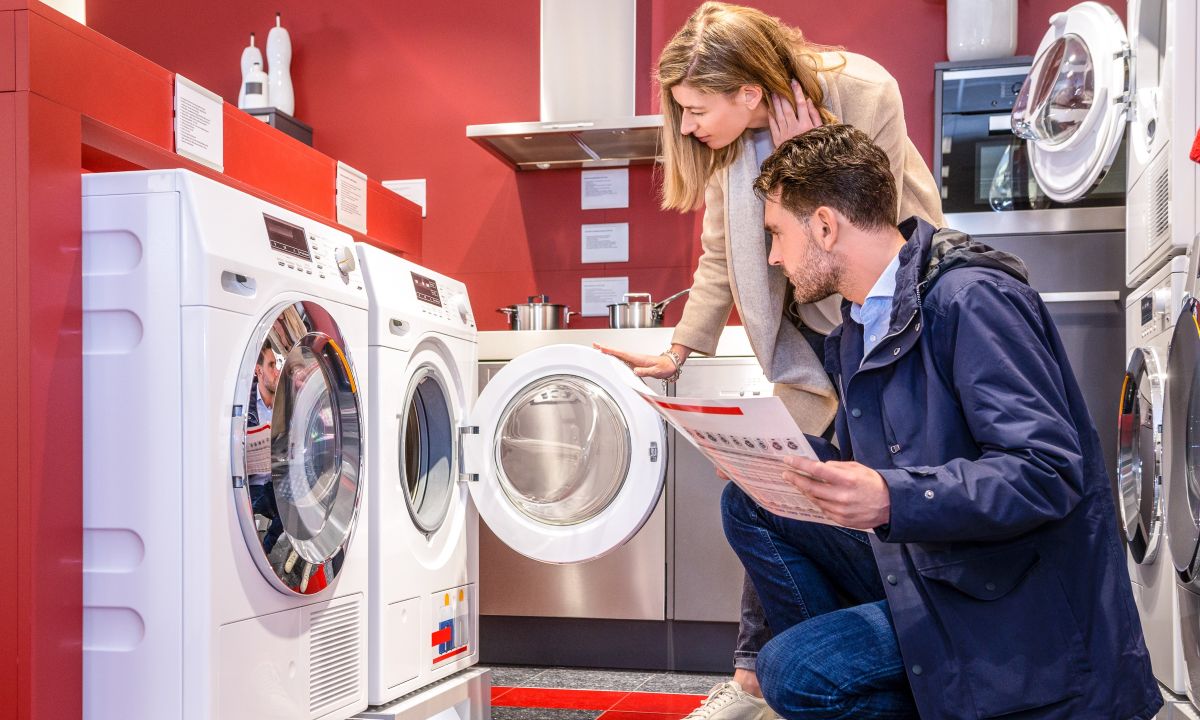
The rise of BNPL services for these larger items, which might have once seemed reserved for smaller e-commerce impulse buys, is another significant indicator. It’s no longer just about spreading the cost of a new pair of shoes; it’s about breaking down the cost of a washing machine or a significant piece of furniture into manageable installments. This accessibility, coupled with increasingly sophisticated user interfaces and promotional offers, makes these larger purchases feel less daunting.
Why Does This Matter for Big Purchases?
This is where the underlying tectonic plates of consumer finance are shifting. We’re moving beyond a simple credit-or-cash dichotomy. The integration of these varied payment and financing methods is creating a more nuanced ecosystem. It means that a consumer’s ability to make a significant purchase is no longer solely dictated by their immediate savings or traditional credit limits. Instead, it’s a puzzle they can solve using a wider array of financial puzzle pieces.
Consider the home equity line of credit (HELOC) or home equity loan. For homeowners who’ve seen their property values appreciate, tapping into this equity offers a relatively lower-interest avenue for substantial expenses. It’s a classic financial tool, but its increased utilization for everyday big-ticket items beyond major renovations speaks volumes about consumers’ creative problem-solving. They’re looking at their balance sheets holistically, identifying underutilized assets (equity) that can be strategically deployed.
This resilience in spending on major items, despite economic headwinds, isn’t just a data point; it’s a reflection of our ingrained consumer culture and the adaptability of financial innovation. It’s a signal that even when belts are tightening, aspirations for a better quality of life – a more comfortable home, a safer car, more efficient appliances – remain strong. The tools to achieve these aspirations are simply becoming more diverse and, frankly, more intelligent. This isn’t just a cyclical blip; it’s the early shimmer of a new financial platform, where access and affordability are being redefined.
A New Era of Consumer Financial Dexterity
What we’re seeing is the rise of the financially dexterous consumer. They’re not just passive recipients of credit; they are active architects of their financial lives, skillfully weaving together different instruments to achieve their goals. This adaptability is precisely what the financial industry needs to acknowledge and, more importantly, cater to. The companies that understand this complex dance of financing options, that offer transparency and flexibility, will be the ones that thrive. It’s an exciting time, not just for fintech, but for anyone trying to navigate the path to ownership in our increasingly complex world. The future of consumer spending isn’t about if people will buy big things, but how they’ll make those purchases fit their lives. And right now, they’re proving to be remarkably resourceful.
🧬 Related Insights
- Read more: Allianz Cedes Cyber to Coalition
- Read more: Nordics’ Fintech Mythbuster: NextGen Reveals AI Lag and Fraud Fiascos
Frequently Asked Questions
What does the Federal Reserve data say about consumer spending? The Federal Reserve data indicates that consumers are actively planning and making major purchases, rather than cutting back on them, by strategically using longer loan terms, BNPL options, and home equity.
How are consumers financing big-ticket items now? Consumers are utilizing a mix of longer auto loan terms, buy-now-pay-later (BNPL) services for items like appliances and furniture, and home equity lines of credit (HELOCs) or loans.
Will this trend continue? While the data shows current resilience, the continuation of this trend depends on various economic factors, including inflation, interest rates, and overall consumer confidence.