The average interest rate on a 30-year, fixed-rate mortgage climbed to 6.22% APR, a seven-basis-point jump from yesterday. This isn’t a seismic shift, but it’s a clear signal that market anxieties—both geopolitical and domestic—are dictating borrowing costs.
The Middle East’s Shadow on Your Home Loan
For weeks, the war in Iran has been a primary catalyst for mortgage rate volatility. Initially, the market priced in hopes for a swift resolution, driving rates down. But reports of ongoing exchanges, despite ceasefire declarations, have tempered that optimism. Iran’s strategic importance to global oil supplies—and its geographic chokehold on the Strait of Hormuz—means any escalations directly threaten energy prices and, by extension, inflation. This inflationary pressure, even if perceived, destabilizes the bond market. When demand for bonds dips, their yields rise, and since mortgage rates are benchmarked against instruments like the 10-year Treasury note, this upward pressure on yields translates directly to higher mortgage rates. It takes “Big News,” as the source material aptly puts it, to truly move the needle now, but the underlying geopolitical risk remains a constant undercurrent.
Domestic Data Puts a Brake on Rate Drops
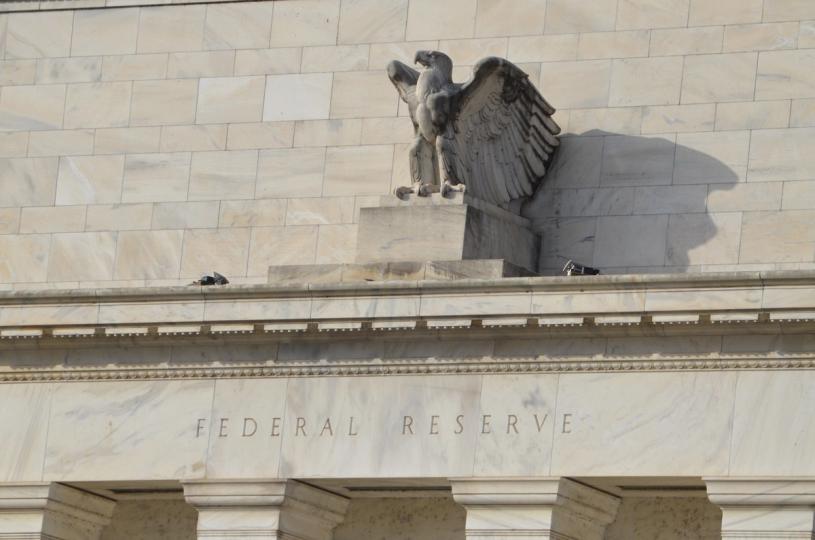
At home, the Federal Reserve’s recent decision to hold its benchmark interest rate steady, for the third consecutive meeting, offered little immediate relief. While the Fed doesn’t directly set mortgage rates, its policy stance profoundly influences market expectations. The central bank faces a delicate balancing act: nurturing maximum employment versus controlling inflation. Lately, that balance has been precarious. Core inflation, as measured by the Personal Consumption Expenditures Index, hit 3.2% in March, the highest since November 2023. This resurgence, partly fueled by war-driven energy costs, complicates the Fed’s mandate. This week’s employment data, however, presented a more nuanced picture. The Job Openings and Labor Turnover Survey (JOLTS) showed a surprising surge in hires in March, a positive sign for the job market. Yet, job openings remained flat, and firings and quits were stable. Following that, ADP’s private-sector employment report for April indicated modest job growth, beating market expectations. While this suggests some resilience, it doesn’t provide a clear mandate for immediate rate cuts by the Fed.
This is where the data-driven analyst in me gets skeptical of the prevailing narrative. The market seems to be simultaneously worried about inflation and the strength of the labor market. These aren’t mutually exclusive, but they often pull monetary policy in opposite directions. If the Fed sees strong job growth, they might be more inclined to keep rates higher for longer to ensure inflation is truly vanquished. Conversely, any sign of a weakening job market could prompt easing. We’re seeing a tug-of-war, and mortgage rates are caught in the middle. The PR spin from various sources might highlight one aspect over another, but the fundamental dynamic is one of conflicting economic signals.
“The yield on the 10Y T rose sharply throughout March and only eased up a bit in April, and we’ve likewise seen the average 30-year fixed rate mortgage APR remain firmly above 6%.”
The Weekend Lull
For those tracking rates, a small reprieve arrives with the weekend. Markets close, and Friday’s rates are likely to hold steady until Monday. This brief pause allows for reflection on the week’s events, but the underlying pressures—geopolitical instability and the persistent inflation/employment dilemma—will undoubtedly resurface with the opening bell.
Is This the New Normal?
Predicting future mortgage rate movements is akin to forecasting market sentiment on a Monday morning. However, the current environment suggests continued choppiness. Until the geopolitical situation in the Middle East clarifies significantly and domestic inflation trends show a more decisive downward trajectory, mortgage rates are unlikely to see a sustained, steep decline. Borrowers might be wise to focus on securing the best possible rate for their individual financial situation rather than waiting for a market-wide precipitous drop that may not materialize soon.
🧬 Related Insights
- Read more: Binance’s Compliance Brain Drain: Top Execs Bolt Amid Sanctions Scrutiny
- Read more: AI’s New Playground: Unpacking the Sweeping Payments Shift
Frequently Asked Questions
What are mortgage rates? Mortgage rates are the interest rates lenders charge borrowers for home loans. They are influenced by economic factors, central bank policy, and market sentiment.
Will mortgage rates go down soon? It’s uncertain. Geopolitical events and domestic inflation data are creating volatility. A sustained drop would likely require a clearer path to lower inflation and reduced global uncertainty.
How does the Fed affect mortgage rates? The Federal Reserve’s benchmark interest rate influences overall market borrowing costs. While they don’t set mortgage rates directly, their policy decisions create expectations that impact them.