Banking law? Shaken.
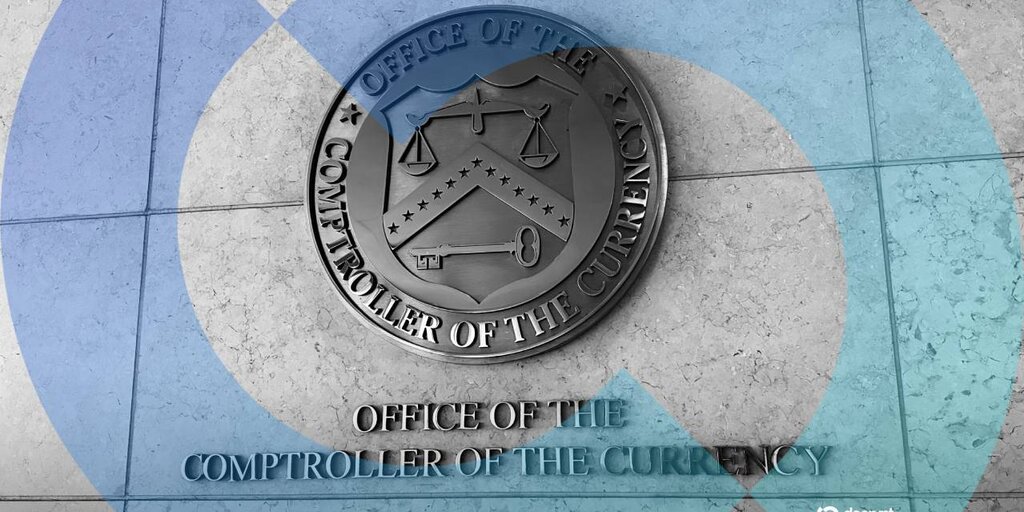
The whole dust-up started when Senator Elizabeth Warren, bless her cotton socks, decided the Office of the Comptroller of the Currency (OCC) had gone too far. Specifically, she’s got her knickers in a twist over the OCC handing out national trust bank charters to a bunch of crypto outfits. Coinbase, Ripple, you name them, they’re in the crosshairs. Warren’s take? This is basically a backdoor way to let crypto companies act like banks without all the pesky regulations. A loophole, if you will.
And the crypto industry? Oh, they’re not taking it lying down. The Digital Chamber, their ever-so-official trade group, is practically begging the OCC to stand firm. They sent a sternly worded letter, no doubt printed on recycled paper, urging the head honcho at the OCC to defend their decisions. Because, naturally, they believe they’ve done nothing wrong.
This whole kerfuffle hinges on a few key points, none of which are particularly surprising if you’ve been watching this circus for more than five minutes.
Are These Charters Even Legal?
The crux of the matter is whether these national trust bank charters, typically for outfits that manage assets but don’t take deposits, are being twisted to allow for more – dare I say – banking-like activities. Companies like Coinbase and Ripple want to handle stablecoins, the slightly-less-bonkers cousins of Bitcoin. They want to issue them, redeem them, and hold the funds that back them. Warren, and apparently a whole lot of traditional bankers who are likely sweating into their spreadsheets, see this as a direct challenge to the established order. They argue it’s a regulatory arbitrage play, pure and simple.
“It would be deeply incongruous for Congress, on an overwhelmingly bipartisan basis, to establish a new category of federally regulated stablecoin issuer while the OCC stood by and declined to exercise its chartering authority.”
That’s Cody Carbone, CEO of the Digital Chamber, basically saying Congress already telegraphed its punches. The industry’s argument is that the passage of the GENIUS Act – a piece of legislation that apparently legalized stablecoin issuance last year – implicitly gave the OCC the green light to grant these charters. It’s a classic “you can’t have it both ways” argument. Congress created a pathway, and the OCC is just following orders.
But here’s the kicker, and where my skepticism kicks into high gear: National trust companies are supposed to be less scrutinized than full-blown banks. They’re not FDIC insured, for starters. So, the idea that they can suddenly start handling stablecoins – digital dollars that could, in theory, be as volatile as their wilder crypto cousins if their backing falters – without the same oversight is, frankly, a recipe for a headache. Or worse. It’s like giving a learner driver the keys to a supercar and telling them to take it easy on the highway.
The Banking Lobby’s War on Stablecoins
Let’s not forget the usual suspects. The traditional banking lobby has been grumbling about stablecoins for ages. They hate that these crypto-adjacent firms can offer incentives that compete with your average savings account, all while sidestepping the rigorous compliance hoops that banks have to jump through. It’s the eternal struggle: innovation versus established power. And, for a while there, it looked like Congress was leaning towards the established power. But then, poof, the GENIUS Act. And now this charter spree.
So, is this a win for crypto innovation, or a dangerous deregulation? The industry, naturally, paints it as the former. They’re not taking deposits, they insist. They’re just facilitating a new form of digital currency. It’s all very tidy.
My take? It’s a bit of both, leaning towards a cautionary tale. The GENIUS Act might have opened a door, but the crypto industry is trying to kick it wide open and sprint through. The OCC, under this administration, seemed eager to accommodate. Senator Warren, bless her, is the voice of alarm. This isn’t about whether crypto is good or bad. It’s about whether the rules designed for a different financial era can possibly contain something as fundamentally… novel as decentralized finance. My money’s on “no,