The fluorescent hum of a bank lobby often signals a certain glacial pace, but right now, the digital equivalent is buzzing with a new kind of anxiety.
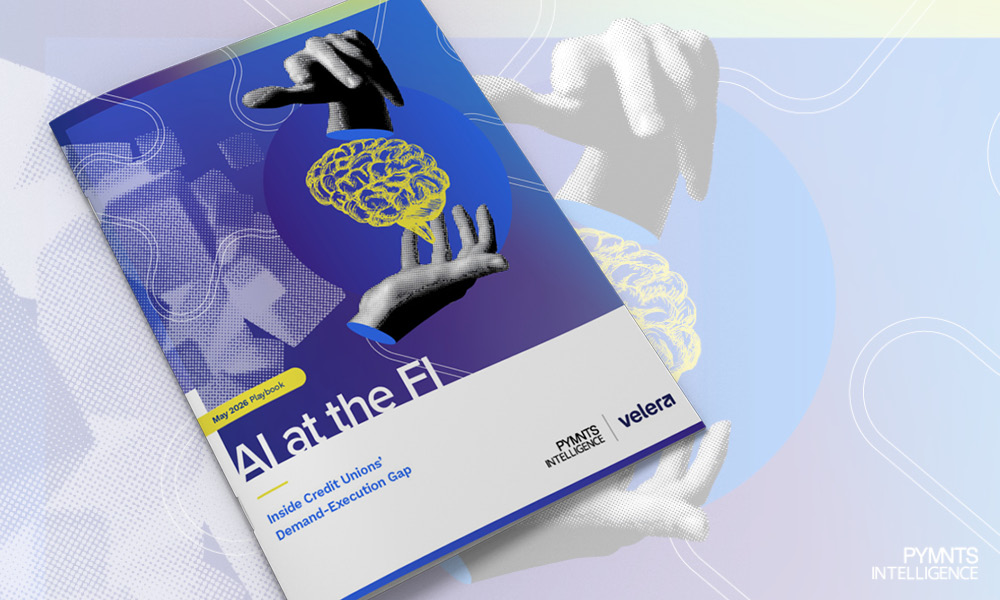
Turns out, people—specifically those younger demographics and up-and-coming businesses financial institutions desperately want to court—aren’t just dabbling in AI; they’re expecting it. A report, helpfully titled “AI at the FI: Inside Credit Unions’ Demand-Execution Gap,” drops a rather stark finding: 75% of small-to-medium businesses (SMBs) and a solid 59% of consumers would happily use an AI assistant from their bank or credit union. This isn’t some niche tech bro fantasy; this is mainstream demand, particularly from Gen Z, millennials, and even those SMBs raking in over a million bucks a year. The writing, as they say, is on the digital wall.
So, what’s the hold-up? Why are credit unions, which historically position themselves as more personal, more member-focused, suddenly finding themselves on the wrong side of a digital divide? The report, bless its data-crunching heart, paints a picture of a gaping chasm between what customers want and what these institutions can actually, you know, execute. It’s the classic story: buzzword generation versus tangible product delivery.
Who’s Actually Making Money Here?
This is where my ears perk up. Every time a new technological wave crashes onto Silicon Valley’s shores, the same question echoes in the back of my mind: Who’s getting rich? For credit unions, the lure of AI is likely tied to customer acquisition and retention. If you’re not offering the shiny new AI chatbot that can explain complex loan terms or flag suspicious transactions with uncanny accuracy, you risk looking like dial-up internet in a 5G world. And for FinTechs? This is their bread and butter. They’re the ones building the AI engines, the algorithms, the slick interfaces that credit unions might eventually license or try to replicate (poorly).
The report states it plainly:
Demand is high, especially among customers and prospective members whom financial institutions most want to attract. Seventy-five percent of SMBs and 59% of consumers say they would use at least one AI assistant feature from their financial institution.
That’s a pretty direct shot. It means if you’re a credit union lagging on AI, you’re not just missing out on a trend; you’re actively turning away the very people you need to survive. Think about it: Gen Z, the future of your membership base, grew up with sophisticated AI assistants. Asking them to then navigate a clunky online banking portal with zero AI integration? That’s a non-starter. It’s like offering them a flip phone and expecting them to be thrilled.
The ‘Execution Gap’ – What Does That Even Mean?
This “demand-execution gap” is the real meat of the story. It’s not about whether AI can be useful in finance—of course it can. It’s about the painfully slow, often bureaucratic reality of implementing new tech within established institutions. Credit unions, often more risk-averse and operating on thinner margins than their Wall Street brethren, face significant hurdles. Think legacy systems, regulatory compliance that makes your eyes water, and the sheer cost of acquiring and integrating sophisticated AI capabilities. It’s far easier to talk about AI than it is to actually deploy it effectively and ethically.
We’ve seen this movie before. Remember when mobile banking was the next big thing? Plenty of institutions dragged their feet, only to watch agile FinTechs swoop in and capture market share. AI is that, but amplified. The expectations are higher, the potential impact is broader, and the competitive landscape is already teeming with players who get it.
This isn’t just about offering a chatbot. It’s about leveraging AI for everything from personalized financial advice and fraud detection to automated loan processing and hyper-targeted marketing. The ones who can do this well won’t just survive; they’ll thrive. The ones who can’t? Well, they’ll be writing their own “demand-execution gap” reports in a few years, wondering what happened.
And that, my friends, is the perpetual dance of innovation: some lead, some follow, and a whole lot get left behind wondering why they didn’t just buy the damn AI.
Key Takeaways
- High Demand: A significant majority of consumers and SMBs are ready and willing to use AI features from their financial providers.
- Target Demographics: Interest in AI is particularly strong among younger generations (Gen Z, Millennials) and growing SMBs, key groups for future growth.
- Execution Hurdle: Credit unions and FIs face challenges in translating this demand into actual, functional AI services, creating a notable gap.
🧬 Related Insights
- Read more: FCA’s CREDO: Is It Just Another Fintech Shakedown?
- Read more: Pro Global Bolsters Latin America Insurance Offerings
Frequently Asked Questions
What kind of AI features do consumers want from their banks? Consumers are interested in AI assistants for tasks like explaining financial products, managing accounts, and flagging potential fraud.
Will credit unions be able to keep up with AI demand? The report suggests a significant “demand-execution gap,” indicating that many credit unions are currently struggling to implement AI services effectively to meet customer expectations.
Who is most interested in AI for financial services? The report highlights strong interest from Gen Z, millennials, and SMBs with annual revenues over $1 million.