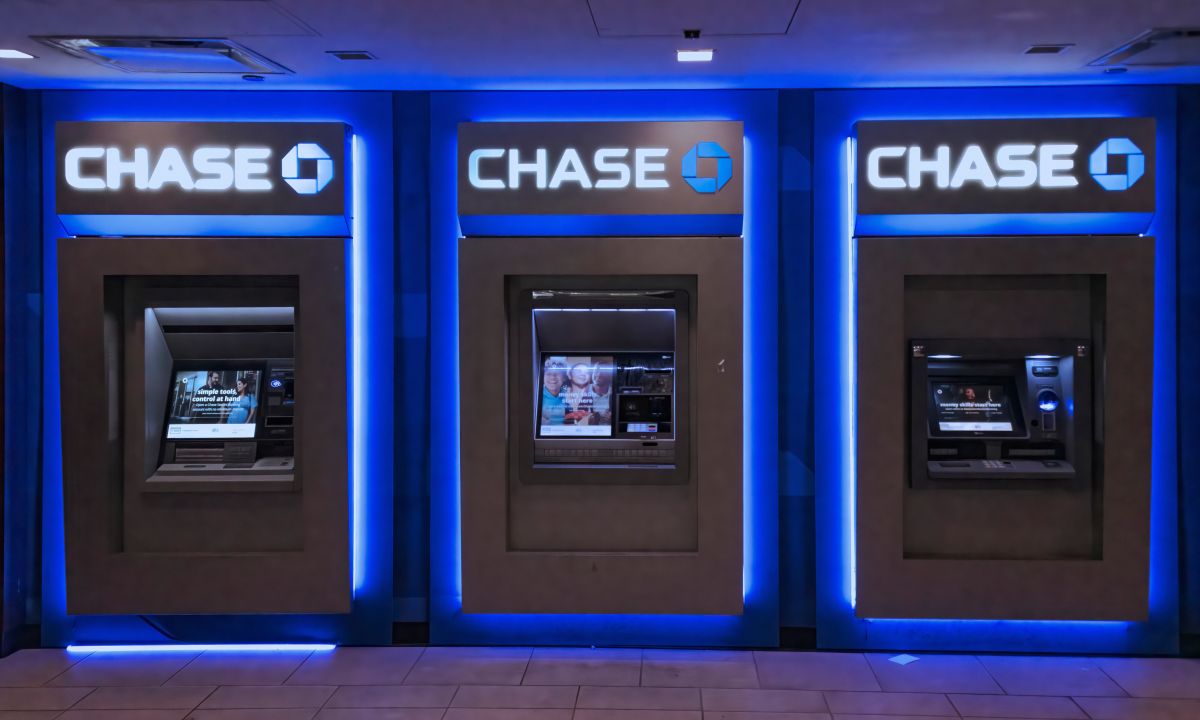
Everyone expected banks to be shedding physical locations like old skin. The narrative? Digital is king. Branch closures were the only story. Then Chase drops this bombshell: 18 new branches in May. Fifty-two this year. And they’re not just slapping up some ATMs. We’re talking full-service, relationship bankers, the whole nine yards.
This isn’t a minor pivot; it’s a multibillion-dollar declaration of war on the digital-only future. Chase announced plans in February 2024 for over 500 new branches and 1,700 renovations by 2027. That’s on top of over 650 they’ve already added. By 2027, they’ll have nearly doubled their branch count in a decade. Meanwhile, other banks are shuttering locations. Fifteen percent gone between 2015 and 2024, remember?
Is This Just a PR Stunt?
Corporate speak abounds. “By expanding our physical footprint, we’re ensuring more customers can access the banking services and financial guidance they need — how, when and where they want,” chirps Tom Horne, head of branch banking. It sounds nice. It sounds… predictable. But let’s not pretend this is purely about customer convenience. This is about market share. This is about locking in customers with a physical presence they can see and touch. It’s a tangible differentiator in a sea of apps.
Chase already boasts the largest branch network in the U.S., unique for its presence in all lower 48 states. This expansion isn’t just growing their existing empire; they’re planting new flags in virgin territory and doubling down in established markets. Other giants are doing similar things. Truist is opening 100 new branches. Bank of America plans 150 by 2027. The digital wave hasn’t drowned everyone.
Why Does Physical Still Matter?
Here’s the thing: the “branch is dead” mantra has always been too simplistic. Yes, transactions are digital. But relationships? Complex financial advice? Building trust? That still happens face-to-face for a significant chunk of the population. Especially for small businesses and affluent customers, a dedicated financial expert is worth more than a fancy app interface. Chase seems to understand this deeply. They’re not just opening boxes; they’re creating hubs. They’re layering physical presence onto their digital offerings, creating a more strong, albeit expensive, customer ecosystem.
This isn’t just a “we believe in brick-and-mortar” sentiment. It’s a calculated move to capture demographics that feel left behind by pure digital banking. It’s also a play against fintechs who, despite their agility, often lack that tangible connection. Chase is essentially saying, “You can have your sleek app, but we’ve got the keys to the kingdom.” It’s a bold, and potentially very profitable, strategy. Or, it’s a colossal, industry-defying mistake. The next few years will be telling.
What’s the Risk for Chase?
Cost. That’s the obvious one. Maintaining a sprawling branch network is vastly more expensive than running data centers. Real estate, staffing, utilities – it adds up. The gamble is that the revenue and customer loyalty generated by these new and renovated branches will outweigh the overhead. If they can convert these physical touchpoints into deeper customer relationships and larger deposit bases, the investment pays off. If not, they’ve just built a very expensive monument to a bygone era. The competition from digital-native players and the ongoing pressure to cut costs across the board make this expansion a high-stakes gamble. They’re betting big that the human touch, augmented by technology, will win in the long run.
🧬 Related Insights
- Read more: Securitize Taps Jump Trading: Tokenized Stocks Get a Market Maker
- Read more: Asia’s Fintech Frontier: A 300-Fold Chasm Demands Investor Focus
Frequently Asked Questions
What does Chase’s branch expansion mean for digital banking? It suggests a hybrid future where physical branches complement digital tools, rather than being replaced by them, catering to diverse customer needs for both convenience and personalized service.
Will other banks follow Chase’s lead? Some already are, like Bank of America and Truist, indicating a potential shift back towards valuing physical presence for specific customer segments, though the scale will likely vary.
Is this a sign that branch closures will stop? Not entirely. Cost-cutting pressures remain, and many branches will still close. However, Chase’s move signals that strategic, relationship-focused branch expansion can still be a viable strategy for major players.