What if the hottest tech conference of the year is just a mirror held up to Silicon Valley’s endless optimism machine?
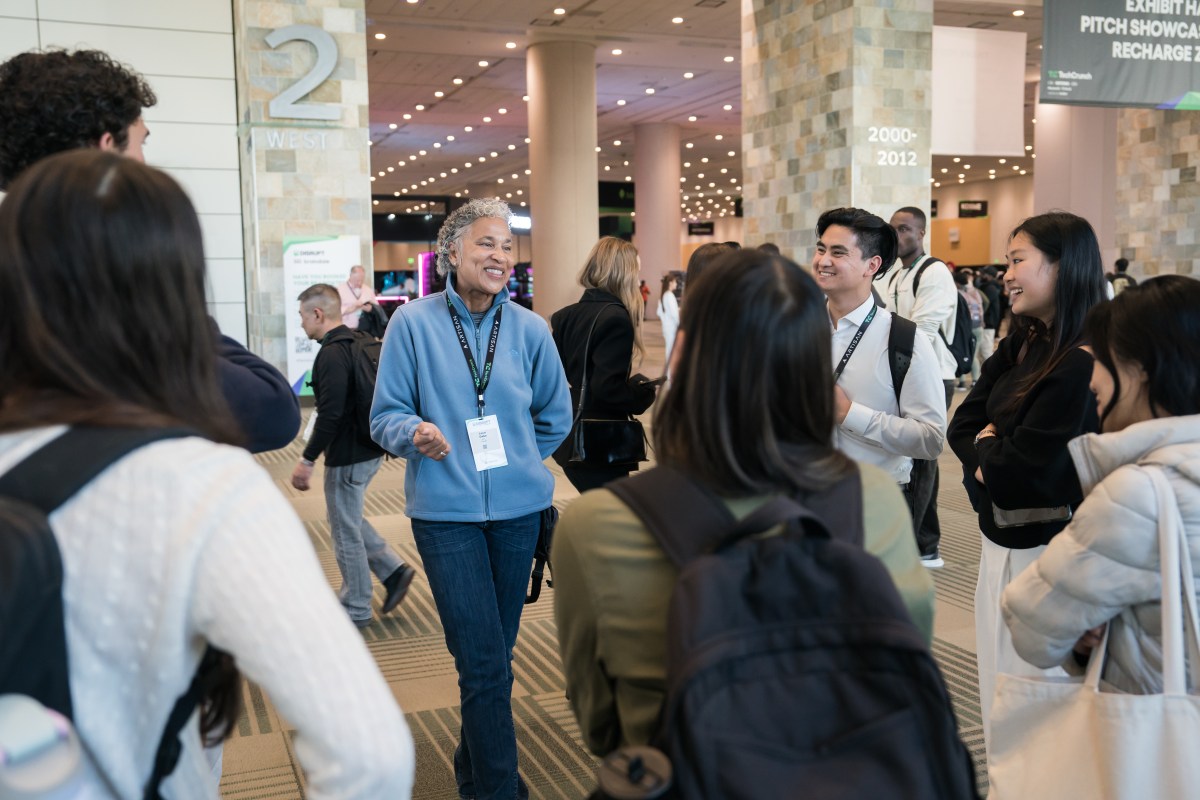
TechCrunch Disrupt 2025 hits its final day at Moscone West, San Francisco, with a lineup that screams AI everywhere — from agentic clouds to AI in trucking and even dating apps. Rohit Patel from Meta Superintelligence Labs, Kirsten Green of Forerunner Ventures, NBA champ Tristan Thompson turned fintech player — they’re all here, promising the future. And capping it off? The Startup Battlefield 200 winner announcement, where one pitch deck might snag real money. But here’s the cynical vet’s whisper: we’ve seen this script before.
Why Does Day 3 Feel Like AI’s Greatest Hits Album?
Short answer: repetition with fancier production values. The AI Stage dominates, naturally. Alejandro Matamala Ortiz from Runway talks ‘From Ads to Films: Creating with Code.’ Francis Yang bets a hypothetical $1M on trusting AI for influencer marketing. Will Grannis from Google Cloud unpacks ‘How Google Is Building for the Agentic Cloud’ — buzzword alert, but agentic AI agents running wild is the obsession du jour.
Fahad Khan of Blue River Technology (John Deere’s arm) and Jeff Mills from iMerit dive into ‘AI in the Dust: Building Trustworthy Models for the Physical World.’ Physical world? Think tractors plowing fields with computer vision, not sci-fi. Then Thomas Wolf of Hugging Face shapes ‘the AI Stack’ — open-source darling meets enterprise dreams.
“Love, Lies & Algorithms: The Truth about AI in Matters of the Heart,” featuring Dr. Amanda Gesselman (Kinsey Institute), Mark Kantor (Tinder), and Eugenia Kuyda (Replika).
That’s a direct pull from the agenda — because nothing says ‘trustworthy innovation’ like AI swiping right on your love life. Dave Ferguson (Nuro) and Sachin Kansal (Uber) promise ‘Smarter Streets’ via autonomous delivery and ride-hailing AI. National security gets a turn with U.S. Navy CTO Justin Fanelli, RAND’s Kathleen Fisher, and Point72’s Chris Morales. Karandeep Anand spotlights Character.AI, the chatbot that’s ‘talking back’ to millions.
Expo Hall buzz, hands-on sessions, networking — standard fare. Investor Breakfast Fireside Chat on ‘Innovation in the Next Decade’ is invite-only for pass holders at Deal Flow Cafe. Register till 3:30 p.m. with ID matching your ticket; no proxies.
One paragraph. Done.
Is This Lineup Actually Moving the Fintech Needle?
Tristan Thompson’s fintech cred stands out — the NBA star’s pivot to startups nods at sports betting or payments plays, but details are thin. Builders Stage hits founder pain points: ‘Seed Money Secrets’ with Harlem Capital’s Gabby Cazeau, MaC Venture Capital’s Marlon Nichols, Freestyle’s Maria Palma. ‘Rethinking Startup Capital without VCs’ features Chess.com CEO Erik Allebest and others pitching alternatives — crypto payments? Global hiring in crypto via Pebl’s Francoise Brougher and Cowboy Ventures’ Aileen Lee.
David Cramer (Sentry), Zach Lloyd (Warp), Bessemer’s Lauri Moore debate ‘With Vibe Coding, Do Early Stage Startups Still Need 10x Engineers?’ Vibe coding — shorthand for low-code tools flooding the market. Later-stage raises with Generation Investment Management’s Lila Preston, Aven’s Sadi Khan, IVP’s Zeya Yang. And ‘The Pros and Cons of Hiring AI Agents as Early Employees’ — Artisan’s Jaspar Carmichael-Jack, Lattice’s Sarah Franklin, Firecrawl’s Caleb Peffer.
Skepticism peaks here. Remember Web Summit 2016? AI agents were ‘the next big thing’ then too, amid Slack bots and chatbots. Fast-forward nearly a decade, and we’re still hiring humans because agents hallucinate budgets and flake on deadlines. Unique insight: this echoes the 2012 ‘Big Data’ hype cycle at Disrupt — McKinsey predicted millions of jobs, VCs poured in, then reality hit with data swamps and failed pilots. Today’s agentic AI bets risk the same: flashy demos, feeble ROI.
Promo spam for Disrupt 2026 peppers the agenda — 10,000+ attendees, save $410. Cynical? It’s the real business model. Conferences don’t innovate; they sell tickets.
Who Wins in the Startup Battlefield Echo Chamber?
The 200-cohort winner reveal is the emotional climax. Past champs like Ginkgo Bioworks (bioengineering) or Zip (car rentals) raised big post-win. But 95% fade — PR bump, no product-market fit. Who’s making money? TechCrunch (parent Yahoo, now private equity), VCs scouting cheap deals, speakers padding resumes. Founders? Mostly jet lag and rejection emails.
Physical reminders: badge pickup 8 a.m.-3:30 p.m., ID match required. Expo innovations tempt, but it’s booth snake oil — VR demos, NFT swag (2025 edition).
And communities? Agenda cuts off there, but expect the usual: founder mixers, AI ethics panels that end in shrugs.
Disrupt 2025 closes strong on spectacle. Yet the vet’s eye spots the grind: AI promises collide with physical limits, VC panels recycle wisdom, fintech cameos tease but don’t deliver. Bold prediction — by Disrupt 2026, agentic flops will birth a ‘trustworthy AI’ backlash fund, minted from yesterday’s hype.
🧬 Related Insights
- Read more: Wales’ New AI Hub: Fintech Lifeline or Another Empty Promise?
- Read more: Stripe and Coinbase Alumni Bet $8M on Latitude to Fix Cross-Border Chaos with Stablecoins
Frequently Asked Questions
What are the top AI sessions at TechCrunch Disrupt 2025 Day 3?
AI Stage leads with Google Cloud on agentic futures, Hugging Face on stacks, Nuro/Uber on transport, and Character.AI spotlight.
Who won Startup Battlefield 200 at Disrupt 2025?
Announced Day 3 — check TechCrunch live updates for the pitch that snagged investor eyes (details post-event).
Is TechCrunch Disrupt worth attending for fintech founders?
Yes for networking, skeptical on breakthroughs — strong VC access, light on novel fintech amid AI overload.