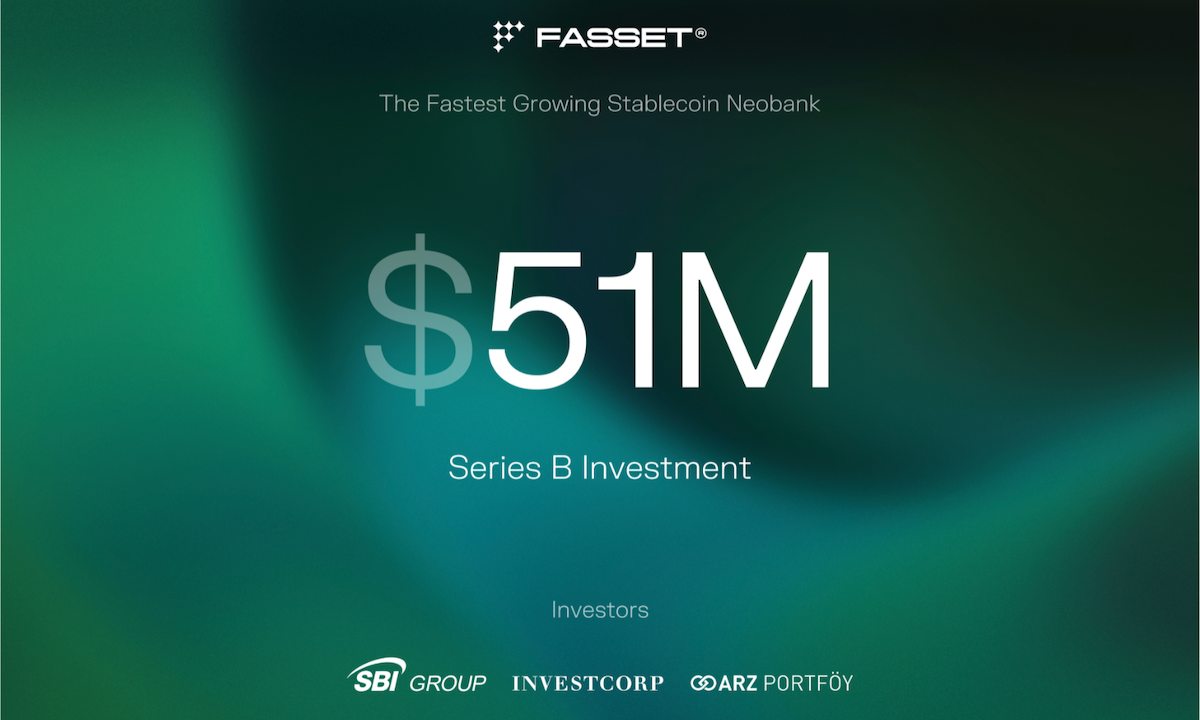
Here’s the blunt truth: Fasset just hauled in $51 million. Not a typo. This capital infusion isn’t just another funding round; it’s a loud declaration that the world of emerging market finance is pivoting, rapidly, towards stablecoin infrastructure, ditching the glacial pace and exorbitant fees of traditional correspondent banking.
This Los Angeles-based startup, operating with a Shariah-compliant lens, isn’t just dabbling. They’re processing over $32 billion in annualized volume, facilitating payments across more than 50 corridors in Asia, Africa, and the Middle East. That’s for over 1,000 small and medium-sized businesses, spanning 125 countries. These aren’t vanity metrics; these are the nuts and bolts of cross-border commerce being rebuilt, block by digital block.
Why the rush to stablecoins? Simple economics. Traditional cross-border transfers can take days, cost a fortune, and get bogged down in a labyrinth of intermediary banks. Stablecoins, particularly those pegged to the US dollar or, in Fasset’s case, even tokenized gold, offer near-instantaneous settlement and dramatically reduced fees. For SMEs in emerging markets, where every basis point and every day saved counts, this isn’t just an improvement; it’s a lifeline.
The Data Doesn’t Lie: A $32 Billion Bet on Blockchain Rails
Fasset’s $51 million Series B, backed by heavyweights like Japan’s SBI Group, Investcorp, and Turkey’s Arz Portföy, underscores a clear market trend. Investors are betting big on fintechs that are bypassing traditional financial plumbing altogether. The company’s stated plan is to push into new markets, and crucially, to build out lending and trade finance products. This is where the real value accrues – moving beyond simple remittances to offering sophisticated financial services on a more efficient, cheaper foundation.
This move mirrors what we’re seeing across the broader fintech landscape. Just last month, Slash, another business banking startup, raised a cool $100 million, touting its own stablecoin-based payment solutions. The narrative is consistent: blockchain and stablecoins are no longer niche crypto experiments; they’re becoming the bedrock for next-generation financial infrastructure, especially for businesses that have been underserved or overcharged by the incumbent system.
Is This the Future of Global Commerce?
The key here is Fasset’s focus on emerging markets. These are regions where the limitations of traditional banking are most acutely felt. High remittance fees, slow settlement times, and limited access to credit can stifle economic growth. By offering a regulated banking service built on stablecoin rails, Fasset is directly addressing these pain points. Their partnership with Tether to launch a gold-backed neobanking card tied to tokenized assets is another layer in this strategy – bridging the gap between traditional asset classes and the digital economy.
The “Own Network” Play
Fasset’s ambition to grow its proprietary “Own Network” infrastructure is particularly telling. This isn’t just about using existing stablecoin networks; it’s about building a dedicated ecosystem. This vertical integration could offer them greater control over transaction flows, enhance security, and potentially unlock new revenue streams through value-added services. It’s a strategic play to own the rails, not just ride them.
The company’s CEO, Mohammad Raafi Hossain, articulated the vision clearly: “We are building Fasset for a world where money moves as easily across borders as information does.” This isn’t hyperbole; it’s a roadmap. The funding is the fuel, the $32 billion in volume is the proof of concept, and the expansion into lending and trade finance is the next logical step in capturing a significant slice of the global financial pie.
But let’s not get lost in the hype. While the technology promises efficiency, the real test will be in Fasset’s ability to navigate the complex regulatory landscapes of emerging markets. Building compliant, secure, and scalable financial services is no small feat, especially when operating at the bleeding edge of financial innovation. However, with $51 million in the bank and a clear market demand, Fasset appears well-positioned to make a substantial impact.
🧬 Related Insights
- Read more: Bank of England Governor Warns of “Wrestle” With US on Stablecoins
- Read more: Chime’s AI Agent: Trust by Design?
Frequently Asked Questions
What does Fasset do? Fasset is a neobank that uses stablecoins to provide banking and payment services, particularly for businesses operating across emerging markets in Asia, Africa, and the Middle East.
Will Fasset replace traditional banks? Fasset aims to offer a more efficient and cost-effective alternative for cross-border transactions and business finance, but it’s unlikely to replace traditional banks entirely in the short to medium term. Instead, it’s focused on serving specific market needs and segments that are underserved by incumbents.
How does Fasset use stablecoins? Fasset use stablecoins to facilitate faster and cheaper money transfers across international borders, bypassing the slower and more expensive traditional correspondent banking system.