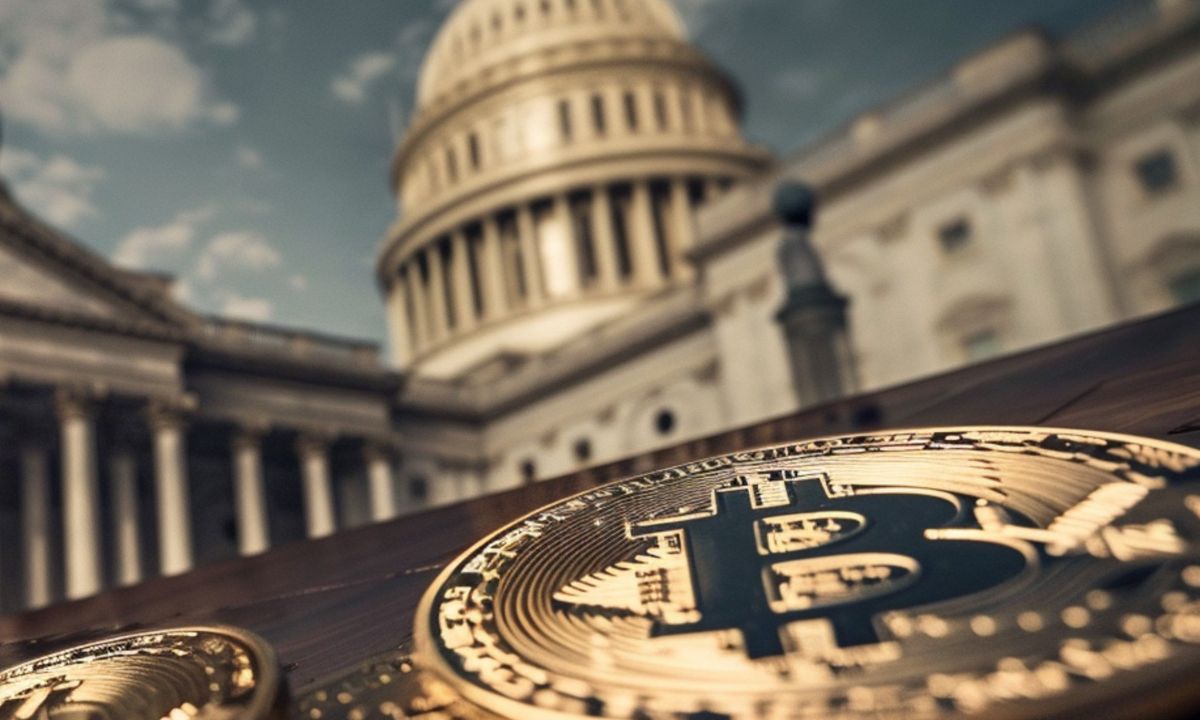
So, the Senate went and did a thing. A vote. On crypto. For years, this industry has been a Wild West, a digital gold rush where fortunes were made and lost in the blink of an eye, all operating in a regulatory purgatory that felt less like a pause and more like an eternity. Everyone, and I mean everyone from the tweed-jacketed academics pontificating at Davos to the hoodie-clad developers slinging code in Brooklyn, expected this vote to be the moment. The signal. The clarity. The big ‘aha!’ that would finally draw a line in the sand. And what do we have? A bill passed, sure. But clarity? That’s apparently still stuck in committee.
This isn’t some abstract legislative exercise. For folks actually in the crypto trenches, this means continued uncertainty. Imagine building a skyscraper on land where the zoning laws change by the hour. That’s been the reality for many crypto firms, especially those dealing with stablecoins – the digital dollar equivalents that are supposed to be, you know, stable. The hope was that this legislation would finally define what’s what, who’s responsible for what, and how the heck regulators are supposed to keep tabs on this ever-shifting landscape without stifling innovation into oblivion.
And here’s the kicker: who actually benefits from this muddled situation? It’s a question I’ve been asking for two decades covering tech. When things are unclear, it often benefits the incumbents, the ones with deep pockets and armies of lawyers who can navigate the fog. Or, conversely, it benefits the most agile, the ones who can pivot and adapt to whatever new rule (or lack thereof) emerges next. It certainly doesn’t make life easier for the small startups trying to build something legitimate.
Who Wins When No One Really Knows?
This vote, intended to provide a framework for stablecoin regulation, was supposed to be a beacon. Instead, it feels like a flickering candle in a hurricane. The legislation, while passed by the Senate, still has a long way to go. It needs to clear the House and, if it’s not identical to any House bill, a conference committee. This process can take months, even years, and during that time, the only thing certain is more uncertainty.
The bill’s focus on stablecoins is significant. These digital tokens are the lifeblood of much of the crypto economy, facilitating trades and payments. Without clear rules, their issuers are essentially operating on borrowed time. The risk of a run on a poorly regulated stablecoin is a persistent, if often downplayed, threat. The Senate’s action is a step, but it’s not the finish line. It’s more like taking a breath before the next marathon leg.
It’s like trying to explain the internet to someone in 1993. You know it’s big, you know it’s going to change everything, but the specifics? They’re still being written. This crypto bill has the potential to do the same, but the writing is proving to be excruciatingly slow and, dare I say, a bit vague.
“We’re going to have to have a lot more legislation to make sure that we have a stable digital ecosystem.”
That quote, from a senator involved, is telling. It’s not ‘we have a stable digital ecosystem,’ it’s ‘we’re going to have to have a lot more legislation.’ This isn’t a definitive statement; it’s a deferral. It’s a handshake with a question mark attached. And in the high-stakes, volatile world of cryptocurrency, a question mark can be more damaging than a direct ‘no.’ It breeds caution, it stifles investment, and it forces companies to spend valuable resources on legal maneuvering rather than product development.
Is This a Win for Traditional Finance?
Look, when new technology disrupts an established industry, the incumbents always get a bit antsy. They’ll lobby, they’ll posture, and they’ll push for regulations that, conveniently, favor their existing business models. The uncertainty in crypto, for a while, actually benefited traditional finance by making it harder for crypto-native companies to truly compete on a level playing field. Now, with this bill, there’s a path, however winding, towards more established oversight. This might, might, make it easier for big banks and payment processors to integrate crypto services or at least feel more comfortable doing so, knowing there’s a regulatory structure, even if it’s still being built.
The irony is that many of these traditional players were the loudest critics of crypto’s lack of regulation. Now that some regulation is on the horizon, the symphony of ‘clarity!’ might turn into a chorus of ‘wait, not that kind of clarity!’ It’s the perpetual dance between innovation and control, and it rarely ends with a clear winner for the disruptor.
The core issue isn’t just about passing a bill; it’s about passing the right bill. One that fosters innovation while mitigating risks. Right now, the Senate has cleared a hurdle, but the race to a truly defined crypto future is far from over. Expect more debates, more amendments, and a whole lot more lobbying before anyone can definitively say what the ‘stable’ digital ecosystem will look like. And, as always, I’ll be watching to see who’s holding the bag when the dust settles.