The gears of the US financial system are grinding, but not in the way you might think. Forget abstract market shifts for a second. Think about your paycheck arriving on time, that crucial business transaction clearing without a hitch, or the sheer velocity of capital enabling everything from your morning coffee to global supply chains. These everyday realities are underpinned by the plumbing of high-value payment systems, and two of the most critical — CHIPS (Clearing House Interbank Payments System) and Fedwire — are finally getting a much-needed, and frankly overdue, overhaul.
For years, these systems have been the silent, humming workhorses of American finance, handling hundreds of billions, even trillions, daily. Yet, much of their underlying infrastructure feels less like cutting-edge technology and more like a well-maintained but ancient steam engine. The market’s expectations, however, haven’t stayed put. They’ve evolved, demanding more than just speed and settlement efficiency. They’re asking for resilience, agility, and the ability to integrate with the dizzying array of new digital financial services popping up.
The news, ostensibly about modernization efforts by CHIPS and Fedwire, really signals a fundamental architectural shift. It’s not just about faster transactions; it’s about transforming these once purely utilitarian back-end utilities into strategic capabilities. This is where Volante Technologies, a company positioned as a key player in this modernization, comes in. Their promise is to move financial institutions from clunky, legacy systems to cloud-native, agentic AI-powered platforms that can handle domestic and global payment rails with newfound speed and self-sufficiency.
Imagine a world where payment systems aren’t just pipes, but intelligent conduits. That’s the underlying architectural ambition. The old way meant systems were built for specific, predictable flows. The new paradigm, pushed by the likes of Volante, is about creating platforms that are inherently adaptable, capable of ingesting new protocols, processing diverse transaction types, and scaling on demand. This isn’t just a software update; it’s a philosophical change, moving from rigid, batch-oriented processes to fluid, event-driven architectures.
Why Does This Matter For the Average Person?
This isn’t just boardroom chatter about APIs and cloud migration. For the average person, a modernized CHIPS and Fedwire translates directly into a more stable, responsive, and potentially more innovative financial ecosystem. When these core systems are strong and adaptable, they can absorb shocks better (think financial crises or unexpected surges in transaction volume) and pave the way for faster adoption of new payment methods and financial products. It means fewer glitches, fewer delays, and the underpinnings of a financial system that can keep pace with the speed of digital life, not lag behind it.
It’s like upgrading the nation’s power grid. You don’t see the power lines, but a more efficient, resilient grid means fewer blackouts and the capacity to handle the demands of new technologies like electric vehicles. Similarly, an upgraded payment infrastructure enables a smoother flow of money, which is the lifeblood of any economy. The potential downsides? If this modernization falters, or if the new systems introduce unforeseen vulnerabilities, the impact could be significant, rippling through every financial transaction we make.
The Ghost of Legacy Systems Past
For decades, CHIPS and Fedwire have operated on systems that, while reliable, were not designed for the digital tsunami we’re experiencing today. Think of COBOL running critical banking functions – it’s impressive it still works, but it’s hardly the architecture you’d choose for a brand-new fintech startup. This modernization effort is, in essence, a massive undertaking to exorcise the ghosts of these legacy systems.
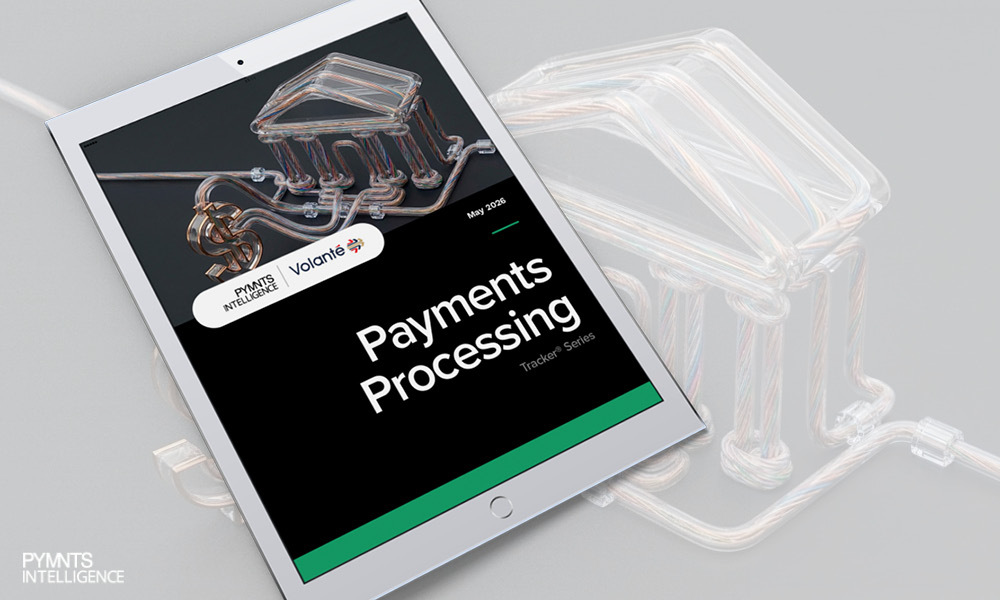
The PYMNTS Intelligence report underscores this, noting that while expectations have evolved, the infrastructure supporting these crucial payment rails hasn’t kept pace. It’s a classic case of technical debt accumulating to a point where a wholesale replacement, or at least a radical transformation, becomes inevitable. The goal isn’t just to make them faster, but to make them more flexible, allowing them to integrate with the broader digital economy and support a wider range of payment services.
While expectations are evolving, much of the infrastructure supporting CHIPS and Fedwire has not kept pace.
This statement, stark in its simplicity, is the crux of the problem. It highlights the gap between what the financial world needs and what the existing infrastructure can deliver. It’s this gap that companies like Volante are aiming to bridge, promising a “Payments as a Service” platform that use AI and low-code capabilities to untangle the complexity of modern payments.
One unique insight here is the shift in perception: these aren’t just utilities anymore. The push to modernize frames them as “strategic capabilities.” This redefinition is important. It suggests a future where the core payment rails are not just conduits, but active participants in creating new financial products and services. It’s a move from passive infrastructure to active enablement, allowing banks and financial institutions to innovate more rapidly on top of these foundational layers.
The question, of course, is how much of this is genuine architectural evolution and how much is corporate spin wrapping up a necessary infrastructure upgrade in buzzwords. Volante’s claims about agentic AI and low-code are certainly ambitious. The real test will be in the execution – whether these modernized systems can truly deliver on the promise of agility and self-sufficiency for institutions that have, for so long, been beholden to rigid, outdated technology.
What Does This Mean for Banks?
For the banks themselves, this modernization is less an option and more an imperative. They’re caught between the demand for digital innovation from customers and the reality of their own aging core systems. The promise of platforms like Volante’s is that they can accelerate this transition, allowing banks to re-platform their payment operations without a complete, disruptive rip-and-replace. The emphasis on cloud-native and multi-cloud suggests a move towards greater flexibility and resilience, enabling banks to scale their payment processing up or down based on demand, and to deploy new services more quickly.
This is where the “self-sufficiency” pitch is compelling. Traditionally, banks have relied heavily on external vendors for even minor changes to their payment systems, a process that can be slow and costly. A low-code approach, if implemented effectively, could empower banks to manage and adapt their payment infrastructure with greater internal control and speed, directly addressing the agility gap.
🧬 Related Insights
- Read more: Temenos’ SaaS Ambitions on AWS: Core, Digital, Payments Unified?
- Read more: Fed Exposes Stablecoin Myth: Trillions Idle, Payments a Pipe Dream
Frequently Asked Questions
What exactly are CHIPS and Fedwire? CHIPS is a large-value, end-of-day gross settlement system for U.S. dollar payments, primarily used by large financial institutions. Fedwire is a real-time gross settlement (RTGS) system, also for large-value payments, operated by the Federal Reserve.
Will this modernization make my bank transfers faster? Potentially, yes. Modernized systems are designed for greater efficiency and can reduce processing times. However, the actual speed of your transfers will also depend on your bank’s internal systems and the specific service used.
Could this lead to new payment options? Absolutely. A more modern, flexible infrastructure is a prerequisite for integrating new payment technologies and services, which could mean more choices for consumers and businesses in the future.