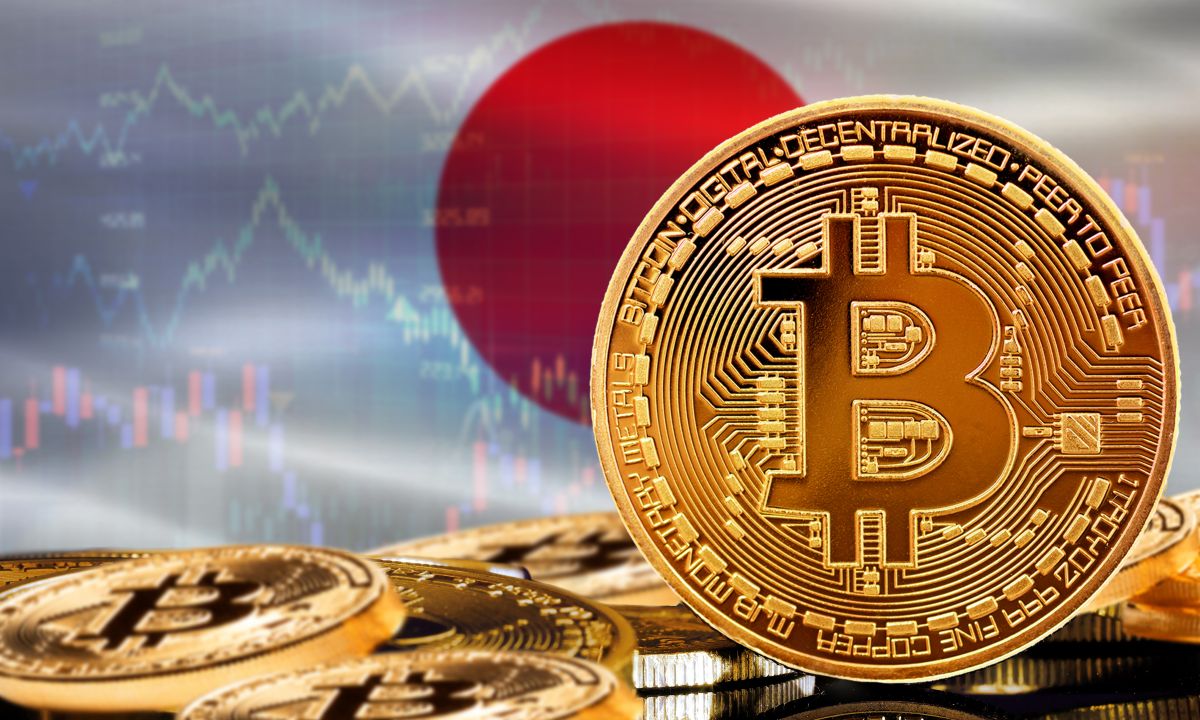
Here’s the data point that should make anyone involved in digital assets in Japan sit up and take notice: operating without registration under the proposed new framework could land you in prison for 10 years. That’s a stark jump from the current three-year maximum. And the fines? They’re set to skyrocket from 3 million yen to a cool 10 million yen – roughly $62,000 USD. This isn’t just tweaking the rules; it’s a fundamental reclassification of crypto, moving it squarely into the Financial Instruments and Exchange Act, the same law that governs stocks and securities. For years, Japan’s Financial Services Agency (FSA) has juggled crypto under the Payment Services Act, largely viewing it as a digital currency for transactions. But market realities have clearly caught up. Crypto isn’t just a payment tool anymore; it’s an investment instrument, and Tokyo is finally treating it as such.
The implications here are enormous. We’re talking about a potential overhaul of how exchanges operate, how assets are listed, and how investor protections are enforced. The speed is also noteworthy. Nikkei reports that if this measure passes during the current legislative session, we could see this new regime kick in as early as fiscal 2027. That’s a tight timeline for what promises to be a complex regulatory transition.
Is Japan alone in this tightening grip? Hardly. The global trend is undeniably towards greater regulatory clarity and, frankly, control. But Japan’s move is particularly significant given its historical position as one of the first major economies to implement a comprehensive crypto regulatory framework after the Mt. Gox collapse. This new classification suggests a maturation of both the market and regulatory thinking, moving beyond purely operational concerns to encompass systemic financial risk and investor safeguarding.
What’s fascinating, and perhaps a bit ironic, is the timing. This regulatory push in Japan comes as the Federal Reserve is releasing data showing that many stablecoins, often touted as the bridge between crypto and the real economy, are barely touching actual commerce. A recent briefing from the Federal Reserve Bank of Kansas City, as reported, found that most stablecoin activity is either sitting idle or confined within the crypto market itself, not flowing into payments for goods and services. This disconnect between potential and actual utility is a recurring theme, and it underscores why regulators are so keen to understand where these assets are actually going and how they’re being used.
“The takeaway is blunt: payments barely register, while most activity remains inactive or tied up in financial infrastructure rather than commerce.”
This observation from the PYMNTS report on stablecoins highlights a broader unease. Firms are testing stablecoins, yes – over 40% have discussed or tested them – but only 13% are actually using them. The hesitation isn’t about rejection, but about waiting for operational clarity. How do these digital assets integrate with existing treasury systems and payment workflows? It’s a question many businesses are still grappling with.
Japan’s decision to treat crypto as a financial product, with all the attendant responsibilities and liabilities, suggests they’re moving to force that operational clarity. By bringing crypto under the umbrella of traditional financial regulation, they are implicitly demanding that it function with the same level of transparency, risk management, and investor protection as stocks and bonds. This is less about encouraging innovation and more about ensuring stability and preventing misuse.
For crypto businesses operating in or eyeing the Japanese market, this is a wake-up call. The days of operating in a regulatory gray area are rapidly diminishing. The stakes are higher, the penalties are steeper, and the expectation is that these entities will behave like legitimate financial institutions. This will likely lead to increased compliance costs, a higher barrier to entry for new players, and a shakeout of those who can’t or won’t meet the new standards.
Is This the End of Crypto in Japan?
Absolutely not. Japan was an early adopter of crypto exchanges and has a significant retail and institutional interest. Instead, this is a move towards structured integration. It’s about saying, ‘If you want to play in our financial sandbox, you need to follow our rules.’ This could, in the long run, foster greater trust and institutional adoption by providing a clearer, more predictable regulatory environment. But the transition will undoubtedly be challenging, and for some, perhaps even prohibitive.
Why Does This Matter for Global Regulators?
Japan, like other major economies, is signaling that the novelty of crypto is wearing off. Regulators are increasingly focused on market integrity, consumer protection, and financial stability. The fact that stablecoins, a seemingly more “real-economy” focused crypto asset, are failing to gain traction in actual payments while Japan is moving to regulate crypto as a financial product, suggests a divergence. It indicates a global regulatory consensus is coalescing: crypto assets, regardless of their intended use, carry financial risks that warrant stringent oversight, and their potential for integration into traditional finance requires a strong, if not cautious, approach.
This regulatory pivot by Japan isn’t just a domestic policy change; it’s a strong signal to the global crypto community. It reinforces the idea that compliance isn’t optional and that the future of digital assets lies in their careful, regulated integration into the broader financial system, not in operating as a separate, unregulated frontier. The era of wild west crypto in major economies is decidedly over.