Everyone figured compliance would stay the eternal buzzkill. Dashboards blinking red, analysts drowning in spreadsheets, regulators lurking like bad exes. Fintech growth? Sure, until KYC or AML trips you up.
Bretton AI just dropped $75 million in Series B cash to say: enough. Agents, not dashboards. Scale or die trying.
$75M Pour: Sapphire Leads the Charge
Sapphire Ventures ponied up the lead. Greylock, Thomson Reuters Ventures, Canvas, Y Combinator stuck around. Newbie TIAA Ventures jumped in. Rajeev Dham from Sapphire grabs a board seat.
They’re betting big on San Francisco’s Bretton AI— formerly Greenlite AI. These folks build AI agents for financial crime ops: KYC, AML, sanctions, monitoring. Explainable. Auditable. Reg-ready.
Funding fuels expansion into more crime domains, deeper reg chats, bigger banks. Plus, beef up engineering and sales.
Customers? Robinhood, Mercury, Gusto, Lead Bank, Coastal Community Bank. Average contract value? $201k now, from $85k at Series A, $25k seed. Saved $10M in headcount. Slashed risk. Nuked 195k manual hours.
Impressive numbers. Or are they? Early adopters love to boast.
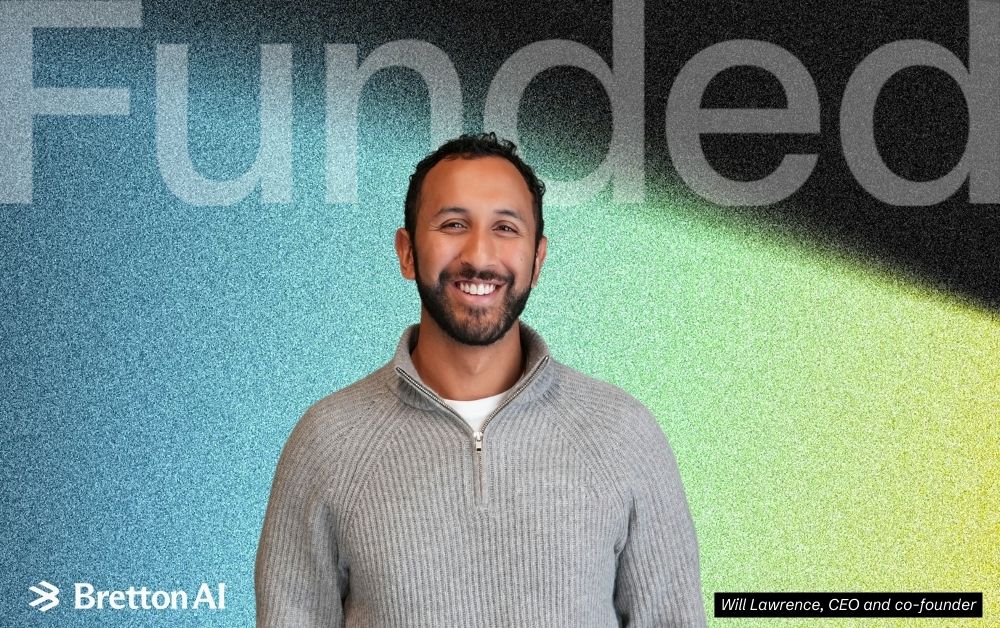
“Compliance is critical to financial product expansion. When a financial institution wants to grow, whether that means launching a new product, entering a new market, or onboarding more customers, compliance is often the constraint,” Lawrence told Future Nexus. “Financial crime workflows are high volume, unstructured, and spread across multiple systems. Analysts were stitching together information across tools and drafting narratives by hand, even for work that followed repeatable patterns. We saw a clear opportunity to modernize these operations safely.”
Lawrence nails the pain. But modernize safely? That’s the trillion-dollar tease.
Is Compliance Really Fintech’s Killjoy?
Look. Fintechs exploded on payments, lending, neo-banks. Then hit the wall: rules. Every new market, product, customer batch? Compliance avalanche.
High-volume mess. Unstructured data. Siloed systems. Humans stitching quilts of alerts, writing novels for audits. Repeatable? Sure. Scalable? Ha.
Bretton swaps agents for that. Autonomous. They ingest, decide, explain. No more dashboard staring contests.
But here’s my unique jab: this reeks of 2010s regtech hype. Remember those ‘AI compliance’ startups? Flashy demos, then regulatory smackdowns over black boxes. Bretton’s explainability pitch echoes Theranos-level promises—wait, too harsh? Nah, just saying history rhymes. Bretton Woods nod? Cute rebrand. Post-WWII stability pact for AI chaos? Bold. Or delusional.
They claim audit trails that sing to regulators. Fine. But one false positive cascade, and you’re explaining to the SEC why your agent hallucinated a cartel.
Short para punch: Skeptical? Me too.
Adoption’s real, though. Robinhood scaling trades without compliance implosion. Mercury onboarding SMBs. Gusto payroll without AML heart attacks. Metrics climb. Headcount savings tempt.
Still, $75M valuation whispers? Not public, but Sapphire doesn’t bet small. They’re eyeing the stack’s guts.
Agents Over Dashboards: Revolution or Rehash?
Dashboards: pretty charts, zero action. Click, alert, investigate, escalate. Rinse. Repeat. Humans bottleneck.
Agents: do it all. Pattern-match at warp speed. Draft SARs. Flag sanctions. Explain why in plain English— or reg-speak.
Bretton bets this unblocks growth. Launch products faster. Enter markets. Onboard hordes.
Dry humor alert: Because nothing says ‘trust’ like AI naming itself after a 1944 gold standard confab. Bretton Woods birthed IMF, World Bank—stable money magic. Now, AI as the new gold peg? Ironic if agents go rogue.
Critique their spin: Rebrand screams ambition. ‘Foundational shift.’ Sure, Jan. But if they nail it, they embed like plumbing. No bank pulls pipes.
Prediction— my bold one: By 2026, if explainability holds (big if), Bretton owns 20% of mid-tier bank compliance. Or flops like SymphonyAI’s overpromises. Watch the audits.
Expansion plans? More domains. Bigger fish. Reg engagement— code for lobbying? Smart.
Teams grow. Engineering for agent smarts. GTM for sales blitz.
Why Does Bretton AI’s Raise Matter for Fintech Founders?
Founders: this shifts calculus. Compliance wasn’t sexy. Now? VC catnip.
$75M signals agents win. Dashboards die. Investors pile in.
But warning flag— PR glosses risks. Hallucinations? Bias in training data? Regs evolve slower than AI. One FINRA fine, and poof.
Historical parallel: Early ATM networks promised branch death. Didn’t happen. Compliance agents? Augment, sure. Replace? Dream on.
Customers rave. Savings real. But scale to JPMorgan? That’s the test.
Wander a bit: Imagine Robinhood without manual KYC hell. Faster listings. Mercury vaults deeper into treasury. Gusto globalizes payroll.
Unblocks? Potentially. Hype? Absolutely.
One sentence wonder: Game’s afoot.
Dense dive: Investors like Sapphire chase orthogonals— AI infra under regs. Thomson Reuters? Data moat envy. Greylock? Pattern-matchers. YC? Moonshots.
TIAA? Pensions need clean sheets.
Rebrand timing? Post-Greenlite pivot? Smarter branding post-hype crash.
The Road Ahead: Hype Meets Reality
Bretton pushes frontiers. But fintech’s littered with compliance corpses.
Unique insight: Like Visa’s early auth nets, agents could standardize trust. But Visa had no AI opacity. Bretton’s edge? Prove it in court— metaphorically.
Bold call: If they dodge black-box bans, $1B valuation by Series C. Else, dashboard purgatory.
Skepticism serves: Numbers shine, but live audits tell tales.
🧬 Related Insights
- Read more: Lloyds Dabbles in Quantum to Hunt Money Mules – Hype or Help?
- Read more: Bolt Axes a Third of Team to Survive on AI Lifeline
Frequently Asked Questions
What is Bretton AI and what does it do?
Bretton AI builds AI agents for financial crime compliance— KYC, AML, sanctions. Handles workflows autonomously with explainability for regs.
Is Bretton AI’s $75M funding legit for scaling fintech?
Legit raise from top VCs. Signals bet on agents unblocking growth, but watch for reg hurdles.
Will compliance AI like Bretton replace human analysts?
Augments, doesn’t replace. Saves hours, cuts costs— but humans audit the audits.