Fifteen to nine. That’s the sound of a tectonic shift moving, even if it’s just a committee vote. The Senate Banking Committee just gave a thumbs-up to the Clarity Act, a bill that’s been floating around for what feels like an eternity, tasked with charting a course through the wild, uncharted waters of crypto and DeFi market infrastructure. This isn’t just another bureaucratic rubber stamp; it’s a clear signal that the established powers are finally grappling with the digital revolution, whether they fully grasp its implications or not.
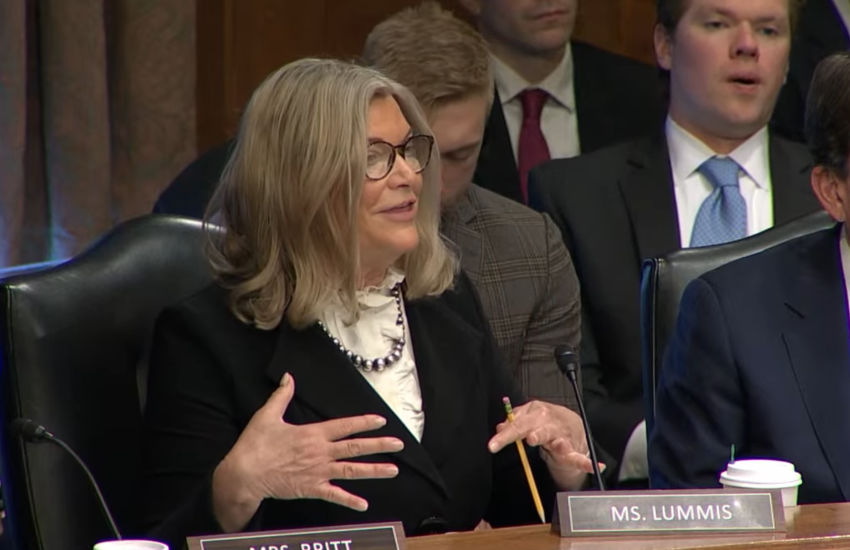
So, what’s the big deal? For months, the industry has been holding its breath, waiting for some semblance of clarity, a rulebook for the digital frontier. And here we are. All nine Republicans were a unified bloc, joined by two Democrats, Senators Gallego and Alsobrooks. Amendments? Democrats tossed a bunch in, like kids throwing toys out of the sandbox, but they all got smacked down. Some tweaks from Republican Senator Lummis, however, found favor, with a handful passing with broad bipartisan support, a small olive branch extended to moderate Democrats like Cortez Masto, Warner, and Warnock.
The Edge of Revolution, With Reservations
Even those who nudged the bill forward, like Senator Alsobrooks, weren’t exactly doing cartwheels of joy. Her comments paint a picture we’ve heard before, a kind of reluctant embrace of the inevitable. She dropped a gem, a quote that echoes the sentiment of so many grappling with this accelerating wave: “The truth is this digital revolution is happening with us or without us. Whether or not we regulate it to create the rules of the road or not, it is here.” It’s like standing at the edge of a waterfall, knowing you have to jump, but wishing you had a better life jacket.
But here’s the kicker: her vote today, she stressed, was for continued good-faith work, not a blank check for final passage. Ethics clauses, law enforcement concerns – these are the lingering shadows, the crucial pieces missing from the puzzle. It’s a vote to keep the conversation going, a promise to negotiate the finer points, not an unreserved endorsement. The stablecoin clause, a detail Senator Lummis worked on with Republican Senator Tillis, hints at the granular battles still to be fought.
Is This the Real Clarity, Or Just a Glimmer?
Look, the Clarity Act is trying to build the guardrails for the digital highway. It’s an acknowledgement that the train has left the station, and trying to stop it is futile. Instead, the goal is to prevent derailments. This committee vote, while significant, is just the first bend in a long, winding road. The real test will be a full Senate vote, and the ongoing battle over those ethical considerations and law enforcement demands.
My unique insight here? This isn’t just about crypto or DeFi; it’s about how traditional legislative bodies, often perceived as dinosaurs, are being forced to adapt to a world that’s evolving at light speed. They’re like blacksmiths suddenly asked to build a smartphone. The very fact that a committee is dissecting market infrastructure for digital assets, even with all the hand-wringing, signals a fundamental platform shift. AI, for instance, is doing the same to every other industry. This regulatory dance is the analog world’s slow, deliberate response to the digital tsunami.
But let’s not get it twisted. This isn’t the finish line. It’s more like crossing the threshold of a dimly lit, unfinished workshop. The bill has passed a crucial gate, but the real work – shaping it into something that truly fosters innovation while protecting consumers and the broader financial system – is just beginning. The skepticism from some Democrats, their insistence on more strong ethics and law enforcement provisions, is the voice of caution that’s absolutely necessary. Without it, we risk building a digital future on shaky foundations.
This is the kind of progress that feels both exhilarating and terrifying. It’s the clumsy, necessary dance of old institutions learning new steps, trying to keep pace with a future that’s already here. The clarity the industry craves might still be a ways off, but this vote is a solid step towards illuminating the path forward. The question now is how brightly that path will be lit, and who gets to hold the lantern.
What Happens Next?
This bill’s journey doesn’t end at the committee door. It needs to clear the full Senate, a much larger and more politically diverse arena. Then, it heads to the House. Each step is an opportunity for amendments, debate, and potential roadblocks. The fact that some Democrats are already signaling their reservations about a final vote is a stark reminder that passage is far from guaranteed. The details matter, and those ethical clauses aren’t just footnotes; they’re potential deal-breakers.
🧬 Related Insights
- Read more: TFCU Unlocks Investing Within Online Banking
- Read more: MoonPay’s AI Agents Card: Stablecoin Spending Arrives
Frequently Asked Questions
What is the Clarity Act?
The Clarity Act is proposed legislation aimed at establishing market infrastructure rules for the cryptocurrency and Decentralized Finance (DeFi) sectors.
Why is this bill important for crypto?
It’s important because it seeks to provide much-needed regulatory clarity and establish a framework for how crypto and DeFi markets should operate, potentially fostering greater stability and investor confidence.
Will this bill become law soon?
Passing the Senate Banking Committee is a significant step, but the bill still needs to pass the full Senate and the House of Representatives, which could take considerable time and face further debate and amendments.