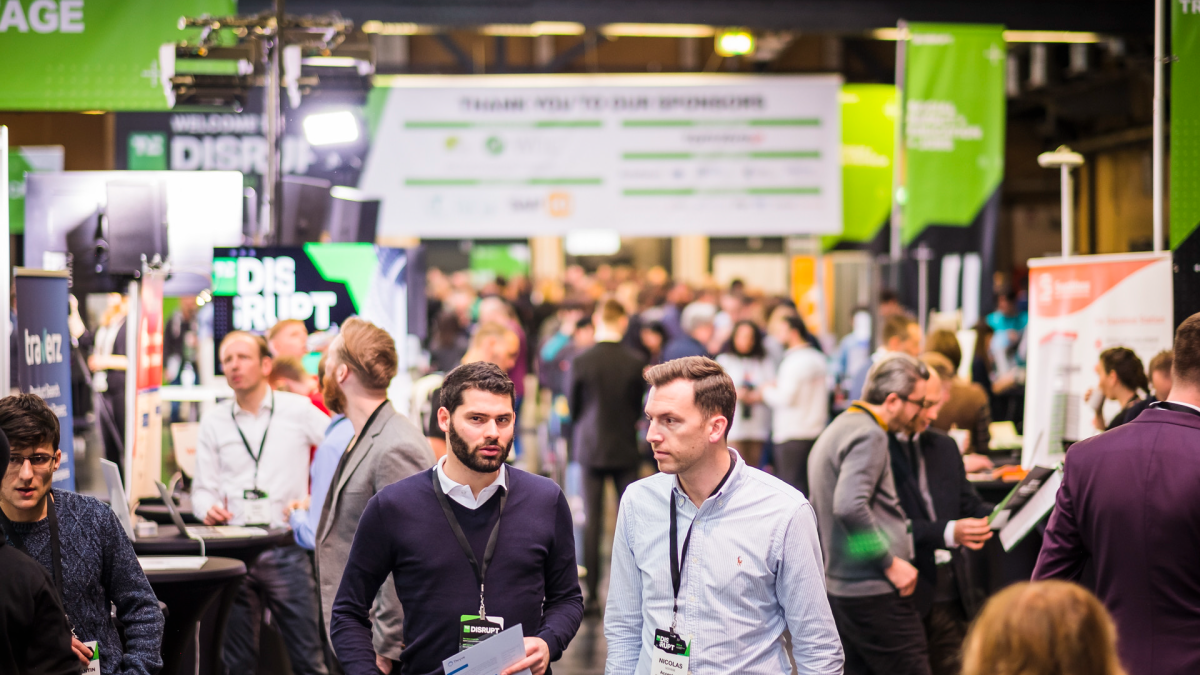
Look, we all expected TechCrunch Disrupt to be the place. The annual pilgrimage for founders drowning in Series A ambition and investors nursing their VC portfolios. The promise has always been the same: connection, innovation, and most importantly, deals. This year, with Disrupt 2026 looming, the pitch is a bit more direct: rent a table, get business. They’re not just selling attendance anymore; they’re selling a pipeline.
And here’s the thing. For 20 years, I’ve seen the shiny brochures, the inflated attendee numbers, and the breathless press releases. This particular iteration, focusing on an ‘exhibit table’ as the key to unlocking ‘measurable business growth,’ feels like they’re cutting through the noise. They claim startups don’t need more ‘awareness’ – a buzzword I despise more than lukewarm coffee – but customers, investors, and partners. It’s a more grounded ask, I’ll give them that. But the core question remains: does renting a 6-foot table at Moscone West on October 13-15 actually deliver? Or is it just another well-marketed cash grab for the organizers?
Does a Booth Actually Build Business?
The organizers are painting a picture of concentrated deal flow. They’re touting direct access to buyers, investors practically tripping over each other, and brand credibility just by association with the TechCrunch name. It sounds… convenient. You get leads via an app, your investor outreach supposedly shortens, and your startup gets plastered across their website and app. It’s the full marketing-suite treatment, minus the actual marketing team you’d typically have to hire.
But let’s peel back the veneer. What are we really buying here? A spot in an Expo Hall. Ten passes for your team – a crucial detail, because you can’t be in five places at once, even if you’re trying to land your next round, hire a killer engineer, and secure a strategic partnership. They’re essentially selling you a concentrated burst of networking opportunity. The question is whether that burst is a lightning strike or just a flicker.
Your startup doesn’t need more ‘awareness.’ It needs customers, investors, and strategic partners.
This quote from the promotional material is the crux of it. It’s the ideal scenario, the Platonic form of a trade show for startups. But the reality? The Expo Hall at any major tech conference is a cacophony of competing pitches, free schwag, and hopeful founders. Turning that into measurable growth requires more than just a table and a logo on a thank-you slide.
The ROI of a Tablecloth and a Chair
Let’s talk numbers, because that’s where the real story always lies. The exhibitor package includes the essentials: a table, chairs, signage, lead generation via the app, and Silver Tier sponsor branding. You also get a listing in the sponsor directory and access to the press list – which, frankly, is often more noise than signal unless you’re already on their radar. The kicker is the ability to buy additional General Admission passes at 50% off. So, they’re not just selling you the table; they’re selling you more access for your team, presumably to swarm the attendees.
But what’s the actual cost? The article conveniently leaves that out, which is telling. TechCrunch Disrupt isn’t exactly cheap. Exhibiting at a premier event like this often runs into the tens of thousands of dollars, depending on the package and sponsorship level. For a startup that’s likely still burning cash to achieve product-market fit, that’s a significant chunk of change. Is the potential for ‘faster deals,’ ‘stronger partnerships,’ and ‘higher-quality opportunities’ worth that investment? That’s the gamble.
Think about it historically. We’ve seen countless tech conferences rise and fall, promising the moon and delivering little more than tired feet and a stack of business cards that will never be followed up on. The difference now is the increasingly aggressive, direct sales pitch for these ‘exhibitor packages.’ It’s less about a passive showcase and more about an active, albeit limited, sales floor.
Who’s Actually Making Money?
This is the question that keeps me employed. TechCrunch makes money by selling these tables and sponsorship packages. Startups hope to make money by attending. But the math isn’t always in their favor. The attendees, the ‘10,000+ founders, investors, operators, and decision-makers,’ are the product for the advertisers and sponsors. They are the raw material for the ‘deal flow’ TechCrunch is hawking. And while some startups will undoubtedly find valuable connections, many will simply find themselves part of a very expensive billboard.
The ‘limited first-come, first-served availability’ is a classic scarcity tactic. It creates urgency, pushing hesitant founders to sign on the dotted line before they’ve fully vetted the ROI. It’s a sound business strategy for the event organizers, and a high-stakes gamble for the startups. The proof, as always, will be in the follow-up and the actual deals closed six months down the line, not just the badge scans at the event.
🧬 Related Insights
- Read more: Perpetuals’ Quantum-Resilience-as-a-Service: Fintech’s Latest Panic Button?
- Read more: Chainalysis Backs Tempo: Stablecoins Finally Get Real-World Compliance Wings
Frequently Asked Questions
What is TechCrunch Disrupt 2026? TechCrunch Disrupt 2026 is an annual tech conference held in San Francisco, bringing together founders, investors, and tech industry professionals for networking, product launches, and discussions on innovation.
What does an exhibit table at Disrupt 2026 include? An exhibit table typically includes a small booth space with a table, chairs, basic signage, lead generation tools via the event app, and promotional listings in the event’s sponsor directory and website.