AI Runs Payments. Governance Decides.
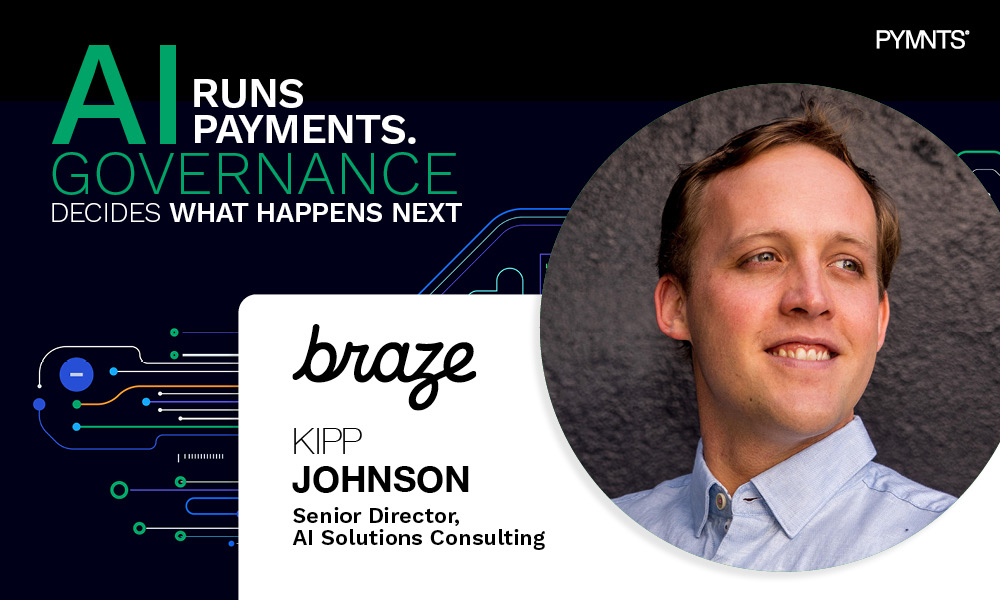
Simple enough, right? Except the fintech world seems perpetually mesmerized by the shiny new object. Braze, through Senior Director Kipp Johnson, drops a timely dose of reality into the AI-powered payments discussion. It’s not just about building the smartest algorithm; it’s about controlling it. And controlling it well.
Look, everyone’s got an AI chatbot these days. They can draft emails, write poetry, and, apparently, run your entire payment infrastructure. But while the silicon brains are busy crunching numbers and routing transactions at warp speed, who’s watching the shop? Who’s ensuring compliance? Who’s accountable when things go sideways – and they will go sideways?
Johnson’s piece, embedded within a PYMNTS eBook aptly titled “AI Runs Payments. Governance Decides What Happens Next,” hammers home a point many seem content to gloss over. It’s the digital equivalent of giving a teenager the keys to a supercar without teaching them how to brake. Sure, they can go fast. But can they stop?
Is AI Actually Driving Payments?
This isn’t some hypothetical future scenario. AI is already deeply embedded in payment processing, fraud detection, and customer service. It’s making decisions faster than any human could. It’s identifying patterns we’d never spot. The potential for efficiency and innovation is, admittedly, immense. But immense potential often comes with immense risk. And that’s where governance steps in, not as an afterthought, but as a fundamental pillar.
Johnson highlights that this isn’t just about setting up a few rules and walking away. It requires deliberate investment. We’re talking about dedicated specialists, strong observability tools, and a culture that prioritizes ethical AI use and stringent oversight. Without this deliberate approach, the very AI systems designed to streamline payments could become the architects of chaos. Imagine an AI flagging legitimate transactions as fraudulent, or worse, manipulating payment flows for nefarious purposes. It’s not science fiction; it’s a very real possibility if governance is weak.
“AI requires deliberate investment in governance, observability and specialists.”
This quote, plain and simple, cuts through the hype. It’s not just plug-and-play. It’s not just about feeding more data into the machine. It’s about building a safe, reliable, and ethical ecosystem around the AI. It’s about ensuring transparency and accountability. These aren’t buzzwords; they’re necessities for long-term survival in the payments space.
The Echoes of Past Financial Follies
Frankly, this feels like déjà vu. We’ve seen technological leaps in finance before, from the dawn of algorithmic trading to the rapid rise of cryptocurrencies. Each time, the initial excitement overshadowed the critical need for strong regulatory frameworks and thoughtful implementation. How did that work out? Let’s just say there were a few spectacular implosions along the way.
The current AI gold rush in payments is no different. Companies are scrambling to integrate AI, promising transformative results, but often with a concerning lack of detail on how they’re managing the inherent risks. It’s a race to the top, and it feels like many are forgetting that a solid foundation is what prevents the whole thing from crumbling. Braze is essentially saying, ‘Slow down, build it right.’
The implication here is clear: companies that treat AI governance as a mere compliance checkbox are setting themselves up for failure. They’ll be the ones facing regulatory fines, reputational damage, and ultimately, losing customer trust. The ones who invest strategically in governance, transparency, and specialized talent? They’re the ones who will not only survive but thrive. They’ll be the winners.
What Does This Mean for Fintech’s Future?
It means the narrative needs to shift. We need to stop focusing solely on the ‘what’ AI can do and start prioritizing the ‘how’ it’s being managed. It means a renewed emphasis on regulatory bodies to keep pace with technological advancements, and for fintechs to proactively engage with them rather than reactively scrambling to comply after a crisis.
This is where the real innovation lies: building trust in AI-driven financial systems. It’s not about the speed of execution; it’s about the integrity of the process. It’s about ensuring that the automated decisions made by AI align with human values and legal requirements. The companies that master this balance, that demonstrate a clear commitment to responsible AI deployment, will be the ones shaping the future of payments. Those that don’t? Well, they’ll likely become cautionary tales, whispered about in those same PYMNTS eBooks.
The age of AI in payments is here. But the real test isn’t the AI itself. It’s our ability to govern it wisely. And that, my friends, is a much harder, and far more important, challenge.
**
🧬 Related Insights
- Read more: Drift’s $280M Solana Hack Freezes Largest Perps Exchange as Attack Rages On
- Read more: Adyen’s Assault on the CFO’s Treasury Nightmare
Frequently Asked Questions**
What does Braze recommend for AI governance in payments? Braze emphasizes deliberate investment in governance structures, strong observability tools to monitor AI performance, and the hiring of specialized personnel to manage and oversee AI systems.
Will AI replace human jobs in payments? While AI will automate many tasks, Braze’s perspective suggests a shift towards new roles focused on AI management, governance, and oversight. The need for human specialists remains critical, but their functions will evolve.
How can companies ensure AI payments are secure? Ensuring AI payments are secure involves building comprehensive governance frameworks, implementing constant monitoring through observability tools, and establishing clear accountability for AI-driven decisions, alongside traditional cybersecurity measures.