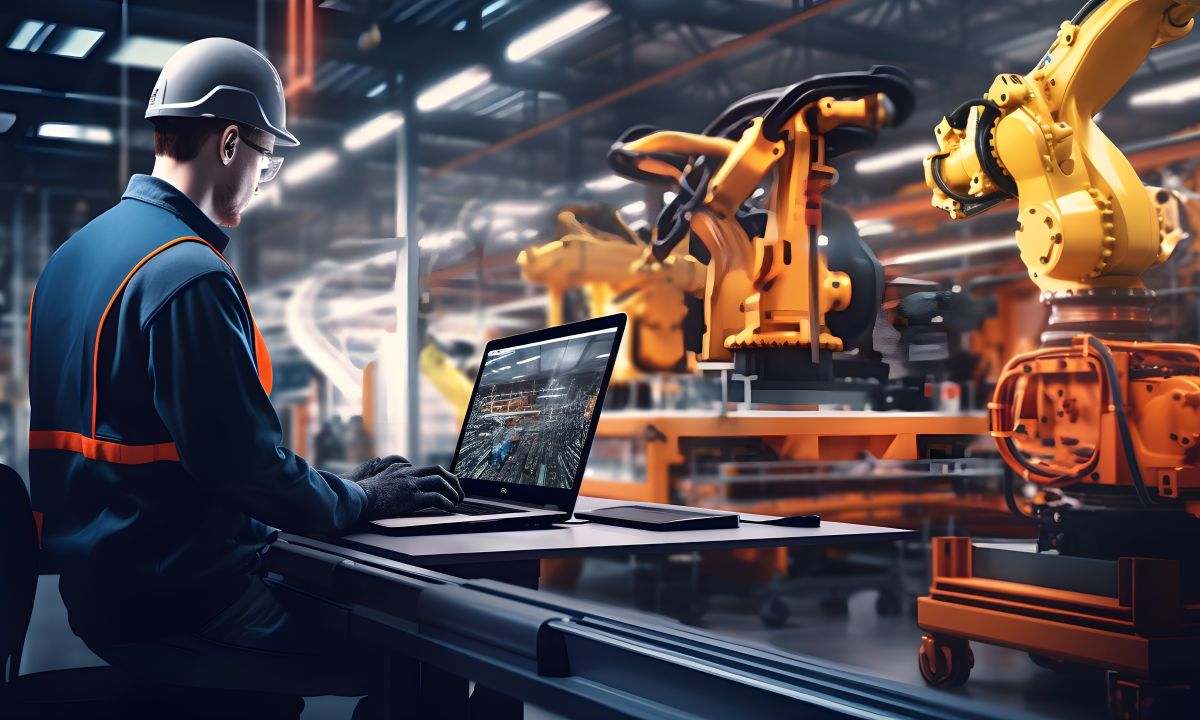
The coffee machine is humming. The line at the register is building. And somewhere, a new algorithm is deciding if a human worker is still needed for that last task. Sounds about right. A new report drops a statistic that’s less a surprise and more a confirmation of what we’ve all suspected: a significant chunk of the American workforce is getting acquainted with AI. Not in a boardroom, not in a think piece, but on the actual factory floor, the restaurant kitchen, the retail counter.
The Unprepared Majority
Here’s the kicker: 37% of hourly workers in the U.S. are already seeing AI tools creep into their daily grind. That’s a startling number. But wait, there’s more. These aren’t eager early adopters thrilled about efficiency gains. No, these folks feel decidedly unready. Financially unprepared, to be precise. This isn’t just about a new piece of software; it’s about livelihoods, about mortgages, about the rent that’s due next week. And the people most likely to be replaced or fundamentally altered by automation are the ones getting the first, unwelcome taste.
It’s easy for tech evangelists to paint AI as a benevolent force, a productivity booster that will free us from drudgery. But let’s be honest. For many, especially those in lower-wage, hourly positions, AI isn’t a liberation; it’s a looming threat. It’s the reason their hours might get cut, their skillset suddenly obsolete, or their pay stagnated because a machine can do it faster and cheaper. This report highlights a widening gap between the people building and deploying these technologies and the people whose lives are being reshaped by them, often without consent or adequate preparation.
A growing share of hourly workers in the United States are encountering artificial intelligence on the job before they feel financially prepared for it.
This is the core problem, isn’t it? The tech marches forward, driven by profit and innovation, while the human element trails far behind, often in a state of bewildered panic. We’re talking about people who, by the very nature of their work, often have fewer resources to adapt, retrain, or buffer themselves against economic shockwaves. Their jobs are frequently the ones that are repetitive, predictable – precisely the kind of tasks AI excels at automating.
The PR Spin vs. The Reality
Companies will, of course, spin this. They’ll talk about ‘upskilling’ and ‘collaboration’ and how AI will ‘augment’ human capabilities. Lovely words. But what does ‘augment’ mean when it means your job is now half the hours it used to be? What does ‘upskill’ mean when the new skills are so advanced that only a fraction of the displaced workforce can realistically acquire them, especially without significant financial support?
This isn’t a new story, of course. Technology has always displaced jobs. But the speed and scale of AI’s potential impact feels different. We’re not just talking about mechanizing one part of a process; we’re talking about intelligent systems that can learn, adapt, and perform tasks that were once thought to require human judgment. And for the people on the front lines of this shift, it’s a terrifying prospect, amplified by the gnawing uncertainty of how to pay the bills when the job itself is no longer secure.
Why This Matters for the Bottom Line (And Everyone Else)
This isn’t just about empathy, though that’s certainly in short supply. This is about economic stability. A large segment of the population feeling financially precarious because of technological advancement isn’t just a social issue; it’s an economic one. Consumer spending, demand, overall market health – it all takes a hit when a substantial portion of workers are in survival mode, unable to plan or invest in their futures.
The companies deploying AI are often betting on increased efficiency and reduced labor costs. Fair enough, from a purely capitalist perspective. But they also rely on consumers to buy their products and services. If those consumers are hourly workers who are increasingly anxious about their financial future, that’s a feedback loop that’s unlikely to end well for anyone. We’re creating a workforce that’s not just unskilled for the future, but actively disadvantaged by it. It’s a recipe for social unrest and economic stagnation, dressed up as progress.
This trend, folks, isn’t going away. It’s accelerating. And the longer we pretend that AI adoption is a simple matter of technological advancement without acknowledging its profound, often destabilizing, human and economic consequences, the worse the inevitable reckoning will be. For those 37%, and for the 63% who might soon join them.