Core Providers Under Fire: OCC Inquiry Could Reshape Bank Compliance Forever
A bank's core system glitches, spitting out compliance nightmares. Now the OCC is circling, and one consultant says it's time providers paid up.
Google’s annual I/O developer conference was a masterclass in AI product deployment, yet its stock tanked 2%. Bank of America, however, is telling clients to load up.
A bank's core system glitches, spitting out compliance nightmares. Now the OCC is circling, and one consultant says it's time providers paid up.
Neobanks have emerged as digital-first alternatives to traditional banks, offering lower fees and sleek apps. But how do they stack up on safety, features, and long-term viability?
Buy now pay later has reshaped consumer credit by offering interest-free installment plans at checkout. Understanding how BNPL works reveals both its appeal and its risks.
Digital lending platforms have transformed how people and businesses access credit. Learn how online lending works, from application to disbursement and beyond.
White-label banking platforms let non-bank companies offer deposit accounts, cards, and lending products without a banking license. Here is how Banking-as-a-Service works.
Traditional credit scores leave millions of people unable to access affordable credit. New scoring models using alternative data are changing who qualifies and how risk is assessed.
InsurTech is modernizing one of the oldest financial industries through AI-powered underwriting, usage-based pricing, instant claims processing, and new distribution models.
Over 130 countries are exploring central bank digital currencies. Learn what CBDCs are, how they differ from existing digital money, and why they could reshape finance.
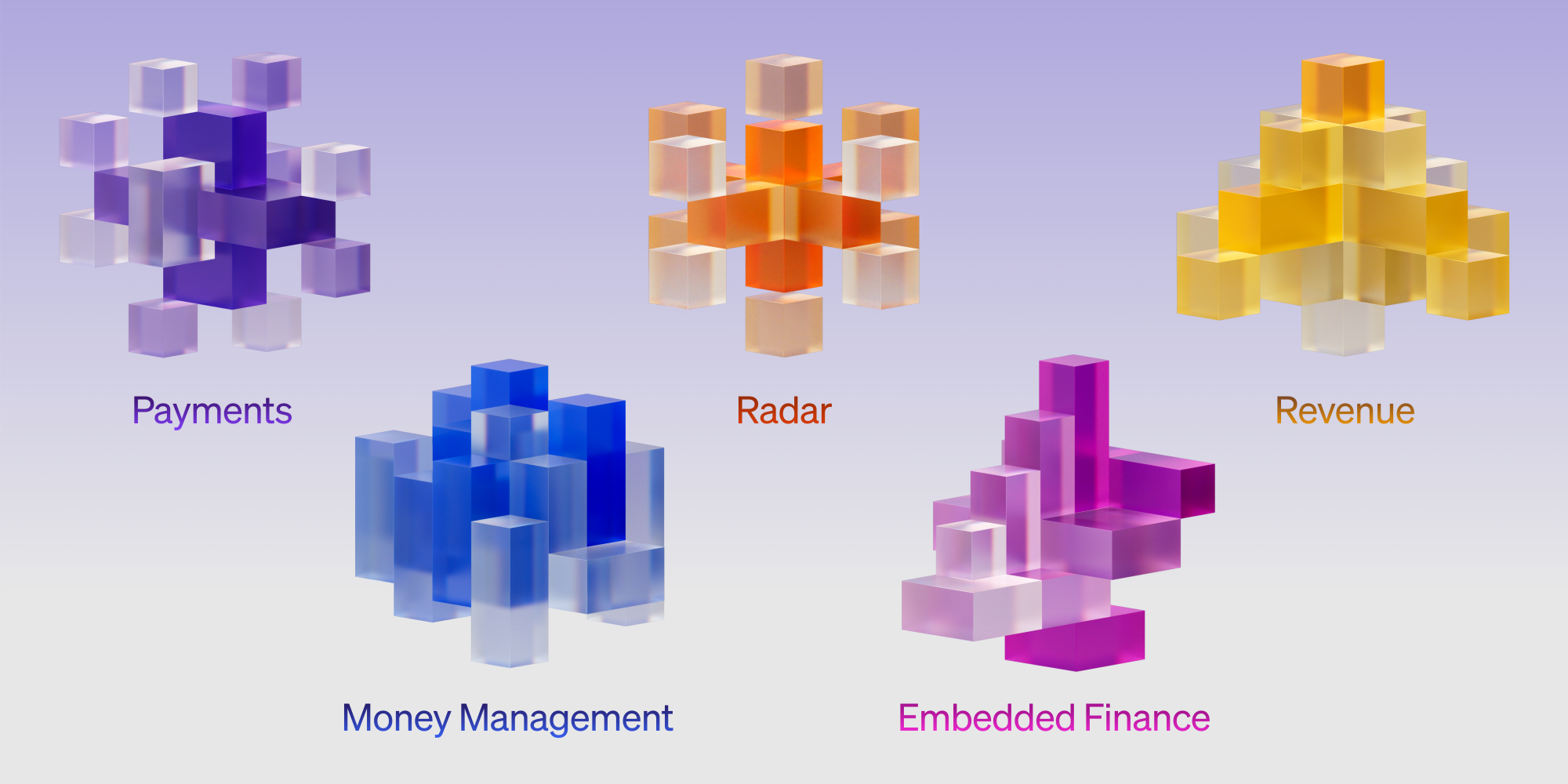
Embedded finance integrates financial services into non-financial platforms, letting companies like Uber, Shopify, and Amazon offer banking, lending, and insurance without becoming banks.
Anti-Money Laundering (AML) refers to the framework of laws, regulations, and procedures established to combat the financing of illegal activities and prevent criminals from profiting from their crimes. It's a critical component of financial system integrity, safeguarding against illicit flows of capital.
PSD2, or the Second Payment Services Directive, is a pivotal regulation reshaping the European financial landscape by fostering competition and innovation in payments. It achieves this by enabling secure access to banking data for third-party providers, leading to new services and enhanced customer experiences.
KYC and AML compliance are foundational obligations for every fintech company. This guide covers the regulatory frameworks, processes, and technologies that drive modern financial crime prevention.