Morgan Stanley's Bitcoin ETF: Wall Street's Cautious Crypto Toe-Dip
Morgan Stanley just dropped the first major bank Bitcoin ETF. Wall Street's finally playing with fire—or is it just collecting tolls on the highway to crypto hell?

Forget the USD dominance. AllUnity's new SEKAU stablecoin and its AI-driven payment infrastructure are poised to reshape Europe's digital currency landscape. This isn't just about another token; it's about building autonomous financial rails.
Morgan Stanley just dropped the first major bank Bitcoin ETF. Wall Street's finally playing with fire—or is it just collecting tolls on the highway to crypto hell?

What if the Nordic fintech fairy tale is crumbling under AI laggards and fraud vulnerabilities? NextGen Nordics is about to spill the beans.
Nymbus just unveiled a secure MCP server tailored for AI-driven core banking moves. It's bold—but banks will demand proof it won't open security floodgates.
Picture this: 400,000 small businesses wrestling with state filings, tax deadlines, and compliance nightmares—while trying to actually run their operations. Gusto's acquisition of Mosey just flipped the script.
Your next Bangkok cab ride might get booked — and paid — by an AI agent. Meanwhile, remittances home could slash fees, but a media firm's crypto bet smells like hype.
57% of Americans scrape by paycheck to paycheck, per recent LendingClub data. Now OnePay's cozying up to Workday — but who's really cashing in on your financial stress?
Everyone figured FedNow would stay domestic forever. Now the Fed's floating cross-border via intermediaries—changing the game, or just kicking the can?
Picture this: you're a BNY teller scraping by in a sky-high city, dreaming of a stoop brownstone. Now the bank hands you $6,500 toward that down payment. It's not charity—it's smart business.
Open banking is transforming how consumers and businesses interact with financial services by enabling secure data sharing through APIs and regulatory frameworks like PSD2.
Stablecoins bridge traditional finance and crypto by pegging digital tokens to real-world assets. Here is how they work, why they matter, and how regulators are responding.
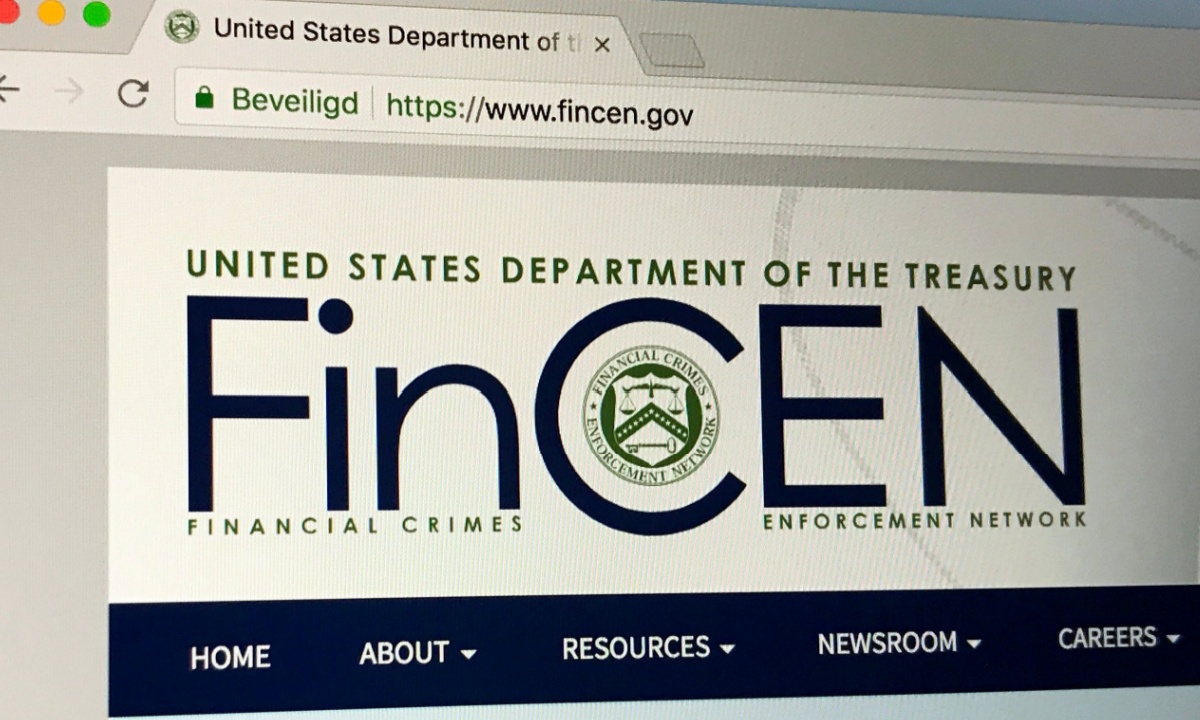
FinCEN just hit banks with a proposed AML rewrite — ditching rigid checkboxes for risk-focused scrutiny. But does this fix the system's bloat, or is it more regulator theater?
Banks desperate for deposits get a shiny new tool from Personetics and Atomic. Promise of smoothly switching sounds great—until you ask who's really cashing in.